
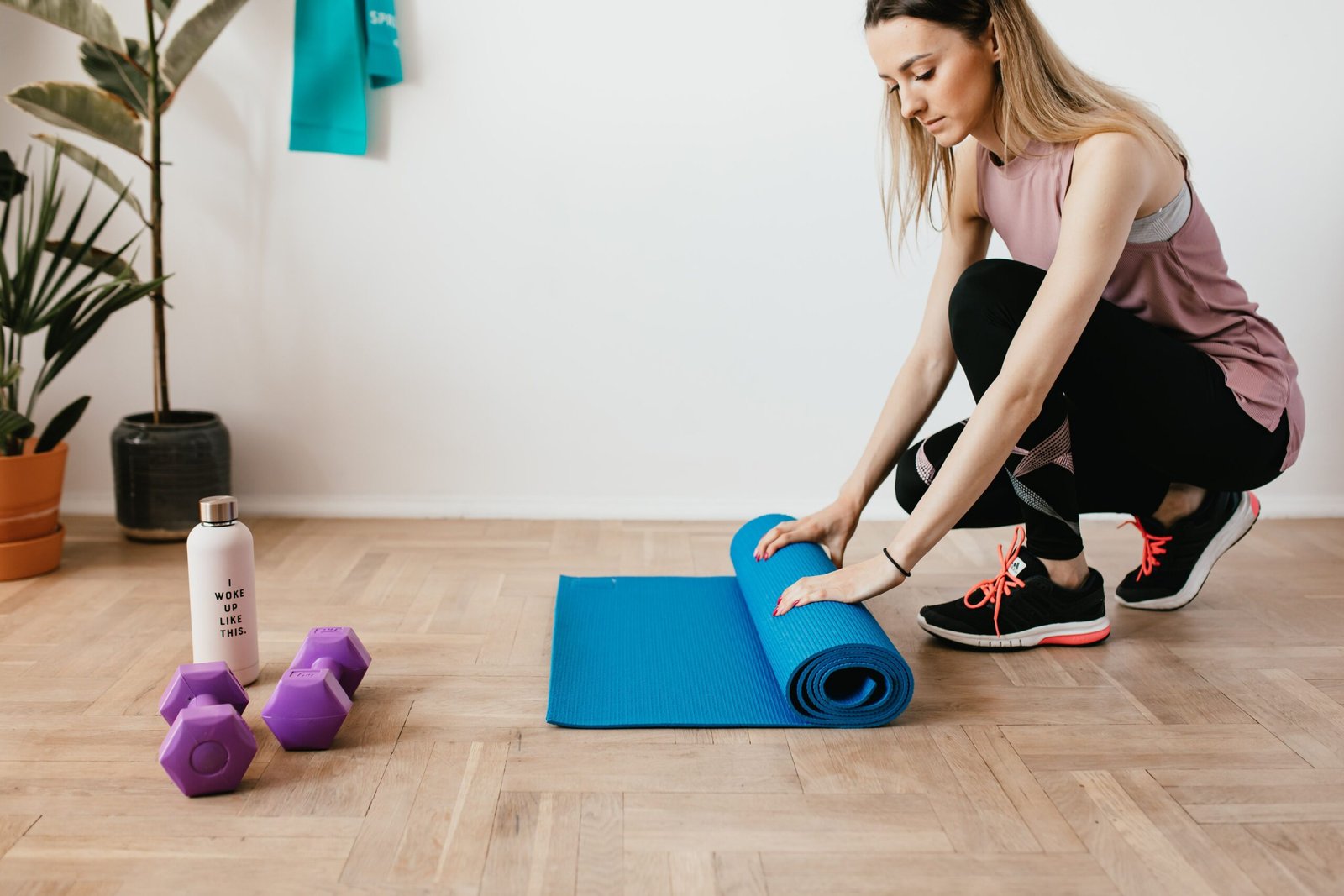
Building a home gym does not have to be expensive. You do not need costly fitness machines, professional gym equipment, or a large workout room to achieve your fitness goals. With the right planning, affordable equipment, and a little creativity, you can create an effective home gym without spending too much money.
Whether your goal is to lose weight, build muscle, improve cardiovascular fitness, or maintain a healthy lifestyle, exercising at home can be a convenient and affordable solution.
One of the biggest advantages of having a home gym is that you can work out whenever you want. You do not have to worry about monthly gym memberships, travelling to fitness centers, or waiting for other people to finish using equipment.
However, beginners often make the mistake of purchasing too much equipment at once. They spend money on expensive machines and accessories that they may rarely use.
The smarter approach is to start with essential, versatile, and affordable fitness equipment. You can gradually upgrade your home gym as your strength, experience, and fitness goals develop.
In this guide, we will explain how to build a home gym on a budget, which equipment to purchase first, how to save money, and how to create an effective workout routine using affordable fitness tools.
1. Choose the Right Space for Your Home Gym
The first step in building a budget-friendly home gym is finding a suitable workout area.
You do not need an entire room. A small corner of your bedroom, living room, garage, or spare room can be enough for basic exercises.
Before purchasing equipment, consider how much space you have available.
Things to consider when selecting your workout area:
- Choose a clean and well-ventilated space.
- Make sure there is enough room to move comfortably.
- Select a flat and stable floor.
- Keep the area free from unnecessary furniture.
- Ensure sufficient lighting.
- Choose a location where you can exercise without frequent interruptions.
For beginners, approximately 20–40 square feet can be sufficient for many basic home workouts, depending on the exercises and equipment involved.
If you live in a small apartment, prioritize compact and foldable equipment.
2. Set a Realistic Home Gym Budget
Before buying fitness equipment, decide how much money you can comfortably spend.
A budget helps you avoid unnecessary purchases and makes it easier to prioritize essential items.
You do not need to purchase every piece of equipment immediately. Start with a basic setup and expand it over time.
Here is an example of how you can divide your home gym budget.
| Equipment category | Budget allocation |
|---|---|
| Basic strength equipment | 40% |
| Cardio equipment | 20% |
| Workout mat and accessories | 15% |
| Storage and organization | 10% |
| Future upgrades | 15% |
These percentages are an example rather than fixed spending requirements.
For example, if you have a budget of $200, you could spend most of it on adjustable dumbbells, resistance bands, and an exercise mat instead of purchasing an expensive treadmill.
The key is to spend money on equipment that provides multiple workout options.
3. Start with Essential Budget-Friendly Gym Equipment
You do not need expensive machines to perform effective strength and cardio workouts.
The following equipment items are affordable, versatile, and suitable for beginners.
1. Resistance Bands
Resistance bands are among the best budget-friendly fitness products for a home gym.
They are lightweight, easy to store, and suitable for many strength-training exercises.
Unlike traditional weights, resistance bands provide elastic resistance that increases as the band stretches.
Benefits of resistance bands:
- Affordable and easy to purchase.
- Require very little storage space.
- Suitable for upper-body and lower-body exercises.
- Support strength and mobility training.
- Available in different resistance levels.
Exercises you can perform:
- Banded squats.
- Glute bridges.
- Bicep curls.
- Standing rows.
- Shoulder exercises.
- Lateral band walks.
For beginners, a set containing different resistance levels is a practical investment.
2. Adjustable Dumbbells
Adjustable dumbbells are an excellent investment if you want to build muscle at home.
Instead of purchasing several pairs of traditional dumbbells, you can change the weight according to your exercise requirements.
They support a wide range of strength-training movements.
Benefits:
- Save space compared with multiple fixed-weight pairs.
- Support full-body strength training.
- Allow gradual increases in resistance.
- Suitable for beginners and experienced users.
- Provide multiple exercise options.
Popular exercises:
- Dumbbell curls.
- Shoulder presses.
- Goblet squats.
- Dumbbell rows.
- Lunges.
- Floor chest presses.
If adjustable dumbbells are outside your budget, consider purchasing a pair of fixed-weight dumbbells and adding heavier weights later.
3. Exercise or Yoga Mat
An exercise mat is another affordable essential for a home workout space.
It provides cushioning and comfort during floor exercises, stretching, yoga, and abdominal workouts.
Benefits:
- Provides a comfortable workout surface.
- Helps improve grip and stability.
- Supports stretching and mobility.
- Makes floor exercises more comfortable.
- Easy to roll up and store.
Look for a durable, non-slip mat that is easy to clean.
4. Jump Rope
A jump rope is one of the cheapest ways to add cardio exercise to your home gym.
Skipping can improve cardiovascular endurance, coordination, and balance.
Benefits:
- Affordable cardio equipment.
- Requires minimal storage space.
- Supports calorie-burning workouts.
- Improves coordination.
- Can be used indoors or outdoors when space permits.
Start with short skipping intervals and gradually increase your workout duration.
5. Kettlebell
A kettlebell is a versatile piece of strength-training equipment.
It can be used for squats, deadlifts, rows, carries, and other functional exercises.
Benefits:
- Supports full-body training.
- Helps develop grip strength.
- Improves muscular endurance.
- Offers multiple exercise variations.
- Requires relatively little storage space.
You do not need a large collection. One appropriately weighted kettlebell can be a useful addition to a beginner home gym.
4. Use Bodyweight Exercises to Save Money
One of the best ways to save money when building a home gym is to use your own body weight as resistance.
Many effective exercises require no equipment at all.
Bodyweight training can help improve strength, balance, coordination, and muscular endurance.
Best bodyweight exercises for beginners:
| Exercise | Main muscles targeted |
|---|---|
| Push-ups | Chest, shoulders, triceps |
| Squats | Quadriceps, glutes |
| Lunges | Legs and glutes |
| Planks | Core muscles |
| Glute bridges | Glutes and hamstrings |
| Mountain climbers | Core and legs |
| Wall sits | Quadriceps |
If standard push-ups are too difficult, start with wall push-ups or incline push-ups.
You can also make exercises more challenging by gradually increasing repetitions, improving technique, or using more difficult variations.
Using bodyweight exercises reduces the amount of equipment you need to purchase.
5. Build a Budget-Friendly Cardio Setup
Cardiovascular exercise is important for heart health, endurance, and overall fitness.
However, you do not need an expensive treadmill to perform cardio workouts at home.
There are several affordable alternatives.
Budget-friendly cardio options:
- Jump rope.
- Walking outdoors.
- Walking in place.
- Stair climbing where safe.
- Bodyweight circuits.
- Dancing workouts.
- Beginner cardio exercise videos.
If you have additional money to spend, you can consider purchasing a basic stationary bike.
A treadmill or premium exercise bike can be a future upgrade rather than an essential first purchase.
For beginners, combining walking, bodyweight exercises, and short cardio sessions can provide a useful starting routine.
6. Buy Second-Hand Gym Equipment
Buying second-hand fitness equipment can help reduce your home gym expenses.
Many people sell gym equipment that is still in good condition because they are moving, upgrading their workout setup, or no longer exercising.
You may find affordable equipment through:
- Facebook Marketplace.
- Local online classifieds.
- Community selling groups.
- Used fitness equipment stores.
- Friends and family.
Equipment worth considering second-hand:
- Dumbbells.
- Weight plates.
- Kettlebells.
- Exercise benches.
- Stationary bikes.
- Basic weight racks.
However, safety should always come first.
Before purchasing used equipment, inspect it carefully.
Check for:
- Cracks or damaged components.
- Rust and corrosion.
- Loose screws and bolts.
- Unstable frames.
- Damaged cables.
- Faulty adjustment mechanisms.
Avoid purchasing damaged or poorly maintained equipment, particularly machines that involve electrical components or heavy moving parts.
7. Make Your Own Home Gym More Organized
A clean and organized workout space makes exercising more convenient.
You do not need expensive gym storage systems to keep your equipment organized.
Try these affordable ideas:
- Use a small shelf for accessories.
- Store resistance bands in a drawer.
- Keep dumbbells on a stable floor mat.
- Use wall hooks for suitable lightweight accessories.
- Roll up your exercise mat after workouts.
- Keep towels and water bottles in one place.
If you have limited space, foldable equipment and multi-purpose storage containers can help keep your home gym tidy.
Always store heavy equipment securely to prevent accidental falls.
8. Avoid These Expensive Home Gym Mistakes
Many beginners spend more money than necessary when building a home gym.
Avoiding common mistakes can help you stay within your budget.
1. Buying too much equipment
Do not purchase ten different fitness products before establishing a workout routine. Start with a few versatile items.
2. Purchasing expensive machines too early
Treadmills, rowing machines, and multi-gym systems can be useful, but they are not essential for beginners.
3. Ignoring available space
Large equipment may make your home gym uncomfortable or difficult to use. Measure your workout area before purchasing.
4. Choosing the cheapest products without checking quality
Low prices are attractive, but poor-quality equipment may break easily or create safety risks.
5. Following unrealistic workout plans
Starting with overly difficult workouts can lead to excessive fatigue and reduce motivation.
6. Forgetting maintenance
Clean your equipment regularly and inspect it for damage.
9. Example Budget Home Gym Setup
Here is a practical example of a basic home gym setup.
| Equipment | Purpose | Priority |
|---|---|---|
| Resistance bands | Strength and mobility | Essential |
| Exercise mat | Floor workouts | Essential |
| Fixed or adjustable dumbbells | Muscle building | Essential |
| Jump rope | Cardio | Essential |
| Kettlebell | Functional strength | Optional |
| Exercise bench | Additional strength exercises | Upgrade |
| Stationary bike | Indoor cardio | Upgrade |
| Treadmill | Walking and running | Upgrade |
You can begin with just three or four items and add equipment when your budget allows.
For shoppers in Pakistan, compare prices at local sports stores and online marketplaces. Imported fitness equipment may cost more because of shipping and import charges, so locally available alternatives can offer better value.
10. Create a Weekly Home Workout Routine
Having equipment is only the beginning. To get results, you need a consistent workout schedule.
Here is a beginner-friendly weekly routine that requires minimal equipment.
- DayWorkoutEquipmentMondayFull-body strengthDumbbells, matTuesdayCardioJump rope or walkingWednesdayLower-body workoutResistance bandsThursdayRest and stretchingExercise matFridayUpper-body workoutDumbbells, bandsSaturdayLight cardio and coreMat, jump ropeSundayRestNoneBeginner workout example:
- 10 bodyweight squats.
- 8 incline push-ups.
- 12 glute bridges.
- 10 resistance band rows.
- 20-second plank.
- Exercise mat.
- Resistance bands.
- Jump rope.
- Fixed-weight dumbbells.
- Adjustable dumbbells.
- Kettlebell.
- Pull-up bar.
- Adjustable weight bench.
- Stationary exercise bike.
- Treadmill.
- Weight rack.
- Barbell and weight plates.



Leave a Reply