

Introduction
Building muscle is one of the most important goals for people who want to improve their physical fitness, strength, and overall health. Whether someone is a beginner at the gym, an athlete, or simply interested in developing a stronger body, proper nutrition plays a major role in muscle growth.
Many people believe that lifting heavy weights is enough to build muscles. However, exercise alone cannot provide the best results. The body also needs the right nutrients, sufficient calories, proper hydration, and enough rest to repair and develop muscle tissue.
A balanced muscle-gain diet should include protein, carbohydrates, healthy fats, vitamins, and minerals. Protein helps repair and build muscles, carbohydrates provide energy for workouts, and healthy fats support hormone production and general health.
The best diet plan for muscle gain is not necessarily expensive or complicated. Simple foods such as eggs, chicken, milk, yogurt, rice, oats, lentils, beans, fruits, and vegetables can provide the nutrients needed for muscle development.
The key to successful muscle gain is combining a nutritious diet with consistent strength training, sufficient sleep, and patience.
1. Importance of Nutrition for Muscle Gain
Nutrition is essential for building and maintaining muscle mass. During strength training, muscle fibres experience stress and small amounts of damage. The body repairs these fibres, helping them become stronger and larger over time.
For this process, the body needs adequate nutrients.
The three main macronutrients are:
- Protein: Supports muscle repair and growth.
- Carbohydrates: Provide energy for exercise and recovery.
- Healthy fats: Support hormone production and overall health.
A person who exercises regularly but does not eat enough may struggle to gain muscle.
Therefore, a muscle-building diet should provide enough calories and nutrients to support training and recovery.
2. Protein-Rich Foods for Muscle Growth
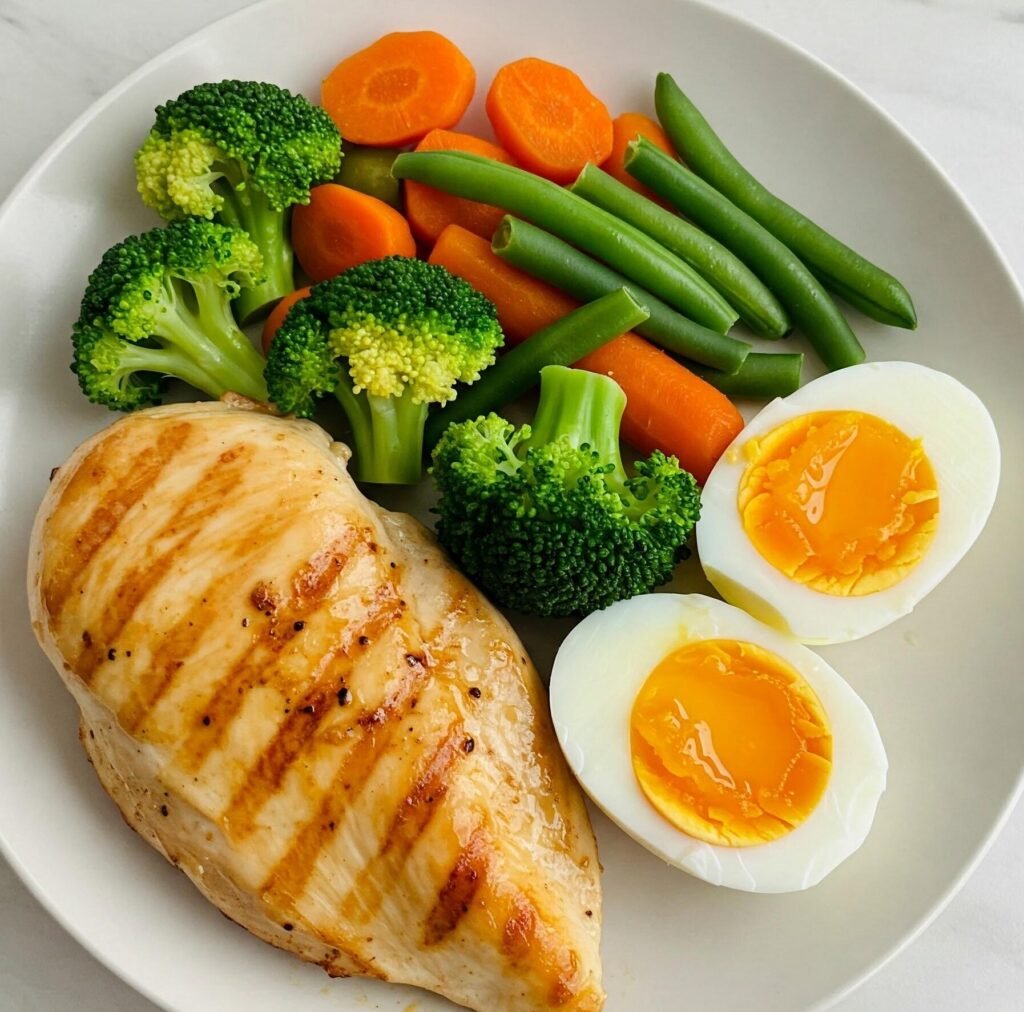
Protein is one of the most important nutrients for muscle development. It contains amino acids, which are the building blocks of muscle tissue.
People who perform regular strength training generally benefit from consuming approximately 1.4–2.0 grams of protein per kilogram of body weight daily.
For example, a person weighing 70 kg may aim for approximately 98–140 grams of protein per day.
Best Protein Sources
- Eggs: Affordable and rich in high-quality protein.
- Chicken: A good source of lean protein.
- Fish: Provides protein and, in some varieties, healthy omega-3 fats.
- Milk: Contains protein, calcium, and other nutrients.
- Yogurt: Provides protein and supports digestive health.
- Lentils: An affordable plant-based protein source.
- Chickpeas: Provide protein, fibre, and carbohydrates.
- Beans: Contain protein and important minerals.
- Paneer: Provides protein and calcium.
- Soybeans: Offer plant-based protein.
Including different protein sources throughout the day helps provide the amino acids needed by the body.
3. Carbohydrates for Energy
Carbohydrates are an important energy source for people who perform regular workouts.
During exercise, the body uses stored carbohydrates called glycogen to provide energy. Eating enough carbohydrates helps support training performance and recovery.
Best Carbohydrate Sources
- Oats.
- Brown or white rice.
- Whole-wheat bread.
- Potatoes.
- Sweet potatoes.
- Bananas.
- Apples.
- Whole grains.
- Beans.
- Other fruits.
Carbohydrates should not be avoided when trying to build muscle. Instead, choose nutritious carbohydrate sources and consume appropriate portions according to your activity level.
4. Healthy Fats for Overall Health
Healthy fats are important for hormone production, cell function, and the absorption of certain vitamins.
They also provide concentrated energy.
Best Sources of Healthy Fats
- Almonds.
- Walnuts.
- Peanuts.
- Peanut butter.
- Olive oil.
- Seeds.
- Avocados.
- Fatty fish.
Although fats are beneficial, they should be consumed in appropriate quantities because they contain more calories per gram than protein and carbohydrates.
5. Best Diet Plan for Muscle Gain
Morning: Breakfast (7:00–8:00 AM)
- 3 whole eggs.
- 2 slices of whole-wheat bread.
- 1 glass of milk.
- 1 banana.
Benefits: Provides protein, carbohydrates, healthy fats, and energy to start the day.
Mid-Morning Snack (10:00–11:00 AM)
- 1 bowl of yogurt.
- A handful of almonds or peanuts.
- 1 seasonal fruit.
Benefits: Provides protein, healthy fats, vitamins, and minerals.
Lunch (1:00–2:00 PM)
- 150 grams of cooked chicken.
- 1–1.5 cups of cooked rice.
- 1 bowl of vegetables.
- 1 bowl of salad.
- Yogurt if desired.
Benefits: Provides protein for muscle repair and carbohydrates for energy.
Pre-Workout Meal (4:00–5:00 PM)
- 1 banana.
- 2 slices of bread with peanut butter, or a small bowl of oats.
- Water.
Benefits: Provides carbohydrates to support workout performance.
Post-Workout Meal (6:00–7:00 PM)
- 1 glass of milk.
- 2 boiled eggs or a serving of yogurt.
- 1 banana or another fruit if needed.
Benefits: Provides protein and carbohydrates to support recovery.
Dinner (8:00–9:00 PM)
- 150 grams of fish or chicken, or an appropriate portion of paneer.
- 2 whole-wheat chapatis or a serving of rice.
- Cooked vegetables.
- Fresh salad.
Benefits: Provides protein, carbohydrates, fibre, and essential nutrients.
Before Bed (Optional)
– 1 glass of milk or a small bowl of yogurt.
Benefits: Provides additional protein and nutrients.
This is a sample meal structure, not a fixed calorie prescription. Portions should be adjusted according to body weight, appetite, training intensity, and individual calorie needs.
6. Important Vitamins and Minerals
Vitamins and minerals support many functions related to muscle performance and general health.
Some particularly important nutrients include:
| Nutrient | Benefits | Food sources |
|---|---|---|
| Calcium | Supports bones and muscle function | Milk, yogurt, paneer |
| Vitamin D | Supports bone and muscle function | Fortified foods, eggs, sunlight exposure |
| Iron | Helps transport oxygen | Meat, lentils, spinach |
| Magnesium | Supports normal muscle and nerve function | Nuts, seeds, whole grains |
| Potassium | Supports muscle and nerve function | Bananas, potatoes, beans |
| Zinc | Supports normal growth and recovery | Meat, seeds, legumes |
Eating a variety of nutritious foods helps provide these essential nutrients.
7. Importance of Water and Hydration
Water is essential for muscle function, temperature regulation, digestion, and exercise performance.
Dehydration can reduce physical performance and make workouts more difficult.
To maintain proper hydration:
- Drink water regularly throughout the day.
- Drink water before exercising.
- Take water during workouts.
- Replace fluids after exercise.
- Increase fluid intake when sweating heavily or exercising in hot weather.
In hot climates, including Karachi, hydration deserves particular attention, especially during outdoor workouts and summer months.
8. Foods to Limit During Muscle Gain
Building muscle does not mean that you must completely avoid your favourite foods. However, some foods should be limited because they may provide excessive calories with relatively few useful nutrients.
Examples include:
- Excessive sugary drinks.
- Frequent fast food.
- Deep-fried snacks.
- Excessive sweets.
- Highly processed foods.
- Excessive added sugar.
The main goal should be to obtain most of your calories from nutritious foods while maintaining a balanced and sustainable diet.
9. Importance of Exercise and Strength Training

Diet alone cannot build maximum muscle mass. It must be combined with resistance training.
Useful muscle-building exercises include:
- Squats.
- Push-ups.
- Bench presses.
- Pull-ups.
- Rows.
- Lunges.
- Deadlifts.
- Shoulder presses.
These exercises target different muscle groups and help develop strength.
Beginners should start with manageable weights, learn correct exercise techniques, and gradually increase resistance.
Training each major muscle group regularly while allowing adequate recovery is important.
10. Importance of Sleep and Recovery
Muscle growth does not happen only during workouts. Recovery is also essential.
During sleep, the body performs important repair and recovery processes.
Most adults should aim for 7–9 hours of sleep each night.
Good recovery habits include:
- Maintaining a regular sleeping schedule.
- Allowing muscles to recover between demanding workouts.
- Eating sufficient protein and calories.
- Drinking enough water.
- Avoiding excessive training.
- Managing daily stress.
Without adequate recovery, workout performance and progress may suffer.
11. Supplements for Muscle Gain
Supplements are optional. Most people can meet their nutritional requirements through a balanced diet.
However, some supplements may be useful when dietary needs are difficult to meet.
- Whey protein: A convenient way to increase daily protein intake.
- Creatine monohydrate: One of the most researched supplements for improving strength and high-intensity exercise performance.
- Vitamin D: May be useful when a deficiency is identified.
- Omega-3: Can help people who do not regularly consume fish meet their omega-3 needs.
Supplements should not replace nutritious meals. Choose reputable products, and consult a healthcare professional before using supplements if you have a medical condition or take medication.
12. Tips for Successful Muscle Gain
- Eat enough calories to support gradual muscle growth.
- Consume protein throughout the day.
- Include carbohydrates in your meals.
- Perform strength training consistently.
- Drink sufficient water.
- Get adequate sleep.
- Increase training resistance gradually.
- Avoid extreme diets.
- Track your strength and progress.
- Be patient and consistent.
A modest calorie surplus is generally a good starting point for gaining muscle while limiting unnecessary fat gain.
Conclusion
The best diet plan for muscle gain is one that provides sufficient protein, carbohydrates, healthy fats, vitamins, minerals, and calories. Foods such as eggs, chicken, fish, milk, yogurt, rice, oats, lentils, beans, fruits, and vegetables can form the foundation of an effective muscle-building diet.
However, proper nutrition is only one part of the process. Regular strength training, sufficient hydration, quality sleep, and adequate recovery are equally important.
Muscle growth takes time and requires patience. Avoid unrealistic promises and focus on developing healthy eating and exercise habits that you can maintain.
Remember: Eat well, train consistently, sleep properly, and give your body time to grow stronger.




Leave a Reply