
- You Will Never Gain WeightIntroductionGoing to the gym is an excellent way to improve physical fitness, build muscle, increase strength, and maintain a healthy body. However, spending hours exercising does not guarantee good results. Your diet plays an equally important role in determining how your body responds to exercise.Many people work hard in the gym but struggle to gain muscle or maintain a healthy weight because they do not pay enough attention to their eating habits. Some foods provide very little nutritional value, while others can cause digestive discomfort, reduce workout performance, or make it difficult to meet your nutritional needs.If your goal is to build muscle, gain weight, and develop a stronger body, you should understand which foods to limit and which nutritious alternatives to choose.It is important to remember that no single food automatically prevents muscle growth or causes weight loss. Your overall calorie intake, protein consumption, exercise routine, recovery, and consistency determine your results.Here are seven types of food you should limit if you regularly go to the gym and want to achieve better fitness results.1. Sugary Drinks and Soft Drinks
Soft drinks, energy drinks with added sugar, and packaged sweetened beverages are among the first things gym-goers should limit.These drinks often contain large amounts of added sugar but provide very little protein, fibre, or other essential nutrients.Drinking them regularly may increase your calorie intake without providing the nutrition needed for muscle recovery.Why should you limit them?
- They provide calories without much nutritional value.Excessive added sugar can contribute to poor dietary quality.They do not provide the protein needed for muscle development.They can replace more nutritious beverages.
- Plain water.Milk.Unsweetened yogurt drinks.Homemade fruit smoothies without excessive added sugar.
Deep-fried foods such as French fries, fried chicken, samosas, and pakoras are popular, but eating them frequently may make it harder to maintain a balanced diet.These foods can contain considerable amounts of fat and calories. Depending on the cooking method, they may also contain excessive salt.Although calories are necessary for gaining weight, relying heavily on fried foods is not the healthiest way to increase calorie intake.Why should you limit them?
- They may contain excessive calories.They can be high in unhealthy fats.Large portions may cause digestive discomfort.They provide less nutritional value than many balanced meals.
- Grilled chicken.Oven-baked potatoes.Homemade sandwiches.Grilled fish.Homemade meals prepared with moderate amounts of healthy oil.
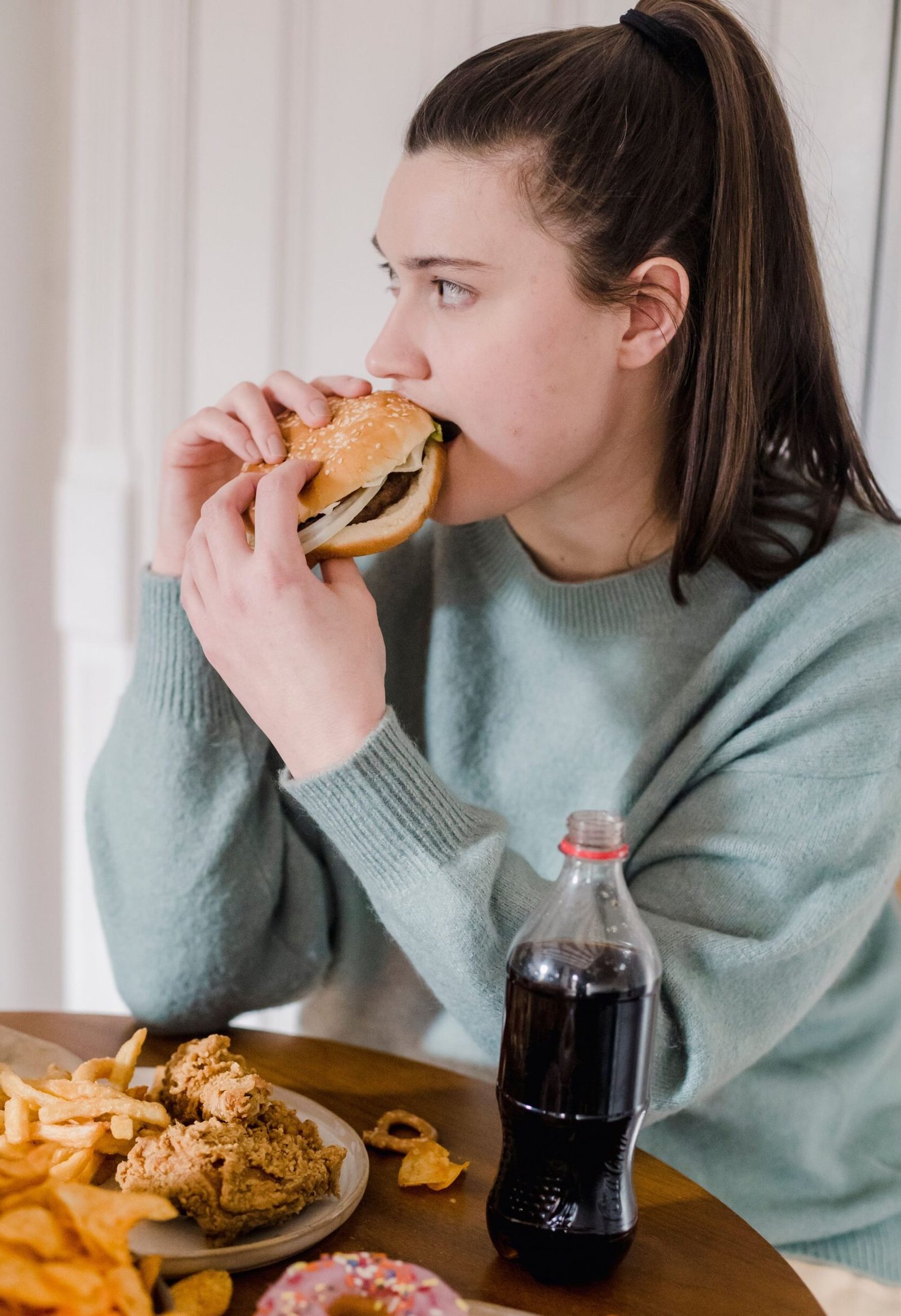
Burgers, pizzas, packaged snacks, and other fast foods are convenient, but frequently relying on them can affect the overall quality of your diet.Some fast foods contain protein and carbohydrates, but they may also contain excessive sodium, saturated fat, and calories.Eating these foods regularly instead of balanced meals may make it difficult to meet your nutritional requirements.Why should you limit them?
- They may contain excessive salt and saturated fat.They often provide insufficient fibre.Large portions can contribute to unwanted fat gain.They may replace nutrient-rich meals.
- Homemade chicken burgers.Whole-wheat sandwiches.Homemade vegetable pizza.Grilled chicken wraps.Rice with chicken and vegetables.
Sweet foods such as cakes, doughnuts, biscuits, chocolates, and pastries are often high in added sugar and calories.Eating too many of these foods can make it difficult to maintain a balanced diet.For people trying to gain muscle, sweets should not replace foods that provide protein, vitamins, minerals, and other important nutrients.Why should you limit them?
- Many contain large amounts of added sugar.They generally provide little protein.They may contribute to excessive calorie intake.They are often low in fibre and essential nutrients.
- Bananas.Dates.Homemade oatmeal.Greek yogurt with fruit.Peanut butter sandwiches.Homemade milk and banana smoothies.
Instant noodles are popular because they are inexpensive and easy to prepare. However, many varieties are high in sodium and relatively low in protein and fibre.Eating instant noodles frequently without adding nutritious ingredients may result in meals that do not provide enough nutrients for your fitness goals.Why should you limit them?
- Many varieties contain high amounts of sodium.They may be low in protein.They often contain limited fibre.They may not provide enough vitamins and minerals.
- Boiled eggs.Chicken.Vegetables.Beans.A moderate amount of healthy oil.
Alcohol can interfere with fitness goals, especially when consumed frequently or in large amounts.It provides calories but does not supply the essential nutrients needed for muscle development.Excessive alcohol consumption can also negatively affect sleep, hydration, exercise performance, and recovery.Why should you avoid or limit it?
- It can interfere with muscle recovery.It may reduce workout performance.It can disrupt sleep quality.It can contribute to dehydration.It may add unnecessary calories to your diet.
- Water.Milk.Unsweetened smoothies.Fresh fruit drinks without added sugar.Non-alcoholic beverages without excessive added sugar.
One of the biggest mistakes gym beginners make is not eating enough food.Some people spend considerable time exercising but skip breakfast, miss lunch, or eat very small portions because they are afraid of gaining body fat.However, building muscle requires adequate energy and protein.If you consistently consume fewer calories than your body needs, gaining weight and muscle can become difficult.Why is this a problem?
- Your body may not receive enough energy for exercise.Protein intake may be insufficient for muscle repair.Workout performance may decrease.Recovery may become more difficult.You may struggle to increase muscle mass.
- Eat regular, balanced meals.Include protein in each main meal.Add nutritious snacks between meals.Eat sufficient carbohydrates.Increase food portions gradually if you need to gain weight.
If you want to gain muscle and weight in a healthy way, include the following foods in your daily diet.FoodMain benefitEggsHigh-quality proteinChickenProtein for muscle repairMilkProtein and calciumOatsEnergy and fibreBananasCarbohydrates and potassiumRiceEnergy for workoutsPeanut butterCalories and healthy fatsYogurtProtein and calciumLentilsPlant-based proteinFishProtein and healthy fatsAlmondsHealthy fats and caloriesPotatoesCarbohydrates and potassiumThese foods are generally affordable and widely available, making them useful choices for people who train regularly.Sample Daily Diet Plan for Gym BeginnersHere is a simple example of a muscle-building meal routine.Daily gym diet schedule
Breakfast – 7:30 AM
- 3 eggs2 slices whole-wheat bread1 glass of milk1 banana
Morning snack – 10:30 AM
- 1 bowl yogurtA handful of almonds1 apple
Lunch – 1:30 PM
- Chicken or lentilsRice or chapatiVegetablesSalad
Pre-workout – 4:30 PM
- 1 bananaPeanut butter toastWater
Post-workout – 6:30 PM
- Milk or yogurtBoiled eggs or chicken
Dinner – 8:30 PM
- Fish, chicken, or paneer2 chapatis or riceCooked vegetables
- Eat enough protein: Aim for approximately 1.4–2.0 grams per kilogram of body weight daily if you regularly perform strength training.Maintain a calorie surplus: If your goal is weight gain, consume slightly more calories than your body uses.Train consistently: Follow a progressive resistance-training programme.Sleep properly: Aim for 7–9 hours of sleep if you are an adult.Stay hydrated: Drink sufficient water, especially during workouts and hot weather.
7 Foods You Should Never Eat If You Go to the Gym




Leave a Reply