
Creating a home gym is one of the best ways to start a fitness journey. Whether your goal is to lose weight, build muscle, improve flexibility, increase strength, or maintain a healthy lifestyle, having the right workout equipment at home can make exercising easier and more convenient.
For beginners, building a home gym does not mean spending thousands of dollars on expensive machines or filling an entire room with fitness equipment. You can start with a few affordable, versatile, and easy-to-use items that support a variety of exercises.
A well-equipped home gym allows you to work out whenever you want, avoid crowded fitness centers, save money on monthly memberships, and exercise comfortably in your own space.
However, choosing the right equipment can be confusing, especially if you are new to fitness. With so many options available, it is important to focus on equipment that offers multiple workout possibilities, fits your budget, and matches your fitness goals.
In this guide, we will explore the 10 essential home gym equipment items for beginners, explain their benefits, and discuss how to choose the best options for your home workout routine.
1. Adjustable Dumbbells
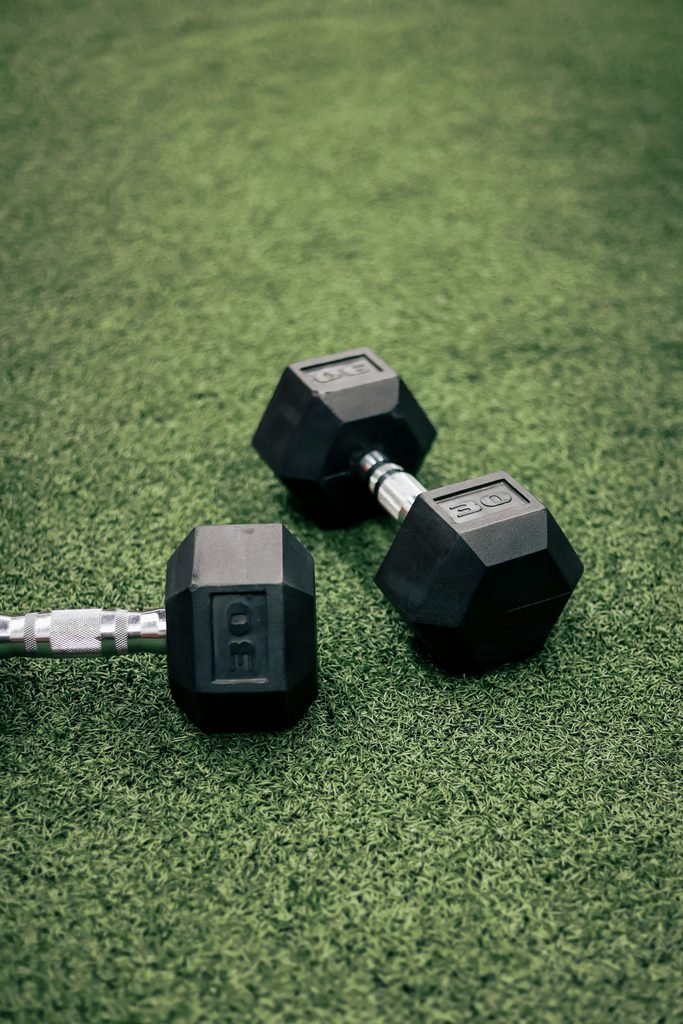
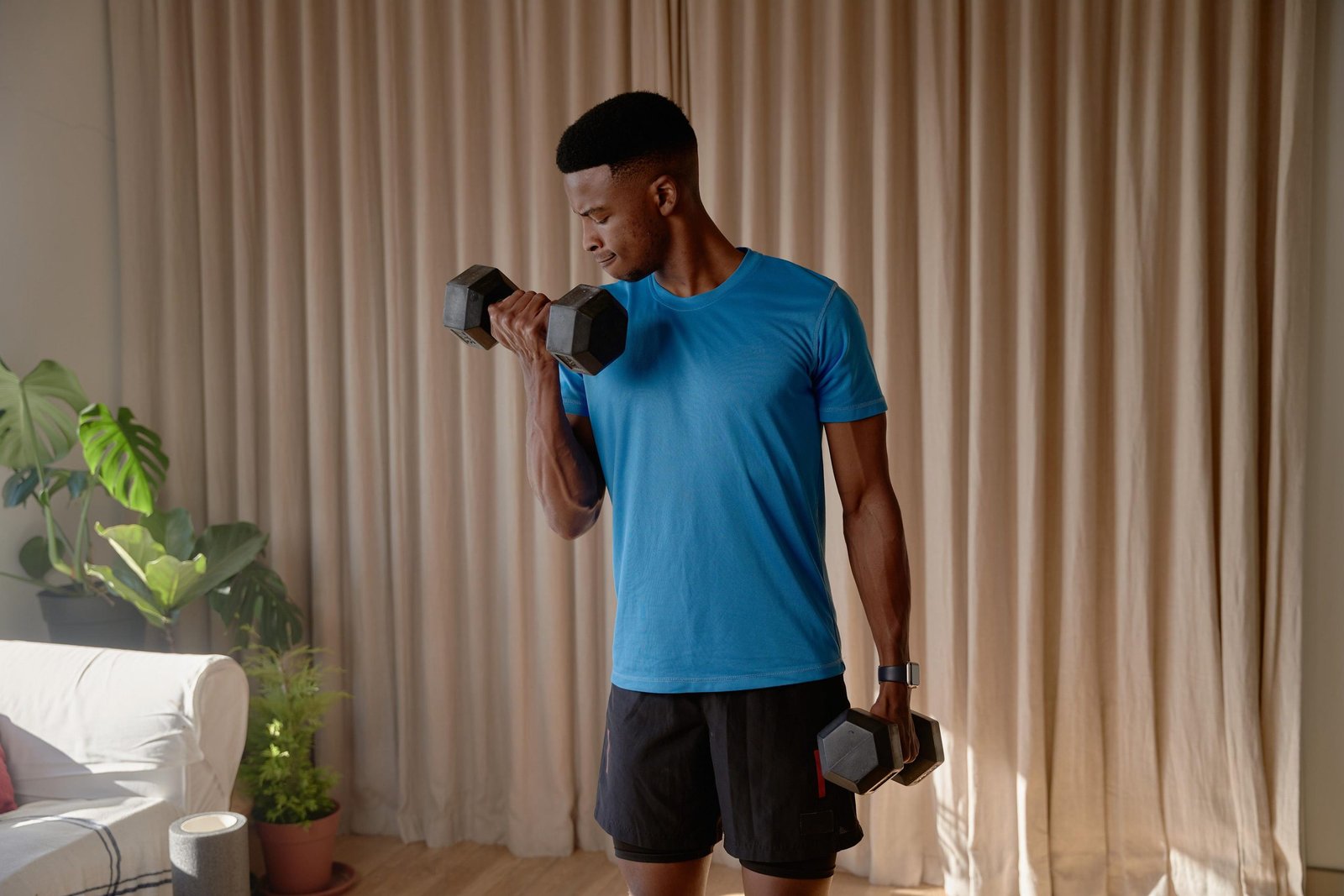
Adjustable dumbbells are one of the most useful pieces of equipment for a beginner home gym. They allow you to perform dozens of exercises without needing an entire rack of individual weights.
Unlike traditional dumbbells, adjustable dumbbells let you increase or decrease the weight according to your strength level and exercise requirements.
Benefits of adjustable dumbbells:
- Help build muscle and improve overall strength.
- Support upper-body and lower-body exercises.
- Save space compared with multiple fixed-weight dumbbells.
- Allow gradual increases in resistance as you become stronger.
- Work for beginners as well as experienced fitness enthusiasts.
Exercises you can perform:
- Bicep curls
- Shoulder presses
- Dumbbell squats
- Lunges
- Chest presses
- Bent-over rows
- Lateral raises
For beginners, choosing adjustable dumbbells with a comfortable grip and a manageable weight range is a smart investment. Start with lighter weights and gradually increase resistance as your technique and strength improve.
2. Resistance Bands
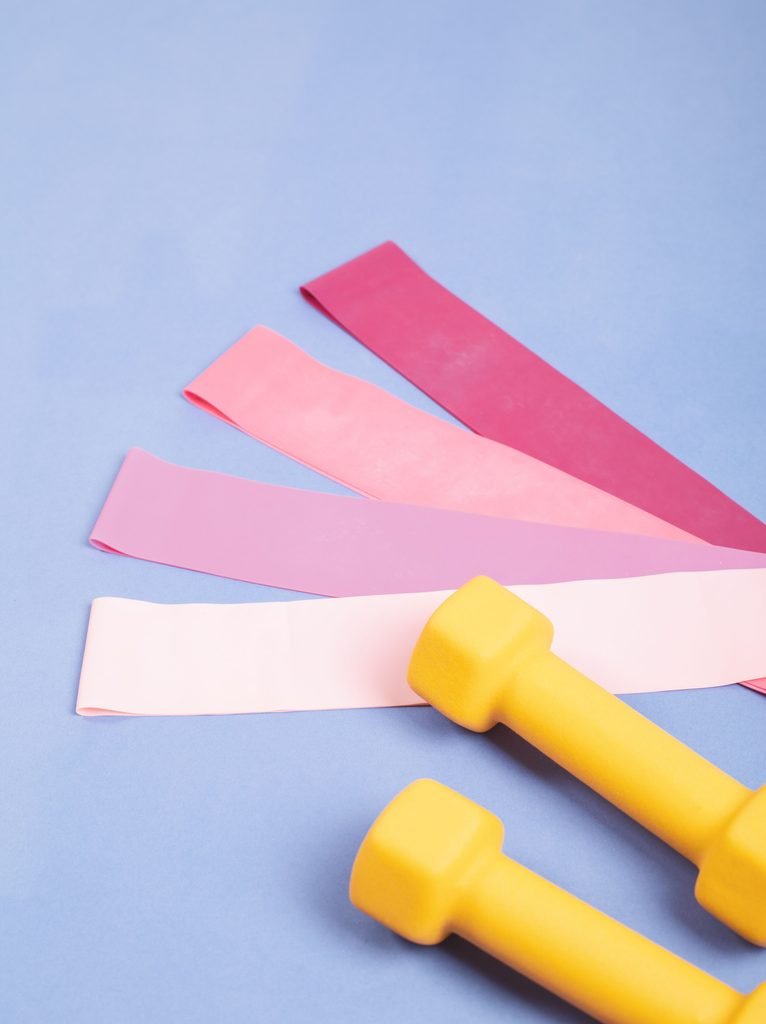
Resistance bands are affordable, lightweight, and extremely versatile workout tools. They are particularly useful for beginners who want to develop strength without purchasing heavy weights.
These elastic bands provide resistance during movement, helping activate and strengthen different muscle groups.
Resistance bands are available in different resistance levels, usually ranging from light to extra heavy. Beginners should start with light or medium resistance and gradually progress.
Benefits of resistance bands:
- Affordable and beginner-friendly.
- Easy to store and transport.
- Suitable for strength training and rehabilitation exercises.
- Help improve flexibility and mobility.
- Provide resistance for full-body workouts.
Popular resistance band exercises:
- Banded squats
- Glute bridges
- Standing rows
- Lateral band walks
- Bicep curls
- Shoulder external rotations
- Chest presses
Another advantage is that resistance bands take up very little space. You can store them in a drawer or gym bag when they are not being used.
If you are building a home gym on a limited budget, resistance bands should be among your first purchases.
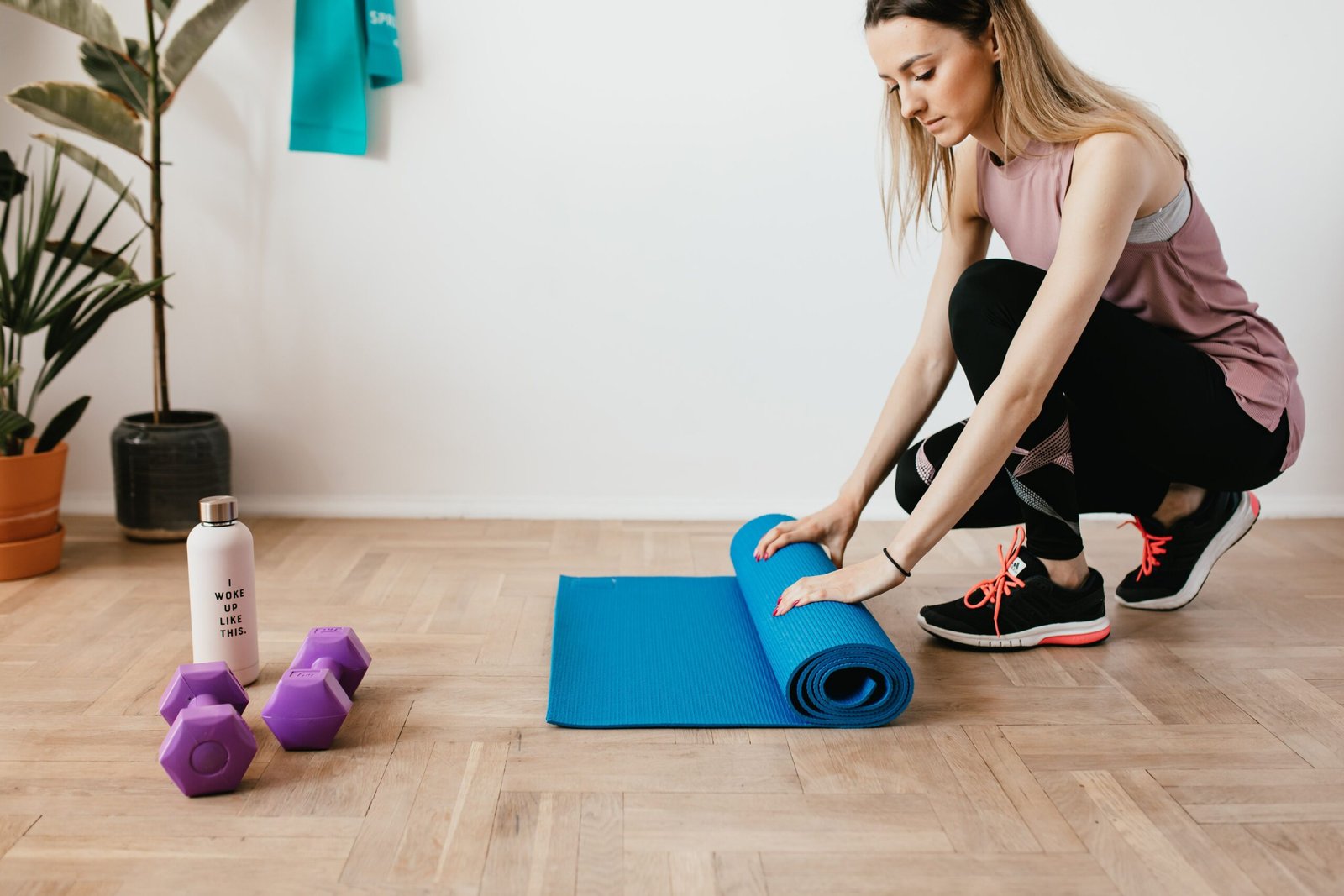
3. Yoga Mat or Exercise Mat
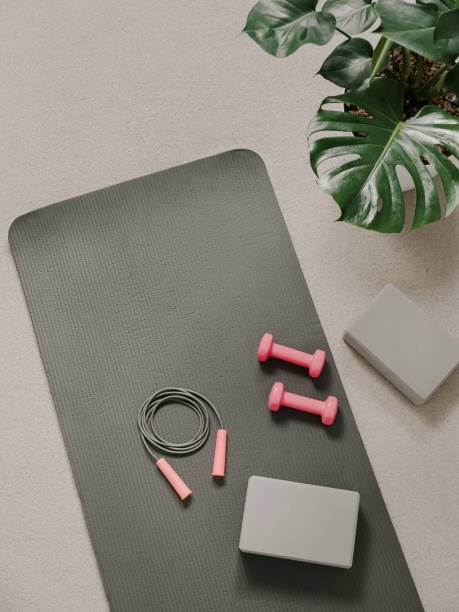
A yoga mat is an essential foundation for almost every home workout routine. It provides cushioning, stability, and comfort while performing floor-based exercises.
Whether you are doing yoga, stretching, abdominal exercises, or bodyweight training, an exercise mat helps create a dedicated workout surface.
Hard floors can be uncomfortable for your knees, elbows, wrists, and back during certain movements. A good-quality exercise mat offers additional cushioning and helps reduce discomfort.
Benefits of an exercise mat:
- Provides cushioning during floor exercises.
- Helps improve grip and stability.
- Supports yoga, stretching, and Pilates.
- Makes abdominal workouts more comfortable.
- Helps define your home workout area.
Exercises you can perform:
- Planks
- Crunches
- Push-ups
- Mountain climbers
- Leg raises
- Yoga poses
- Stretching routines
When purchasing a mat, look for a non-slip surface, suitable thickness, easy-to-clean material, and enough length for your body.
A thicker mat may provide extra cushioning, while a thinner, firmer mat can offer better stability for balance-focused exercises.
4. Jump Rope
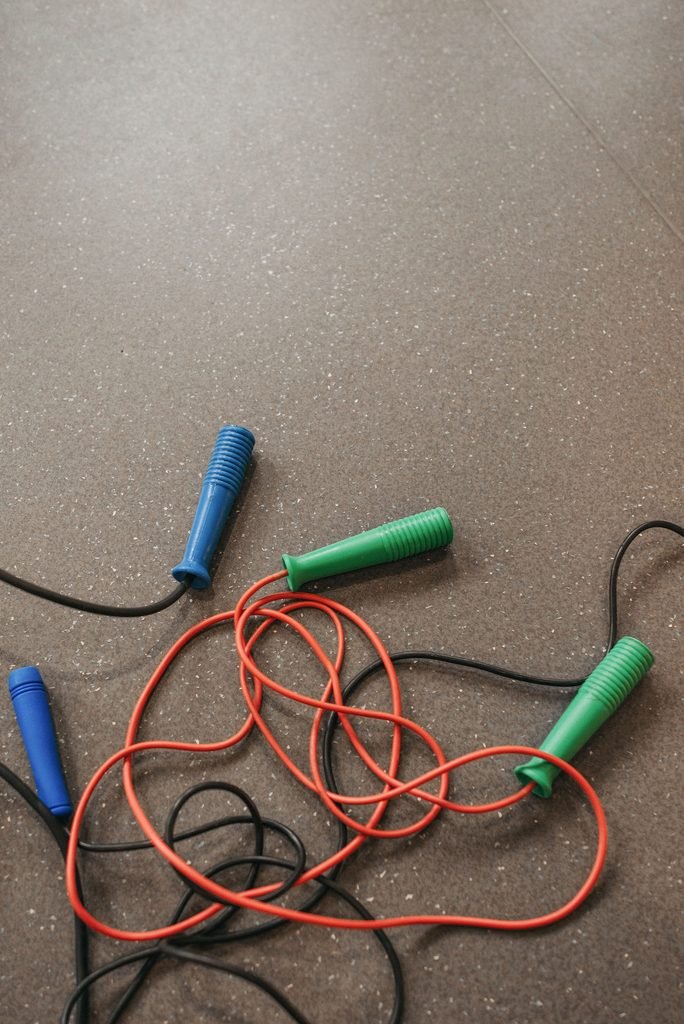
A jump rope is a simple yet powerful piece of cardio equipment. It helps improve cardiovascular endurance, coordination, balance, and overall fitness.
For beginners, skipping is an effective way to introduce cardio training without investing in a treadmill or stationary bicycle.
Jump ropes are also inexpensive and require very little storage space.
Benefits of a jump rope:
- Improves cardiovascular fitness.
- Helps develop coordination and balance.
- Supports calorie-burning workouts.
- Strengthens the calves and lower-body muscles.
- Can be used for short, high-intensity sessions.
Beginner jump rope routine:
- Start with 20 seconds of skipping.
- Rest for 40 seconds.
- Repeat for five rounds.
- Gradually increase your skipping time as your endurance improves.
If you are new to skipping, begin slowly and focus on proper technique. Use supportive athletic shoes and a suitable surface.
People with joint discomfort or balance difficulties may prefer low-impact cardio alternatives.
5. Kettlebell
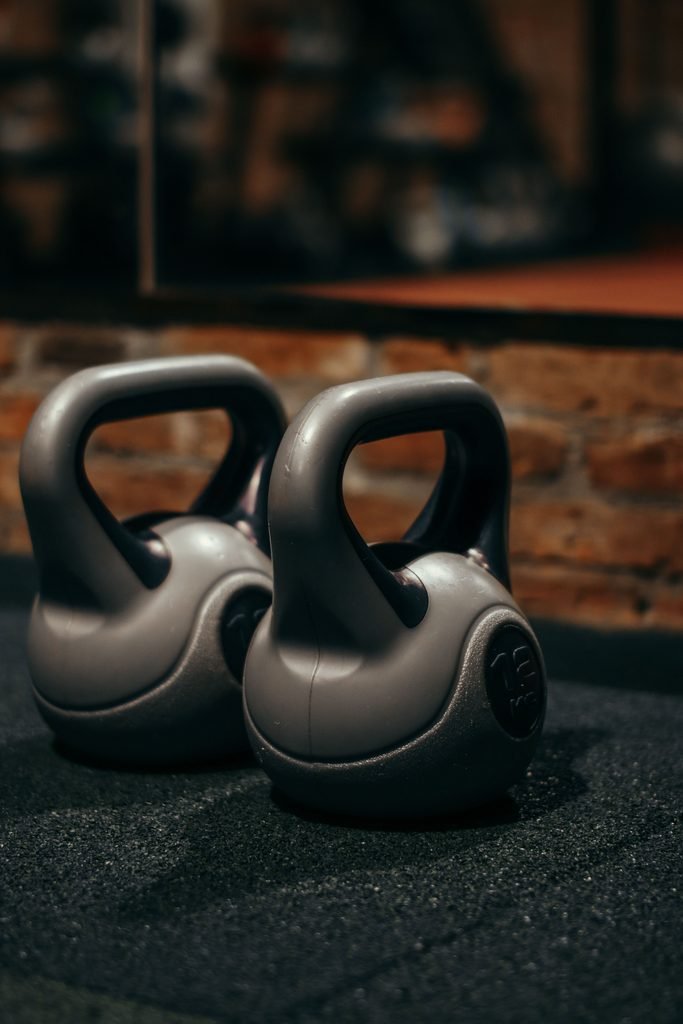
A kettlebell is another versatile piece of equipment that can help beginners develop strength, endurance, coordination, and functional fitness.
It has a rounded weight with a handle on top, making it suitable for dynamic movements and traditional strength exercises.
Kettlebells are especially useful because one piece of equipment can target several muscle groups simultaneously.
Benefits of kettlebells:
- Improve functional strength.
- Support full-body workouts.
- Develop grip strength.
- Improve muscular endurance.
- Help develop coordination and balance.
Popular kettlebell exercises:
- Kettlebell deadlifts
- Goblet squats
- Farmer’s carries
- Kettlebell rows
- Overhead presses
Kettlebell swings are also popular, but beginners should learn the correct hip-hinge technique before attempting them.
When purchasing your first kettlebell, choose a weight that allows you to maintain proper form throughout each exercise. Avoid starting with a weight that is too heavy.
6. Adjustable Weight Bench
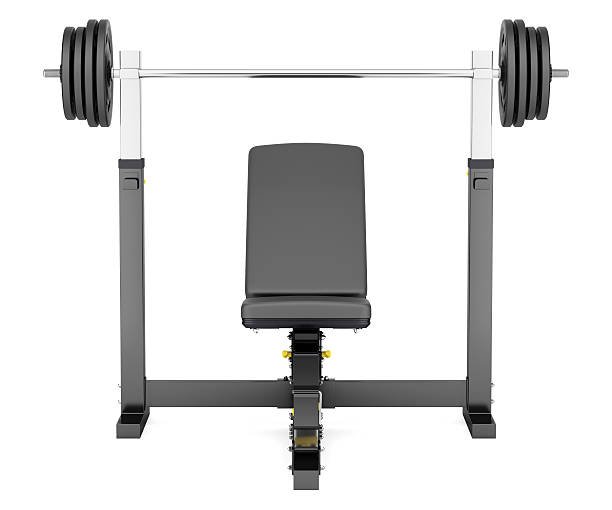
An adjustable weight bench can significantly expand the number of exercises you can perform at home.
It provides support during strength training and allows you to perform exercises from different angles.
Many adjustable benches can be positioned flat, inclined, or declined, making them useful for targeting different muscle groups.
Benefits of an adjustable weight bench:
- Supports chest and shoulder workouts.
- Provides stability during dumbbell exercises.
- Allows different exercise angles.
- Supports upper-body and core training.
- Helps create a more complete strength-training setup.
Exercises you can perform:
- Dumbbell bench presses
- Incline dumbbell presses
- Seated shoulder presses
- Dumbbell rows
- Step-ups
- Supported tricep exercises
Before purchasing a weight bench, check its maximum weight capacity, stability, padding quality, and adjustability.
For beginners with limited space, a foldable bench can be a practical choice.
Although it is not essential on the first day, an adjustable bench is a valuable upgrade once you become comfortable with basic dumbbell training.
7. Pull-Up Bar
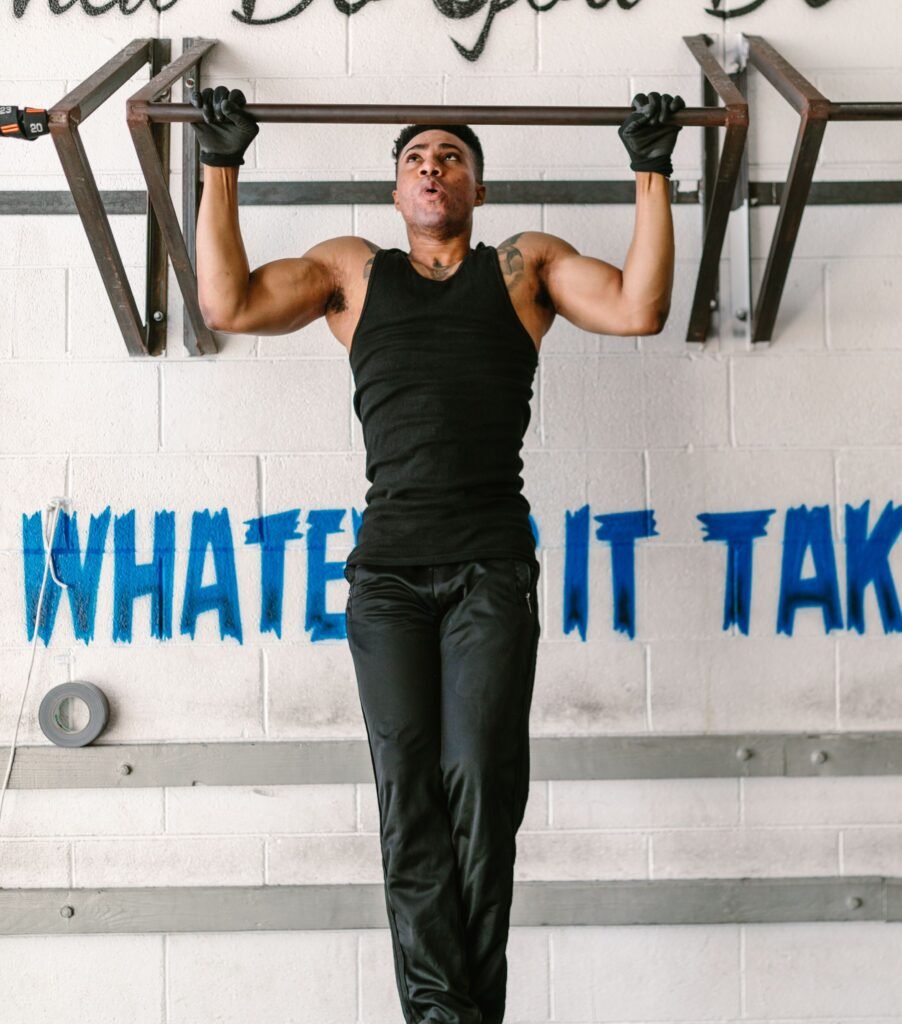
A pull-up bar is an excellent addition to a home gym for developing upper-body strength.
Pull-ups primarily target the back muscles, biceps, shoulders, and forearms. They also engage your core muscles to help stabilize your body.
Many beginners find traditional pull-ups challenging. However, you do not need to perform a complete pull-up immediately to benefit from this equipment.
You can begin with easier variations and gradually build strength.
Benefits of a pull-up bar:
- Develops upper-body strength.
- Strengthens back and arm muscles.
- Improves grip strength.
- Supports bodyweight training.
- Requires relatively little storage space.
Exercises you can perform:
- Assisted pull-ups
- Chin-ups
- Dead hangs
- Knee raises
- Scapular pull-ups
Some pull-up bars are designed for doorways, while others require wall or ceiling installation.
Always check the manufacturer’s installation instructions, weight limits, and compatibility with your doorway or mounting surface. Never use a bar that is unstable or improperly installed.
8. Foam Roller
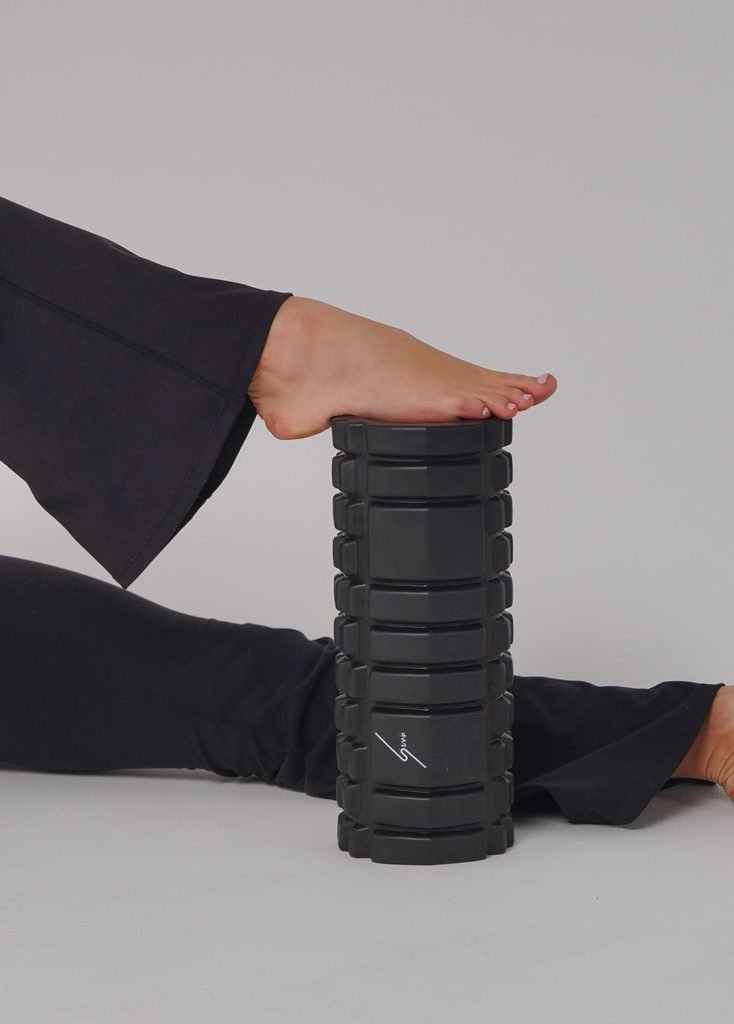
Recovery is just as important as exercise when building a consistent fitness routine. A foam roller is a useful tool for self-massage and post-workout recovery.
It uses your body weight and gentle rolling movements to apply pressure to different muscle groups.
Foam rolling can help temporarily reduce the sensation of muscle tightness and improve your range of motion.
Benefits of foam rolling:
- Helps relieve perceived muscle tightness.
- Supports mobility exercises.
- Can be used before or after workouts.
- Encourages relaxation.
- Is lightweight and easy to store.
Common areas for foam rolling:
- Upper back
- Calves
- Quadriceps
- Hamstrings
- Glutes
- Upper back and shoulders
Start with gentle pressure and avoid rolling directly over joints, bones, or injured areas.
A beginner-friendly foam roller with medium firmness is generally a good starting point.
9. Exercise Ball (Stability Ball)
An exercise ball, also known as a stability ball, is a useful addition to a beginner home gym.
It can be used for core strengthening, balance training, stretching, and certain strength exercises.
Because the ball creates an unstable surface, your body needs to engage additional stabilizing muscles to maintain balance during exercises.
Benefits of an exercise ball:
- Helps develop core strength.
- Supports balance and stability training.
- Adds variety to workouts.
- Can be used for stretching and mobility.
- Provides alternatives to traditional abdominal exercises.
Exercises you can perform:
- Stability ball crunches
- Wall squats
- Glute bridges
- Hamstring curls
- Seated balance exercises
- Back extensions
Choose an exercise ball that matches your height and can be properly inflated according to the manufacturer’s instructions.
Make sure you use it on a non-slip surface and begin with simple movements before attempting advanced exercises.
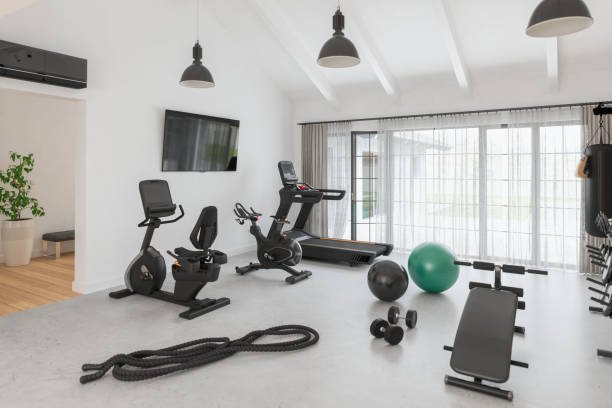
10. Treadmill or Stationary Exercise Bike
- Cardiovascular exercise plays an important role in maintaining overall health and improving endurance. A treadmill or stationary exercise bike is a convenient way to include cardio training in your home workout routine.Both machines offer different benefits, so your choice should depend on your preferences, available space, and fitness goals.Treadmill benefits:
- Supports walking, jogging, and running.
- Helps improve cardiovascular endurance.
- Allows you to control speed and incline.
- Offers convenient indoor workouts.
- Supports different fitness levels.
- Provides low-impact cardiovascular exercise.
- Supports endurance development.
- Offers adjustable resistance levels.
- Is suitable for many beginner workout routines.
- Often takes up less space than a treadmill.
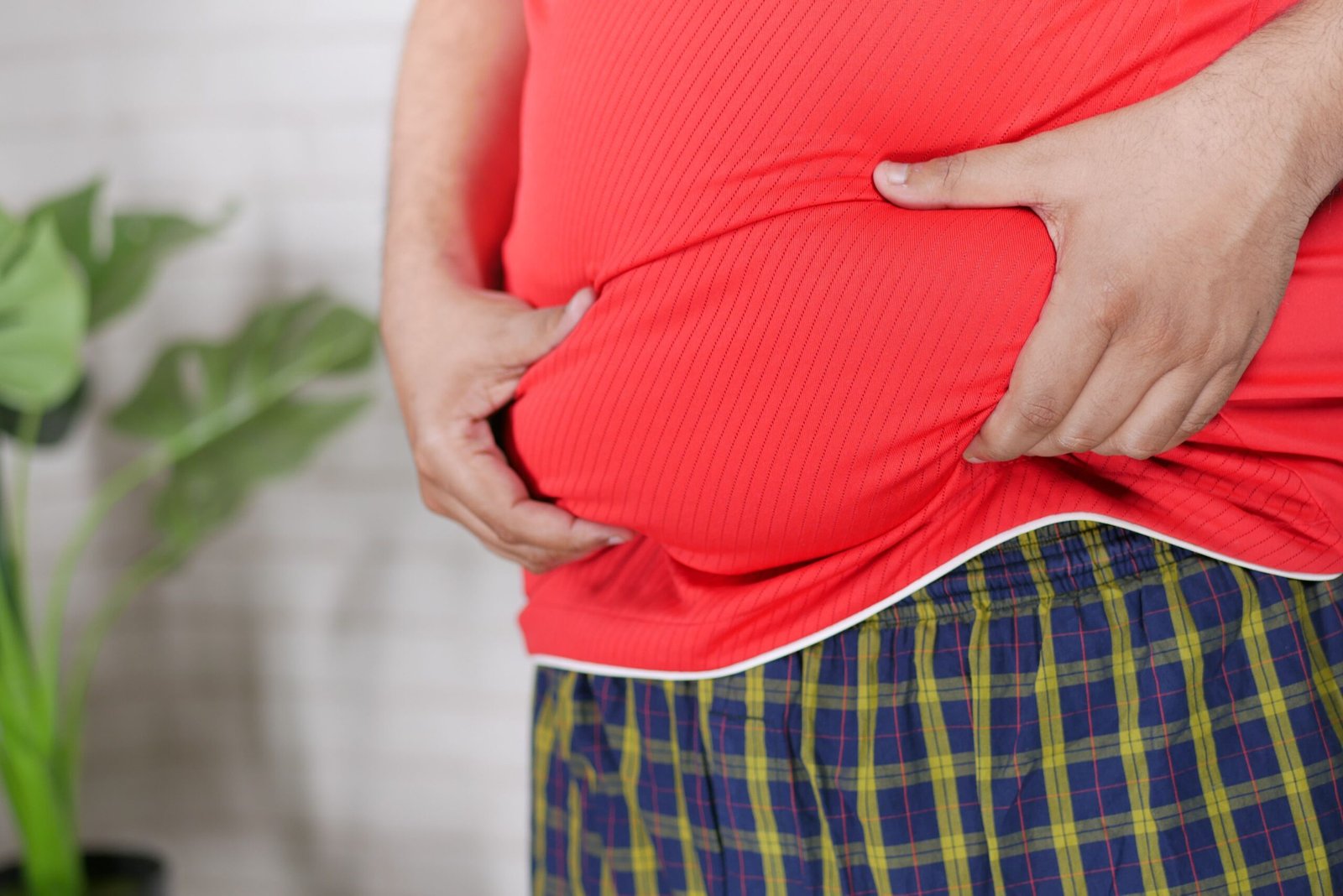
- Weight management: Consider a jump rope, exercise mat, resistance bands, and cardio equipment.
- Muscle building: Focus on adjustable dumbbells, resistance bands, a kettlebell, and a weight bench.
- Flexibility: Invest in a yoga mat and foam roller.
- Overall fitness: Combine strength-training equipment with cardio and mobility tools.
Stage 1: Essential starter setup
- Exercise mat
- Resistance bands
- Adjustable dumbbells
- Jump rope
Stage 2: Strength and variety
- Kettlebell
- Pull-up bar
- Foam roller
Stage 3: Advanced home setup
- Adjustable weight bench
- Stability ball
- Treadmill or stationary bike
- Warm up for 5–10 minutes before exercising.
- Start with manageable weights and resistance.
- Focus on correct exercise technique.
- Allow your muscles time to recover.
- Stay hydrated throughout the day.
- Increase workout intensity gradually.
- Stop exercising if you experience sharp pain, dizziness, or unusual discomfort.




Leave a Reply