

Introduction
Eating balanced meals is one of the most important habits for maintaining good health and living a healthy, active, and happy life. A balanced diet provides the body with all the essential nutrients it needs to function properly. These nutrients include carbohydrates, proteins, fats, vitamins, minerals, fiber, and water. Every person needs a variety of nutrients to maintain energy, support growth, strengthen the immune system, and protect the body against diseases.
A healthy diet should include different types of foods, especially vegetables, fruits, lean protein, and whole grains. These food groups provide important nutrients that help the body stay strong and healthy. Eating a variety of foods in the right proportions can improve physical health, support mental well-being, and reduce the risk of many health problems.
In today’s busy lifestyle, many people prefer fast food, processed snacks, sugary drinks, and meals that contain excessive amounts of salt and unhealthy fats. Although these foods may be convenient and tasty, eating them regularly can negatively affect health. An unbalanced diet may lead to weight gain, tiredness, digestive problems, diabetes, heart disease, and other health conditions.
Therefore, it is important to develop healthy eating habits from an early age. Choosing nutritious foods, controlling portion sizes, drinking enough water, and eating meals regularly can make a significant difference in overall health.
1. Importance of Eating Balanced Meals
A balanced meal contains different food groups in appropriate proportions. Each food group has a special role in keeping the body healthy. No single food provides all the nutrients required by the body, so eating a variety of foods is essential.
The main benefits of eating balanced meals include:
- Provides energy: Healthy foods supply the energy needed for daily activities such as walking, studying, working, exercising, and playing.
- Supports growth and development: Proteins, vitamins, and minerals help children and teenagers grow properly.
- Strengthens the immune system: Nutrients such as vitamins A, C, D, and zinc help the body defend itself against infections.
- Improves digestion: Fiber from vegetables, fruits, and whole grains supports a healthy digestive system.
- Maintains a healthy weight: Balanced meals help control hunger and prevent excessive calorie consumption.
- Supports brain function: Healthy foods provide nutrients that help improve concentration, memory, and mental performance.
- Protects against diseases: A nutritious diet can reduce the risk of heart disease, type 2 diabetes, high blood pressure, and certain other chronic conditions.
Eating balanced meals is not about avoiding all favorite foods. Instead, it is about making healthy choices most of the time and enjoying different foods in appropriate amounts.
2. Include Plenty of Vegetables in Your Meals
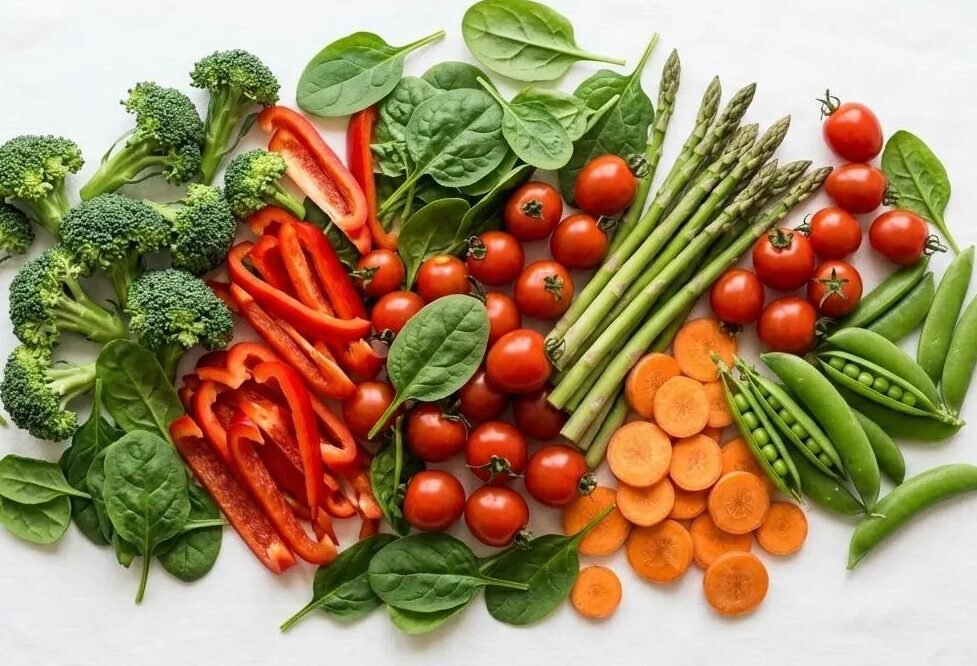
Vegetables are an essential part of a healthy diet. They contain vitamins, minerals, antioxidants, and dietary fiber that support different functions in the body. Eating vegetables every day helps maintain good health and protects the body from nutritional deficiencies.
Different vegetables provide different nutrients. For example:
- Spinach: Contains iron, folate, vitamin K, and vitamin A, which support blood health and normal body functions.
- Carrots: Rich in beta-carotene, which the body converts into vitamin A. Vitamin A supports healthy vision and immune function.
- Broccoli: Provides vitamin C, vitamin K, fiber, and other beneficial plant compounds.
- Tomatoes: Contain vitamin C, potassium, and lycopene, an antioxidant that helps protect cells.
- Cucumber: Contains a high amount of water and provides a refreshing addition to meals.
- Bell peppers: Provide vitamin C and other antioxidants.
- Cauliflower: Contains fiber, vitamin C, and other important nutrients.
- Green beans: Provide fiber, folate, and several vitamins and minerals.
Benefits of Eating Vegetables
1. Improves digestion
Vegetables contain dietary fiber, which helps maintain regular bowel movements and supports healthy digestion. Fiber also helps beneficial bacteria in the digestive system.
2. Supports heart health
Many vegetables contain potassium, fiber, and antioxidants. These nutrients can support healthy blood pressure and cardiovascular health.
3. Helps maintain healthy weight
Most vegetables are relatively low in calories and high in water and fiber. They help people feel full without consuming excessive calories.
4. Strengthens immunity
Vegetables provide essential vitamins and minerals that support the immune system and help the body function properly.
5. Protects cells
Colorful vegetables contain antioxidants that help protect cells from damage caused by unstable molecules called free radicals.
How to Include More Vegetables in Daily Meals
There are many simple ways to eat more vegetables:
- Add tomatoes, onions, and spinach to omelets.
- Include a fresh salad with lunch and dinner.
- Add carrots, peas, and beans to rice dishes.
- Prepare vegetable soup for a healthy meal.
- Eat cucumber and carrots as snacks.
- Add spinach or other vegetables to sandwiches.
- Include cooked vegetables with chicken, fish, or lentils.
It is beneficial to eat vegetables of different colors because different colors often indicate different nutrients and plant compounds.
3. Eat Fresh Fruits Every Day
Fruits are another important component of a balanced diet. They provide natural carbohydrates, vitamins, minerals, antioxidants, and dietary fiber. Eating a variety of whole fruits helps maintain good health and provides essential nutrients.
Fruits are naturally sweet and can be a healthier alternative to sweets, cakes, and sugary snacks.
Some nutritious fruits include:
- Apples: Provide fiber, vitamin C, and beneficial plant compounds.
- Bananas: Contain potassium, vitamin B6, and carbohydrates that provide energy.
- Oranges: Rich in vitamin C, which supports immune function and helps the body absorb iron from plant foods.
- Mangoes: Provide vitamin A, vitamin C, and fiber.
- Strawberries: Contain vitamin C, fiber, and antioxidants.
- Watermelons: Have high water content and provide vitamin C and other nutrients.
- Papayas: Contain vitamin C, vitamin A, and fiber.
- Grapes: Provide water, carbohydrates, and beneficial plant compounds.
- Guavas: Are rich in vitamin C and dietary fiber.
Benefits of Eating Fruits
1. Provides essential vitamins
Fruits contain vitamins that help the body perform important functions. Vitamin C supports the immune system, while vitamin A contributes to healthy vision and skin.
2. Improves digestive health
Whole fruits contain dietary fiber, which supports digestion and helps prevent constipation.
3. Provides natural energy
Fruits contain natural sugars that provide energy for daily activities. They also contain water and fiber.
4. Supports heart health
Fruits provide potassium, antioxidants, and fiber that can contribute to cardiovascular health.
5. Helps maintain healthy skin
Vitamins and antioxidants in fruits support normal skin health and protect cells from oxidative damage.
How to Include Fruits in Your Daily Routine
Eating fruit does not need to be difficult or expensive. You can:
- Eat a banana with breakfast.
- Add apple slices to oatmeal.
- Enjoy an orange as an afternoon snack.
- Prepare a fresh fruit salad.
- Add berries to plain yogurt.
- Eat seasonal fruits instead of sugary desserts.
- Keep washed fruit available at home.
- Choose whole fruits rather than fruit juices most of the time.
Whole fruits are generally a better choice than fruit juices because they contain more fiber and are usually more filling.
4. Choose Lean Protein for Strong Muscles and Healthy Body Functions

Log inSign up for free
Protein is an essential nutrient that helps build and repair body tissues. It is necessary for muscle development, healthy skin, hair, and the production of enzymes and hormones. Protein also supports the immune system.
Lean protein is a healthy choice because it provides protein without excessive amounts of saturated fat.
Healthy Sources of Lean Protein
1. Chicken
Skinless chicken is an excellent source of protein. It provides essential amino acids that help build and repair muscles.
2. Fish
Fish provides high-quality protein. Fatty fish such as salmon, sardines, and mackerel also contain omega-3 fatty acids, which support heart and brain health.
3. Eggs
Eggs are nutritious and provide high-quality protein, vitamin B12, choline, and other essential nutrients.
4. Beans
Beans are an affordable source of plant-based protein and fiber. They can be added to salads, soups, and rice dishes.
5. Lentils
Lentils are rich in protein, fiber, iron, and folate. They are particularly useful for people who prefer vegetarian meals.
6. Chickpeas
Chickpeas provide plant-based protein, fiber, and minerals. They can be eaten boiled, added to salads, or prepared as hummus.
7. Low-fat yogurt
Plain low-fat yogurt provides protein and calcium, which help support healthy muscles and bones.
8. Nuts and seeds
Almonds, walnuts, pumpkin seeds, and chia seeds provide protein, healthy fats, and other nutrients.
Benefits of Lean Protein
- Builds and repairs muscles.
- Supports healthy growth and development.
- Helps maintain strong bones when combined with other essential nutrients.
- Supports immune system function.
- Helps the body produce enzymes and hormones.
- Keeps people feeling full for longer.
- Helps maintain muscle mass during weight management.
Ways to Include Lean Protein in Meals
- Eat boiled or scrambled eggs at breakfast.
- Include grilled chicken in lunch.
- Add lentils or chickpeas to meals.
- Eat fish regularly as part of a varied diet.
- Choose plain yogurt as a snack.
- Add beans to vegetable salads.
- Include nuts and seeds in moderate portions.
Protein should be included in meals throughout the day rather than relying on only one large protein-rich meal.
5. Choose Whole Grains Instead of Refined Grains
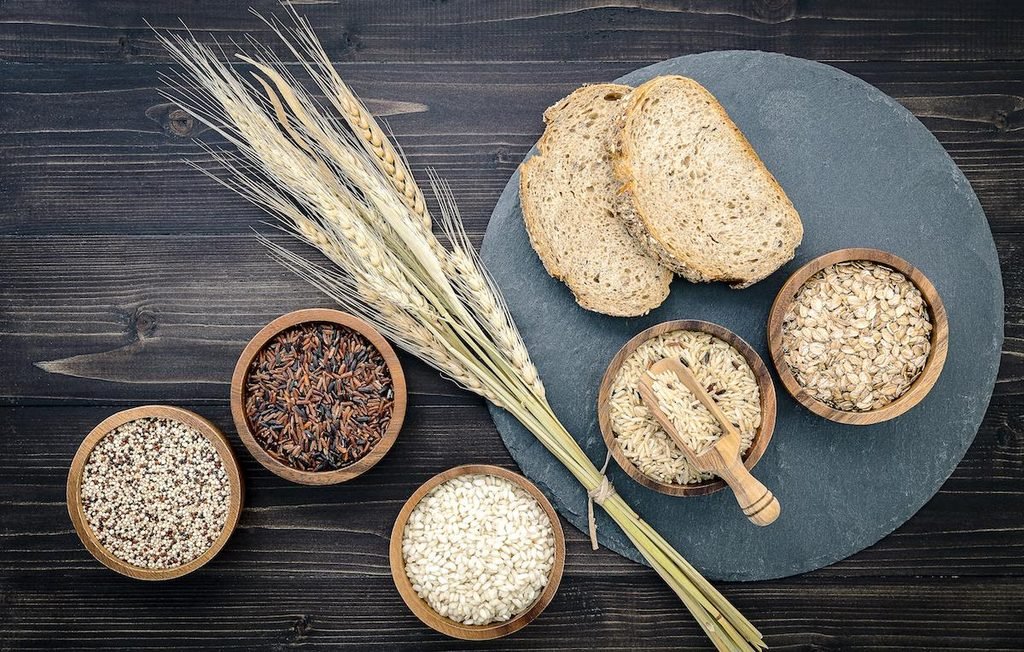
Whole grains are an important source of carbohydrates, fiber, vitamins, and minerals. They provide energy for the body and help maintain healthy digestion.
A whole grain contains three main parts:
- Bran: The outer layer, which contains fiber, vitamins, and minerals.
- Germ: The inner part, which provides healthy fats, vitamins, and antioxidants.
- Endosperm: The largest part, which contains carbohydrates and some protein.
Refined grains, such as white flour and white bread, have some of these parts removed during processing. As a result, they usually contain less fiber and fewer naturally occurring nutrients than whole grains.
Examples of Whole Grains
- Whole wheat bread
- Brown rice
- Oats
- Barley
- Quinoa
- Whole wheat pasta
- Millet
- Whole grain cereals
- Whole wheat chapati
Benefits of Whole Grains
1. Supports digestive health
Whole grains contain fiber, which helps maintain regular bowel movements and supports beneficial gut bacteria.
2. Provides long-lasting energy
Whole grains contain complex carbohydrates that provide energy for daily activities.
3. Supports heart health
Eating whole grains regularly as part of a healthy diet can help improve cardiovascular health.
4. Helps control blood sugar
Fiber slows the digestion and absorption of carbohydrates, which can help reduce rapid changes in blood glucose levels.
5. Helps maintain a healthy weight
Whole grains are often more filling than refined grains because of their fiber content.
How to Add Whole Grains to Your Diet
- Replace white bread with whole wheat bread.
- Choose brown rice instead of white rice more often.
- Eat oatmeal for breakfast.
- Prepare whole wheat chapati.
- Add barley to soups.
- Choose whole grain cereals with little added sugar.
- Try quinoa or millet as alternatives to refined grains.
In Pakistan, whole wheat chapati, oats, barley, and brown rice can be practical choices for adding more whole grains to everyday meals.
6. Understand the Healthy Plate Method
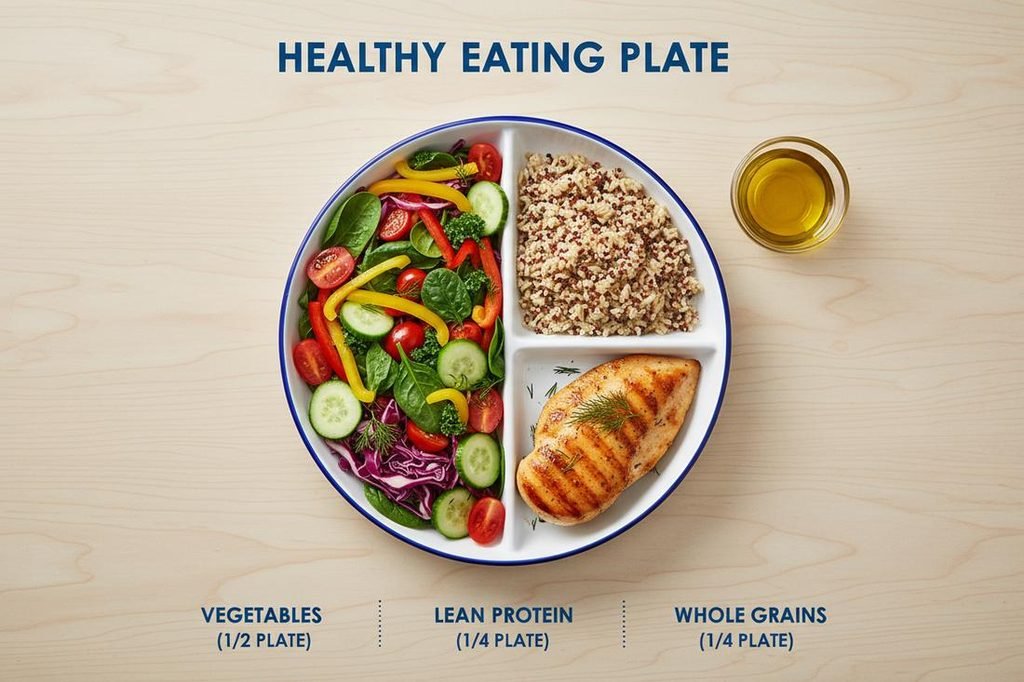
One simple way to prepare balanced meals is to follow the healthy plate method. This method helps people understand how much space different food groups should occupy on a plate.
A balanced plate can be divided into three main sections:
- Half the plate: Vegetables and fruits, with more emphasis on vegetables.
- One-quarter of the plate: Lean protein, such as fish, chicken, eggs, beans, or lentils.
- One-quarter of the plate: Whole grains, such as brown rice, oats, or whole wheat chapati.
You can also include a small amount of healthy fat, such as olive oil, nuts, or seeds.
Water should be the main drink with meals. Unsweetened tea and milk can also be included according to individual nutritional needs.
This method is flexible and can be adjusted according to age, activity level, appetite, and health requirements.
7. Importance of Drinking Enough Water
Water is essential for life and plays an important role in maintaining good health. It helps regulate body temperature, transport nutrients, remove waste products, and support digestion.
Even when people eat healthy foods, they may experience tiredness or difficulty concentrating if they do not drink enough water.
Benefits of Drinking Water
- Maintains proper hydration.
- Supports digestion.
- Helps regulate body temperature.
- Supports kidney function.
- Helps transport nutrients throughout the body.
- Maintains healthy skin function.
- Supports physical performance and concentration.
People should drink water regularly throughout the day. Water requirements differ depending on weather, activity level, age, and individual health conditions.
In hot climates, such as Pakistan, people may need additional fluids because of increased sweating.
Some foods, including watermelon, cucumber, oranges, and soups, also contribute to daily fluid intake.
8. Avoid Excessive Processed Foods and Sugary Drinks
Modern lifestyles have increased the consumption of processed foods and fast food. Although these foods are convenient, many contain excessive amounts of salt, added sugar, saturated fat, and calories.
Examples include:
- Burgers and fried foods.
- Potato chips.
- Sugary soft drinks.
- Packaged cakes and biscuits.
- Candy and chocolates.
- Instant noodles.
- Processed meats.
- Sweetened energy drinks.
Eating these foods frequently may increase the risk of obesity, high blood pressure, type 2 diabetes, and heart disease.
Healthy Alternatives
Instead of consuming unhealthy snacks regularly, choose nutritious alternatives:
| Instead of | Choose |
|---|---|
| Sugary soft drinks | Water |
| Potato chips | Roasted chickpeas |
| Candy | Fresh fruit |
| Cream-filled biscuits | Plain yogurt |
| Fried chicken | Grilled chicken |
| White bread | Whole wheat bread |
| Sugary breakfast cereal | Plain oatmeal |
| Processed snacks | Nuts and seeds |
It is not necessary to completely eliminate favorite foods. The goal is to limit foods high in added sugar, salt, and unhealthy fats while making nutritious foods the foundation of daily meals.
9. Example of a Balanced Daily Meal Plan
Planning meals in advance can make healthy eating easier. A daily meal plan should include vegetables, fruits, lean protein, whole grains, and enough water.
Here is an example of a balanced daily meal plan using commonly available foods.

Breakfast
- Two boiled eggs.
- One whole wheat chapati or whole grain toast.
- One banana or seasonal fruit.
- Milk or unsweetened tea.

Mid-morning snack
- One apple or orange.
- A small handful of almonds.
- Water.

Lunch
- Grilled chicken or lentils.
- Whole wheat chapati or brown rice.
- Fresh cucumber and tomato salad.
- Plain yogurt.

Evening snack
- Roasted chickpeas.
- One seasonal fruit.
- Water or unsweetened tea.

Dinner
- Grilled fish, chicken, or beans.
- Cooked mixed vegetables.
- A moderate portion of whole grains.
- Fresh salad.
This is only an example. Food portions should be adjusted according to individual nutritional needs, age, physical activity, and health conditions.
10. Healthy Eating Habits for Everyday Life
Eating balanced meals becomes easier when healthy habits are followed consistently.
Some useful habits include:
1. Never skip breakfast unnecessarily
A nutritious breakfast provides energy and important nutrients to start the day. It may include eggs, oatmeal, fruit, milk, or whole wheat bread.
2. Eat a variety of foods
Try different vegetables, fruits, grains, and protein sources. Variety helps ensure that the body receives a wide range of nutrients.
3. Control portion sizes
Eating too much, even of nutritious foods, may result in consuming more energy than the body needs. Pay attention to hunger and fullness signals.
4. Prepare meals at home
Home-cooked meals allow better control over ingredients, cooking methods, salt, sugar, and oil.
5. Eat slowly
Eating slowly helps people recognize when they are full and may prevent overeating.
6. Plan meals ahead of time
Preparing a shopping list and planning meals can help prevent unhealthy food choices when people are busy.
7. Choose healthy cooking methods
Prefer steaming, boiling, baking, grilling, and roasting instead of deep-frying.
8. Maintain regular meal times
A regular eating routine can make it easier to meet nutritional needs and manage hunger.
9. Read food labels
Check the amounts of added sugar, sodium, saturated fat, fiber, and serving sizes when buying packaged foods.
10. Combine healthy eating with physical activity
Walking, cycling, swimming, and other forms of exercise support overall health when combined with nutritious meals.
11. The Role of Balanced Nutrition in Mental Health
Healthy eating does not only benefit the physical body; it also supports mental health and brain function.
The brain requires a continuous supply of energy and nutrients to perform its functions. A balanced diet provides carbohydrates, healthy fats, vitamins, minerals, and amino acids that support brain activity.
For example:
- Whole grains provide energy for the brain.
- Fish provides omega-3 fatty acids that support normal brain function.
- Fruits and vegetables provide antioxidants and vitamins.
- Eggs provide choline, which is important for normal brain function.
- Nuts and seeds provide healthy fats and minerals.
- Water helps maintain hydration, which is important for concentration.
Eating nutritious meals regularly may support better concentration, memory, and mood. However, diet is only one part of mental well-being. Sleep, exercise, social relationships, and stress management are also important.
12. Challenges to Eating Balanced Meals
Although healthy eating is important, many people face challenges when trying to maintain a balanced diet.
Common challenges include:
- Lack of time to prepare healthy meals.
- Limited budgets.
- Easy availability of fast food.
- Unhealthy eating habits.
- Lack of nutritional knowledge.
- Preference for sugary and salty foods.
- Skipping meals because of busy schedules.
Practical Solutions
Prepare meals in advance: Cooking food in advance can save time during busy days.
Choose affordable nutritious foods: Seasonal vegetables, bananas, lentils, chickpeas, eggs, and whole wheat flour can provide valuable nutrients without requiring expensive ingredients.
Keep healthy snacks available: Fresh fruit, roasted chickpeas, and nuts can replace many packaged snacks.
Learn basic nutrition: Understanding food groups helps people make better decisions when shopping and preparing meals.
Make gradual changes: Start by adding one vegetable to lunch, replacing one sugary drink with water, or choosing whole wheat bread instead of white bread.
Small changes can develop into long-term healthy habits.
13. Importance of Balanced Meals for Children and Adults
Balanced nutrition is important at every stage of life.
For Children
Children need nutritious foods to support growth, brain development, bone strength, and immunity. They should receive a variety of fruits, vegetables, protein-rich foods, whole grains, and dairy or suitable alternatives.
Healthy eating habits developed during childhood may continue into adulthood.
For Teenagers
Teenagers experience rapid physical growth and development. They need sufficient protein, calcium, iron, vitamins, and energy to support their changing bodies.
Nutritious meals can support learning, physical activity, and healthy development.
For Adults
Adults need balanced meals to maintain muscle mass, support heart health, maintain energy, and reduce the risk of chronic diseases.
Choosing high-fiber foods, lean proteins, vegetables, fruits, and whole grains is particularly beneficial.
For Older Adults
Older adults may need special attention to protein, calcium, vitamin D, fiber, and hydration. Nutritious foods help maintain muscle strength, bone health, and digestive function.
Individual dietary needs may differ, so people with medical conditions should follow advice from a qualified healthcare professional.
14. Long-Term Benefits of Balanced Eating
Following a balanced diet consistently can have many long-term benefits.
- Better physical health: Nutrient-rich meals help maintain normal body functions.
- Improved energy levels: Healthy carbohydrates and other nutrients provide energy for everyday activities.
- Healthy digestion: Fiber-rich foods support the digestive system.
- Stronger bones and muscles: Protein, calcium, vitamin D, and other nutrients support the musculoskeletal system.
- Healthy heart: Fruits, vegetables, whole grains, and unsaturated fats support cardiovascular health.
- Better weight management: Balanced meals help regulate hunger and energy intake.
- Reduced disease risk: Healthy dietary patterns can lower the risk of several chronic diseases.
- Improved quality of life: Eating nutritious foods supports an active lifestyle and general well-being.
Healthy eating is not a temporary activity or a short-term diet. It is a lifelong habit that can help people enjoy better health and a higher quality of life.
Conclusion
Eating balanced meals with vegetables, fruits, lean protein, and whole grains is essential for maintaining a healthy lifestyle. Each food group provides different nutrients that perform important functions in the body. Vegetables and fruits supply vitamins, minerals, antioxidants, and fiber. Lean protein helps build and repair muscles and body tissues. Whole grains provide energy, fiber, and essential nutrients that support digestion and overall health.
A balanced diet also helps strengthen the immune system, maintain healthy body weight, improve digestion, support brain function, and reduce the risk of chronic diseases. Drinking enough water, limiting processed foods, controlling portion sizes, and choosing healthy cooking methods are equally important.
People do not need expensive foods or complicated meal plans to eat healthily. Simple and affordable foods such as seasonal fruits, fresh vegetables, lentils, chickpeas, eggs, fish, whole wheat chapati, oats, and brown rice can provide excellent nutrition.
The most important thing is consistency. Making small, positive changes every day can lead to significant improvements in health over time. By choosing a variety of nutritious foods and maintaining healthy eating habits, everyone can take an important step toward a stronger body, a healthier mind, and a better future.









Leave a Reply