
Introduction
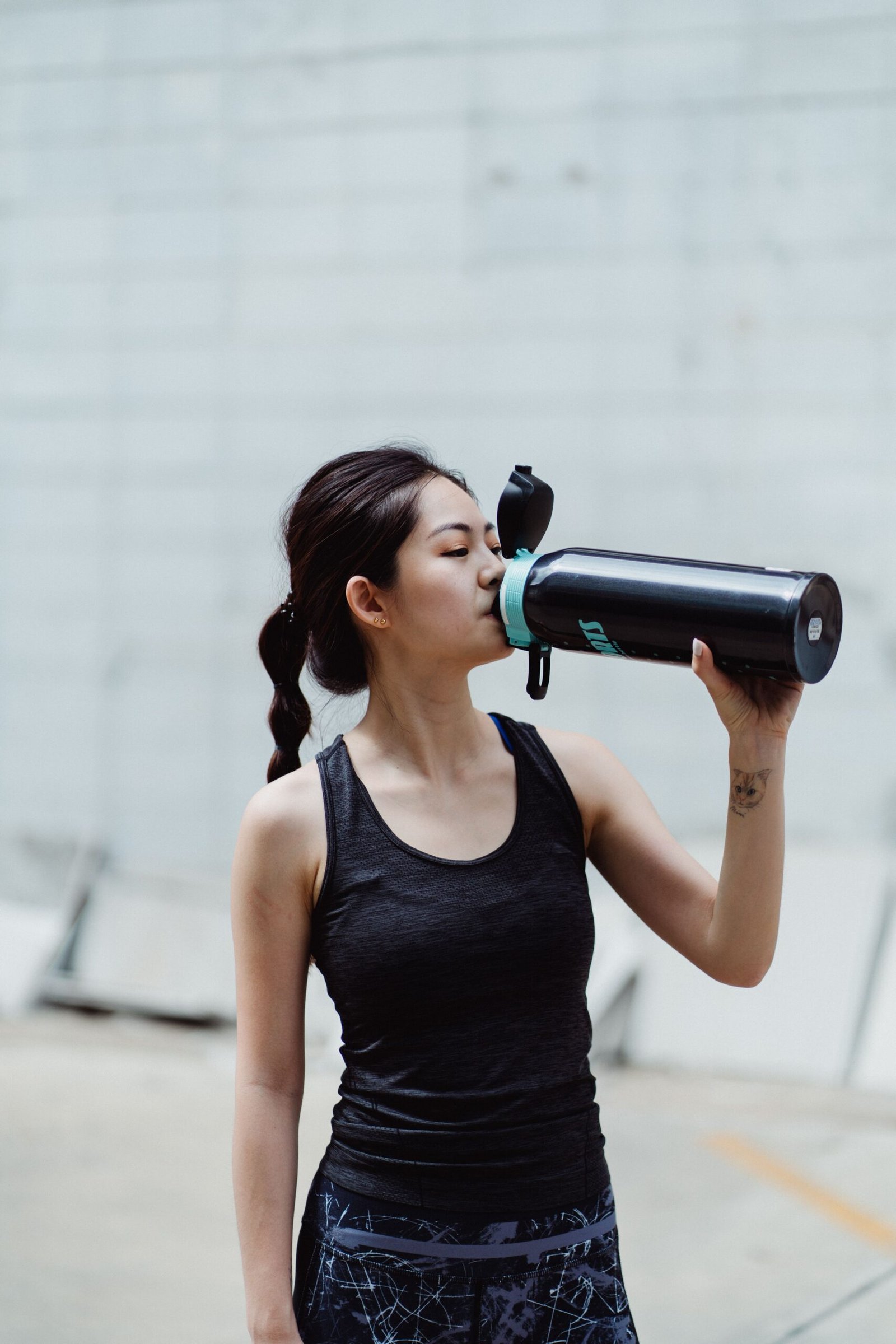
Water is one of the most essential elements for human life. The human body needs water to perform almost every important function, including digestion, circulation, temperature regulation, and the removal of waste products. Drinking plenty of water throughout the day is an important habit for maintaining good health and supporting a healthy lifestyle.
Water makes up a large part of the human body and is necessary for the proper functioning of organs, muscles, and tissues. It helps transport nutrients, regulate body temperature, lubricate joints, and maintain the balance of body fluids. Without enough water, the body cannot function properly, and a person may experience dehydration, tiredness, headaches, dizziness, and difficulty concentrating.
Many people forget to drink enough water because of their busy schedules, work, studies, or other daily activities. Some people also replace water with soft drinks, packaged juices, and sugary beverages. However, plain water is generally the best choice for hydration because it does not contain added sugar or unnecessary calories.
Developing the habit of drinking water regularly can improve overall health, support physical performance, and help people feel refreshed and energetic throughout the day.
1. Importance of Drinking Water
Water is essential for survival and plays a major role in maintaining the body’s normal functions. Every cell, tissue, and organ needs water to work properly.
The human body loses water throughout the day through sweating, breathing, urination, and bowel movements. Therefore, it is important to replace the lost fluids regularly.
Drinking enough water helps:
- Maintain normal body temperature.
- Support healthy digestion.
- Transport nutrients and oxygen throughout the body.
- Remove waste products through urine and sweat.
- Maintain healthy blood circulation.
- Lubricate joints and protect body tissues.
- Support brain function and concentration.
- Maintain normal kidney function.
- Prevent dehydration.
- Support healthy skin function.
Water is especially important during hot weather, physical exercise, and activities that cause excessive sweating.
2. Benefits of Drinking Plenty of Water
A. Prevents Dehydration
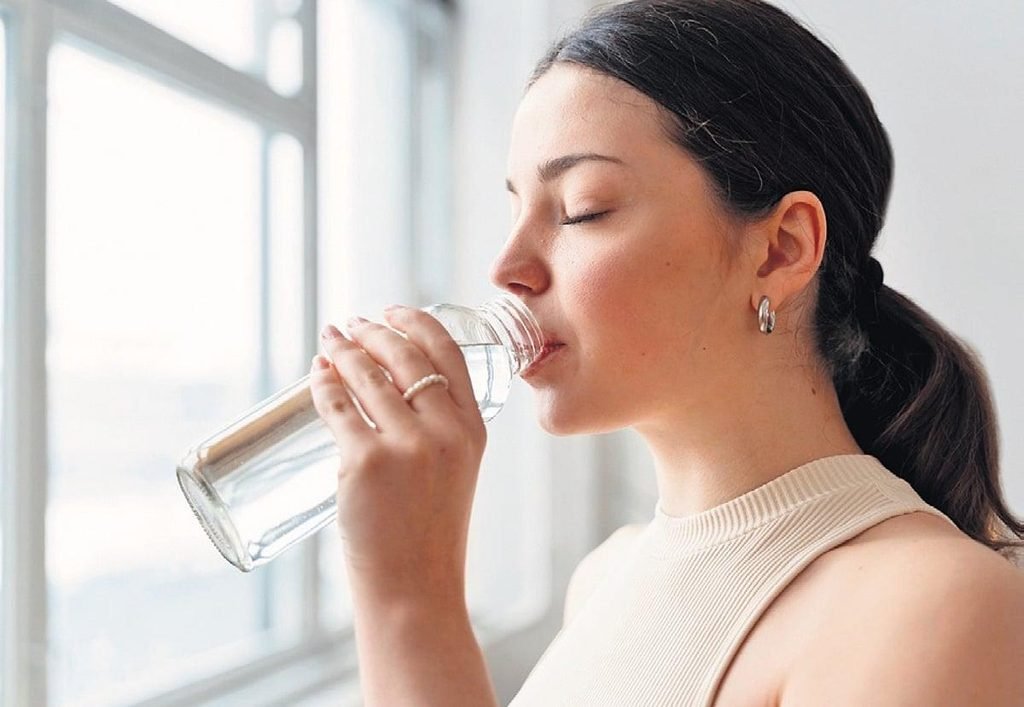
One of the most important benefits of drinking water is preventing dehydration. Dehydration occurs when the body loses more fluids than it takes in.
It can happen because of excessive sweating, hot weather, fever, vomiting, diarrhea, or insufficient water intake.
Common signs of dehydration include:
- Dry mouth and lips.
- Increased thirst.
- Dark yellow urine.
- Headaches.
- Tiredness and weakness.
- Dizziness.
- Reduced urination.
- Difficulty concentrating.
Drinking water regularly helps replace lost fluids and maintain the body’s fluid balance.
B. Supports Healthy Digestion
Water plays an important role in the digestive system. It helps break down food, supports the movement of food through the intestines, and allows the body to absorb nutrients.
Drinking enough water together with eating fiber-rich foods can help prevent constipation.
Water also helps soften stools, making bowel movements easier and more comfortable.
Some healthy habits for better digestion include:
- Drinking water after waking up.
- Drinking water with meals.
- Eating fruits and vegetables.
- Including whole grains in daily meals.
- Drinking water regularly between meals.
C. Helps Regulate Body Temperature
Water helps control body temperature through sweating. When the body becomes hot, sweat is released from the skin. As sweat evaporates, it helps cool the body.
This process is especially important during summer and in hot climates.
People living in warm regions, such as Pakistan, should pay special attention to hydration, particularly during hot afternoons.
Drinking enough water helps replace fluids lost through sweating and supports normal temperature regulation.
D. Supports Kidney Health
The kidneys are responsible for filtering waste products and excess fluids from the blood. Water helps the kidneys perform these functions by supporting urine production.
Drinking enough water helps maintain normal kidney function and may reduce the risk of certain types of kidney stones.
Healthy habits for supporting kidney function include:
- Drinking water regularly.
- Avoiding excessive salt consumption.
- Eating a balanced diet.
- Staying physically active.
- Limiting sugary beverages.
People with kidney or heart conditions may need individualized fluid recommendations from their healthcare professionals.
E. Improves Physical Performance
Water is important for muscles and physical activity. During exercise, the body loses fluids through sweating. If these fluids are not replaced, physical performance may decrease.
Dehydration can cause tiredness, muscle cramps, dizziness, and reduced endurance.
Drinking water before, during, and after exercise helps maintain hydration.
For example, people who walk, run, cycle, play sports, or exercise at the gym should pay attention to their fluid intake.
F. Supports Brain Function and Concentration
The brain requires proper hydration to function normally. Even mild dehydration may affect concentration, attention, mood, and mental performance.
Students and office workers should drink water regularly throughout the day to support concentration and avoid dehydration-related headaches and tiredness.
Keeping a reusable water bottle nearby can make it easier to remember to drink water while studying or working.
G. Supports Healthy Skin
Water is important for maintaining normal skin function. Proper hydration helps maintain the body’s fluid balance and supports healthy skin.
However, drinking excessive amounts of water does not automatically remove wrinkles or cure skin problems.
For healthy skin, it is important to combine adequate hydration with a balanced diet, proper sleep, and suitable skincare.
H. Helps Maintain a Healthy Weight
Drinking water can support healthy weight management.
Water contains no calories, so replacing sugary drinks with plain water can reduce overall calorie intake.
Drinking water before or with meals may also help some people feel satisfied.
Healthy weight management should include balanced meals, regular physical activity, adequate sleep, and appropriate hydration.
3. How Much Water Should You Drink Everyday
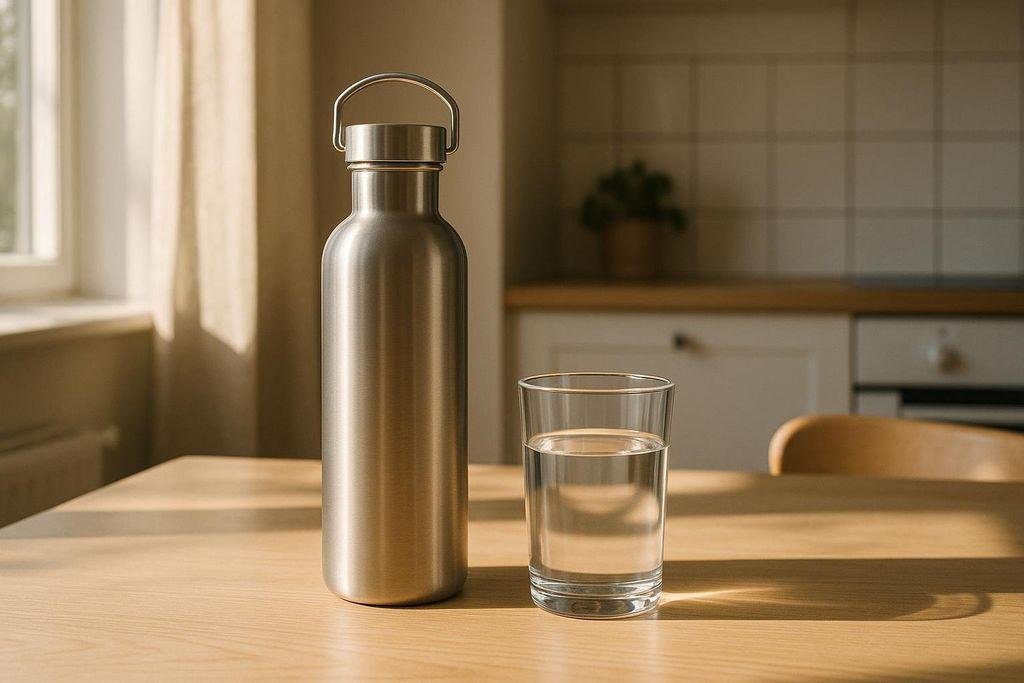
The amount of water a person needs depends on several factors, including age, body size, physical activity, weather, diet, and health conditions.
There is no single amount that is suitable for everyone.
For many healthy adults, general daily total-water reference amounts are approximately:
- Women: 2.7 liters per day.
- Men: 3.7 liters per day.
These amounts include water from both drinks and food, not just plain drinking water. Individual needs may be higher or lower.
People who exercise regularly, sweat heavily, or live in hot climates may need additional fluids.
A simple way to monitor hydration is to observe urine color. Pale yellow urine generally indicates adequate hydration, although some medications, vitamins, and medical conditions can affect urine color.
The most important thing is to drink regularly rather than waiting until you become extremely thirsty.
4. Best Times to Drink Water During the Day
Developing a daily water-drinking routine can make it easier to stay hydrated.

A. After Waking Up
Drinking a glass of water after waking up is a simple way to begin the day. The body naturally loses water during sleep through breathing and other normal processes.
Starting the morning with water helps you begin replacing those fluids.
B. Before Breakfast
Drinking water before breakfast can help maintain hydration and prepare you for the day.
Water can be consumed alongside a nutritious breakfast containing fruits, whole grains, and protein.
C. Between Meals
Drinking water between meals is an easy way to maintain hydration throughout the day.
Instead of waiting until you feel thirsty, take regular sips during work, study, or household activities.
D. Before and During Exercise
Drink water before starting physical activity. During exercise, take regular sips according to your activity level, temperature, and sweating.
Long or intense exercise in hot weather may require additional electrolytes as well as fluids.
E. After Exercise
After physical activity, drink water to replace fluids lost through sweating.
If you have exercised heavily or sweated significantly, additional fluid and electrolytes may be necessary.
F. With Lunch and Dinner
Drinking water with meals supports daily hydration. It is also a healthy alternative to sugary soft drinks.
G. Before Going to Bed
You can drink a small amount of water before bedtime if you are thirsty. However, avoid drinking excessive amounts immediately before sleeping if it causes frequent nighttime urination.
5. Tips to Develop the Habit of Drinking More Water
Many people struggle to drink enough water because they forget or do not enjoy drinking plain water. Fortunately, there are simple ways to develop this healthy habit.
- Carry a water bottle: Keep a reusable water bottle with you at work, school, or while traveling.
- Set reminders: Use your phone or a reminder application to remind yourself to drink water.
- Drink water regularly: Take small sips throughout the day instead of drinking a large amount all at once.
- Keep water nearby: Place a glass or bottle of water on your desk or dining table.
- Drink water after activities: Make drinking water part of your routine after walking, exercising, or completing household tasks.
- Choose water instead of soft drinks: Replace sugary beverages with plain water whenever possible.
- Eat water-rich foods: Include watermelon, cucumber, oranges, strawberries, and soups in your diet.
- Use a marked water bottle: A bottle with measurement markings can help you monitor your daily intake.
- Make water more enjoyable: Add lemon slices, mint leaves, or cucumber for natural flavor without added sugar.
- Build a daily routine: Drink water at regular intervals so that hydration becomes a natural habit.
6. Healthy Drinks That Support Hydration
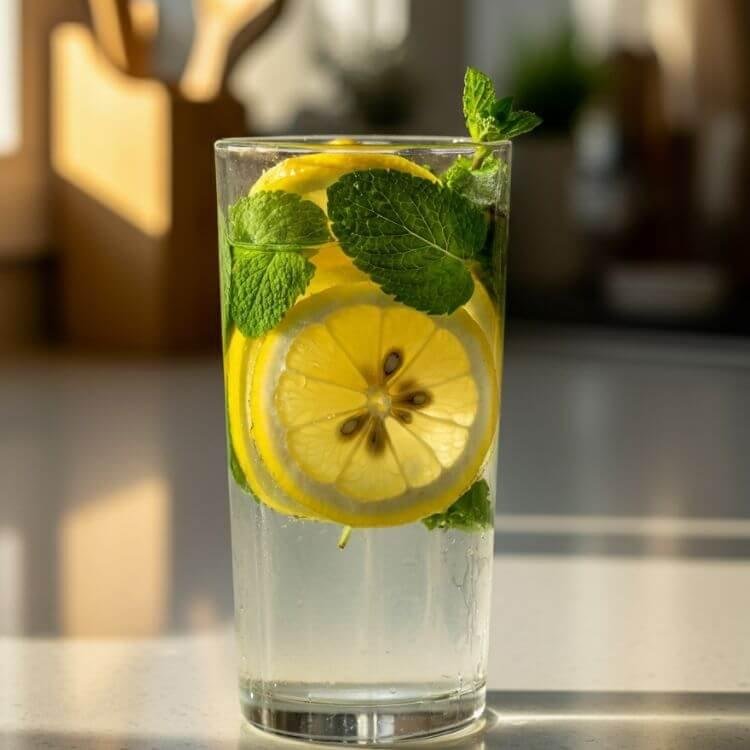
Plain water should be the main source of hydration, but several other drinks can also contribute to daily fluid intake.
Some healthy options include:
- Plain water: The best everyday choice for hydration.
- Lemon water: Water with fresh lemon slices provides a refreshing flavor.
- Coconut water: Provides fluids and electrolytes, although it contains natural sugars and potassium.
- Milk: Provides fluids, protein, calcium, and other nutrients.
- Unsweetened herbal tea: Contributes to fluid intake without added sugar.
- Homemade fruit-infused water: Water flavored with fresh fruit and herbs.
- Vegetable soup: Provides fluids along with vitamins and minerals.
It is better to limit sugary drinks, energy drinks, and packaged juices because they may contain high amounts of added sugar.
7. Eat Foods That Contain Water

Drinking water is not the only way to stay hydrated. Many fruits and vegetables naturally contain large amounts of water.
Including these foods in daily meals can contribute to hydration while providing essential nutrients.
Examples of Water-Rich Foods
- Watermelon: Contains a high percentage of water and provides vitamin C.
- Cucumber: Contains a large amount of water and is refreshing.
- Oranges: Provide water, vitamin C, and fiber.
- Strawberries: Contain water, vitamin C, and antioxidants.
- Tomatoes: Provide water, potassium, and vitamin C.
- Lettuce: Contains a high amount of water and can be added to salads.
- Melons: Provide water and several important nutrients.
- Pineapple: Contains water, vitamin C, and natural carbohydrates.
These foods are particularly useful during summer when people may lose more fluids through sweating.
8. Importance of Drinking Water in Hot Weather
Hot weather increases the body’s need to regulate temperature. Sweating is one of the main ways the body cools itself, but excessive sweating also causes fluid loss.
In hot climates, dehydration can develop more quickly, especially when people spend long hours outdoors.
To stay hydrated during hot weather:
- Drink water regularly throughout the day.
- Carry a water bottle when going outside.
- Avoid spending too much time in direct sunlight.
- Wear light and comfortable clothing.
- Eat water-rich fruits and vegetables.
- Drink additional fluids when sweating heavily.
- Avoid excessive consumption of sugary beverages.
People who work outdoors, perform physical labor, or exercise in high temperatures should take extra precautions.
9. Harmful Effects of Not Drinking Enough Water
Not drinking enough water can negatively affect the body.
Some possible effects include:
1. Dehydration: The body loses more fluids than it receives.
2. Headaches: Insufficient hydration can contribute to headaches.
3. Tiredness: Dehydration may cause weakness and reduced energy.
4. Constipation: Low fluid intake can make stools harder and more difficult to pass.
5. Reduced concentration: Dehydration may affect attention and mental performance.
6. Dizziness: Significant fluid loss can cause dizziness and weakness.
7. Reduced physical performance: Muscles may not function as efficiently during physical activity.
8. Kidney stone risk: Consistently low fluid intake can increase the risk of developing certain kidney stones.
Severe dehydration requires prompt medical attention. Warning signs include confusion, fainting, extreme weakness, and very little or no urination.
10. Avoid Drinking Too Much Water at Once
Although drinking water is essential, consuming excessive amounts in a short period can also be harmful.
Drinking too much water can dilute sodium in the blood, causing a dangerous condition called hyponatremia.
To avoid this problem:
- Drink water gradually throughout the day.
- Avoid forcing yourself to drink excessive amounts.
- Pay attention to thirst and activity levels.
- Replace fluids appropriately after heavy sweating.
- Follow medical advice if you have a condition requiring fluid restrictions.
The goal is to maintain proper hydration, not to drink as much water as possible.
11. A Simple Daily Water-Drinking Schedule
The following is an example of how a person can distribute water intake throughout the day. It is a flexible routine rather than a compulsory target.
| Time | Suggested habit |
|---|---|
| After waking up | Drink a glass of water |
| With breakfast | Drink water |
| Mid-morning | Have some water |
| Before lunch | Drink water if thirsty |
| With lunch | Have a glass of water |
| Afternoon | Drink water regularly |
| Before exercise | Hydrate |
| During exercise | Take regular sips |
| After exercise | Replace lost fluids |
| With dinner | Drink water |
| Before bedtime | Drink a little if thirsty |
Adjust the amount according to your individual needs, weather, and physical activity.
12. Importance of Water for Different Age Groups
Water is important for everyone, regardless of age.
Children
Children need adequate fluids to support growth, physical activity, digestion, and normal body functions. Parents should encourage children to drink water regularly, particularly during outdoor activities.
Teenagers
Teenagers often participate in sports and other physical activities. Drinking enough water helps replace fluids lost through sweating and supports concentration and physical performance.
Adults
Adults need water to maintain digestion, circulation, kidney function, and temperature regulation. Drinking water regularly can help prevent dehydration during busy working days.
Older Adults
Older adults may experience a reduced sensation of thirst. Therefore, they should pay attention to regular fluid intake unless their healthcare professional has advised fluid restrictions.
Conclusion
Drinking plenty of water throughout the day is one of the simplest and most important habits for maintaining good health. Water supports almost every function of the human body, including digestion, circulation, kidney function, temperature regulation, and brain activity.
Adequate hydration helps prevent dehydration, supports physical performance, improves normal digestive function, and maintains the body’s fluid balance. It also helps people feel refreshed and supports their ability to concentrate during daily activities.
People should develop the habit of drinking water regularly, especially during hot weather, exercise, and activities that cause sweating. Eating water-rich fruits and vegetables can also contribute to daily hydration.
Plain water should be preferred over sugary beverages, and people should avoid drinking excessive amounts in a short period. The amount of water needed varies from person to person, depending on age, health, activity level, and environmental conditions.
In conclusion, water is essential for a healthy and active life. By keeping a water bottle nearby, drinking water at regular intervals, and choosing water instead of sugary drinks, everyone can develop better hydration habits. Make drinking water a daily priority because staying properly hydrated is an important step toward a healthier body and a healthier life.









Leave a Reply