
Introduction
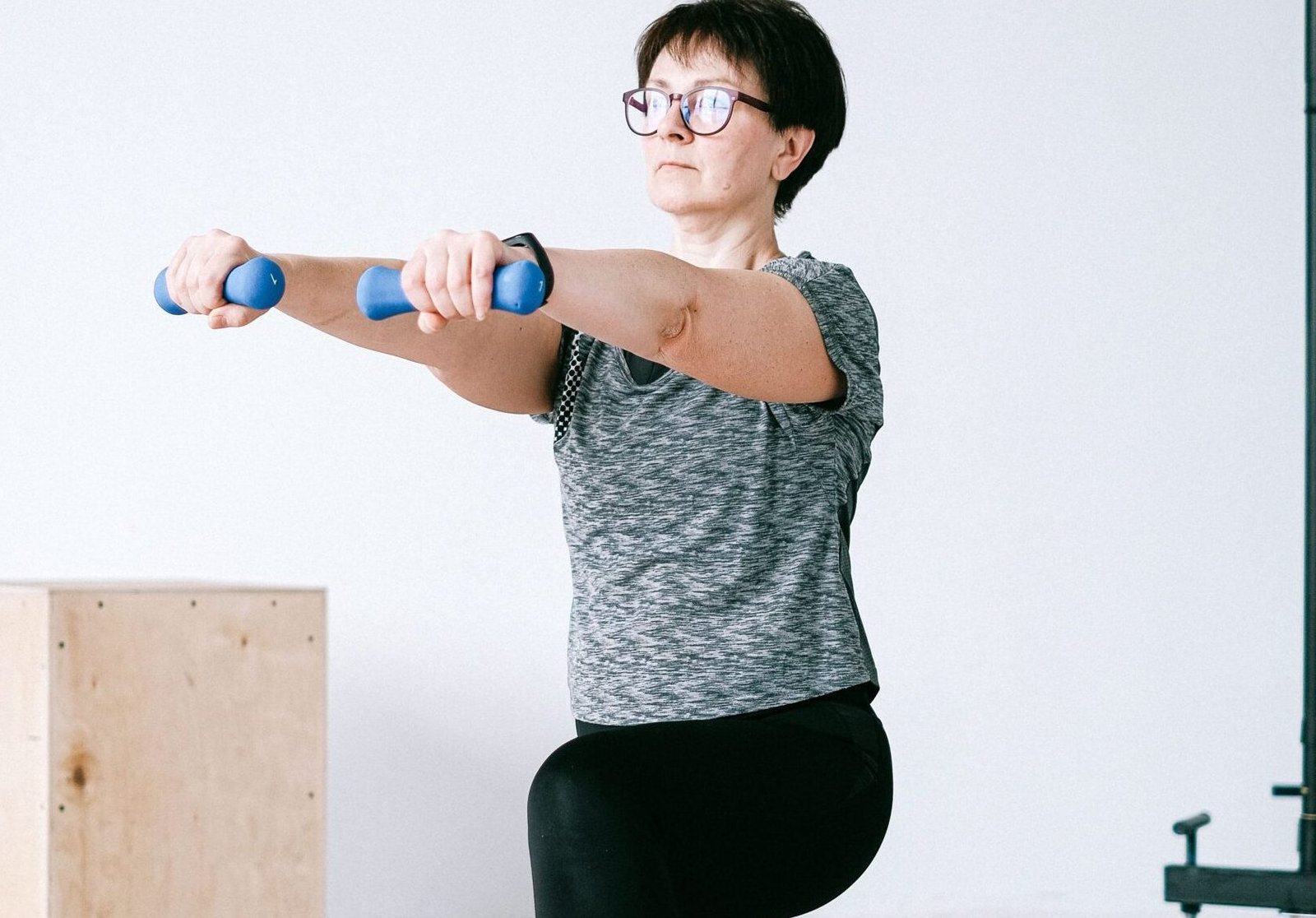
Regular exercise is one of the most important habits for maintaining a healthy lifestyle. Physical activity keeps the body active, strengthens muscles and bones, improves heart health, and supports mental well-being. Exercise also helps maintain a healthy body weight, improves energy levels, and reduces the risk of many chronic diseases.
In today’s modern world, many people spend long hours sitting at desks, using mobile phones, watching television, or working on computers. This sedentary lifestyle can negatively affect physical and mental health. Lack of physical activity may increase the risk of obesity, diabetes, heart disease, high blood pressure, weak muscles, and joint problems.
Therefore, it is important to make exercise a regular part of everyday life. People do not need expensive gym memberships or complicated workout equipment to remain physically active. Simple activities such as walking, jogging, cycling, stretching, and strength training can provide significant health benefits.
Walking is one of the easiest and most accessible forms of exercise. It improves cardiovascular health, strengthens the lower body, and helps maintain overall fitness. Strength training is equally important because it builds muscles, strengthens bones, improves balance, and supports physical independence.
Combining walking with strength training creates a balanced exercise routine that benefits the entire body. Developing a consistent exercise habit can improve quality of life and help people remain healthy, energetic, and active as they grow older.
1. Importance of Regular Exercise

Regular exercise is essential for maintaining physical fitness and general health. It helps the body perform daily activities more efficiently and improves the functioning of different organs and body systems.
Physical activity benefits people of all ages, including children, teenagers, adults, and older individuals.
The major benefits of regular exercise include:
- Improves heart and lung health.
- Strengthens muscles and bones.
- Helps maintain a healthy body weight.
- Improves blood circulation.
- Supports healthy blood sugar levels.
- Reduces stress and anxiety.
- Improves sleep quality.
- Increases energy and stamina.
- Improves balance and flexibility.
- Reduces the risk of several chronic diseases.
- Supports healthy aging.
- Improves confidence and overall well-being.
Exercise should not be considered only a way to lose weight. It is an important part of maintaining a healthy body and mind.
2. Walking: A Simple and Effective Exercise
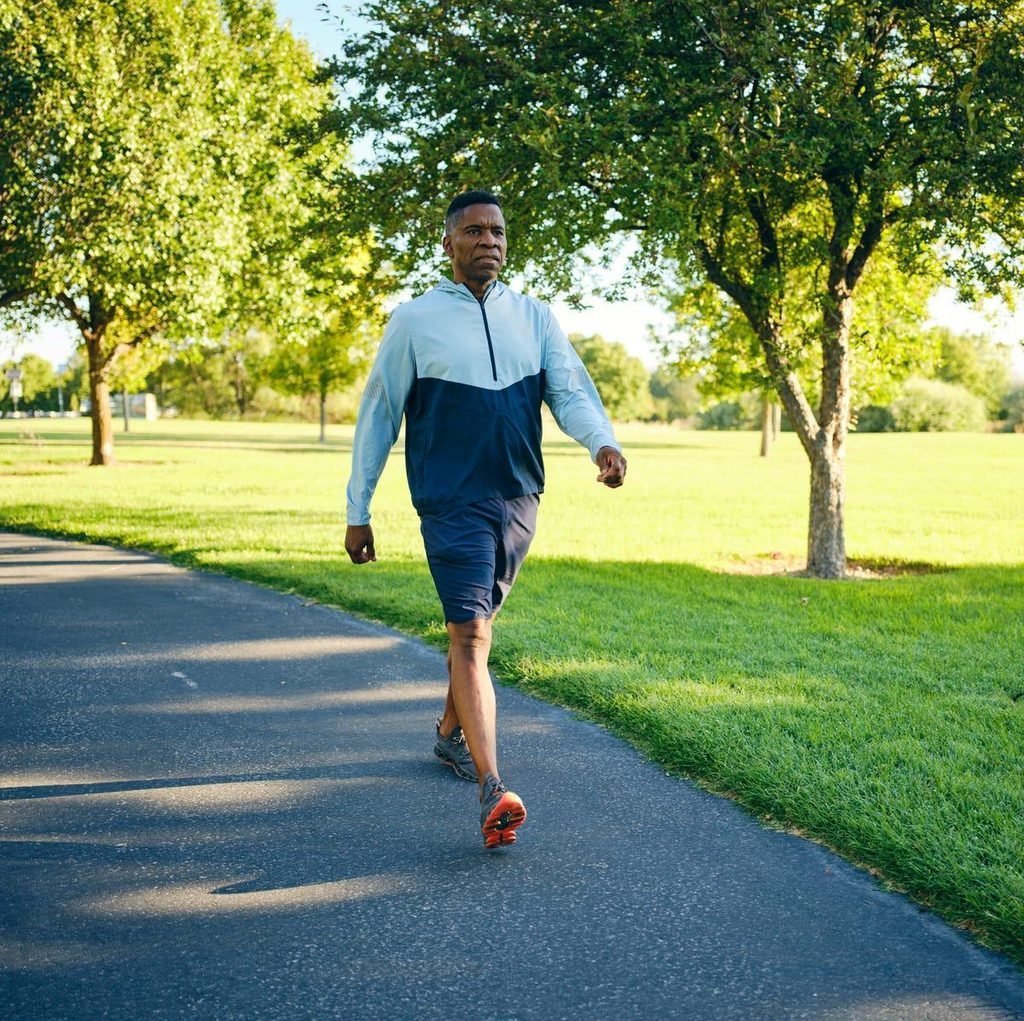
Walking is one of the simplest and most effective forms of physical activity. It does not require special skills, expensive equipment, or a gym membership. Almost anyone can include walking in their daily routine according to their physical ability.
Walking improves cardiovascular fitness, strengthens leg muscles, supports healthy weight management, and helps improve mental health.
Benefits of Walking
1. Improves Heart Health
Walking increases heart rate and improves blood circulation. Regular brisk walking strengthens the cardiovascular system and can help reduce the risk of heart disease and high blood pressure.
2. Helps Maintain Healthy Weight
Walking burns energy and supports weight management. Combining regular walking with a balanced diet can help prevent excessive weight gain.
3. Strengthens Muscles and Bones
Walking activates muscles in the legs, hips, and lower body. It is also a weight-bearing activity that helps maintain bone strength.
4. Improves Mental Health
Walking outdoors can help reduce stress, improve mood, and provide relaxation. Spending time in green spaces may also support emotional well-being.
5. Improves Digestion
Gentle walking after meals may support digestion and help regulate blood sugar levels.
6. Increases Energy Levels
Regular walking improves stamina and physical endurance. People who walk consistently may find daily activities easier to perform.
7. Supports Better Sleep
Physical activity can improve sleep quality and help establish a healthy sleeping routine.
How to Start a Walking Routine
People who are new to exercise should start slowly and gradually increase their walking duration.
A simple walking routine can include:
- Start with 10–15 minutes of comfortable walking.
- Walk at a steady pace.
- Gradually increase the duration.
- Aim for approximately 30 minutes of brisk walking on most days.
- Wear comfortable walking shoes.
- Choose safe and suitable walking areas.
- Drink enough water.
- Cool down by walking slowly for a few minutes.
Walking can be performed in parks, gardens, streets with safe pedestrian routes, indoor tracks, or on a treadmill.
Benefits of Morning Walking

Morning walking is a popular activity because it provides an opportunity to begin the day with movement and fresh air.
Some benefits include:
- Helps establish a healthy daily routine.
- Improves mood and alertness.
- Provides an opportunity to enjoy nature.
- Supports cardiovascular fitness.
- Encourages consistency in physical activity.
However, walking at any time of the day can be beneficial. The best time is the time that fits comfortably into your schedule.
3. Strength Training: Building Strong Muscles and Bones
Walking is one of the simplest and most effective forms of physical activity. It does not require special skills, expensive equipment, or a gym membership. Almost anyone can include walking in their daily routine according to their physical ability.
Walking improves cardiovascular fitness, strengthens leg muscles, supports healthy weight management, and helps improve mental health.
Benefits of Walking
1. Improves Heart Health
Walking increases heart rate and improves blood circulation. Regular brisk walking strengthens the cardiovascular system and can help reduce the risk of heart disease and high blood pressure.
2. Helps Maintain Healthy Weight
Walking burns energy and supports weight management. Combining regular walking with a balanced diet can help prevent excessive weight gain.
3. Strengthens Muscles and Bones
Walking activates muscles in the legs, hips, and lower body. It is also a weight-bearing activity that helps maintain bone strength.
4. Improves Mental Health
Walking outdoors can help reduce stress, improve mood, and provide relaxation. Spending time in green spaces may also support emotional well-being.
5. Improves Digestion
Gentle walking after meals may support digestion and help regulate blood sugar levels.
6. Increases Energy Levels
Regular walking improves stamina and physical endurance. People who walk consistently may find daily activities easier to perform.
7. Supports Better Sleep
Physical activity can improve sleep quality and help establish a healthy sleeping routine.
How to Start a Walking Routine
People who are new to exercise should start slowly and gradually increase their walking duration.
A simple walking routine can include:
- Start with 10–15 minutes of comfortable walking.
- Walk at a steady pace.
- Gradually increase the duration.
- Aim for approximately 30 minutes of brisk walking on most days.
- Wear comfortable walking shoes.
- Choose safe and suitable walking areas.
- Drink enough water.
- Cool down by walking slowly for a few minutes.
Walking can be performed in parks, gardens, streets with safe pedestrian routes, indoor tracks, or on a treadmill.
Benefits of Morning Walking
Morning walking is a popular activity because it provides an opportunity to begin the day with movement and fresh air.
Some benefits include:
- Helps establish a healthy daily routine.
- Improves mood and alertness.
- Provides an opportunity to enjoy nature.
- Supports cardiovascular fitness.
- Encourages consistency in physical activity.
However, walking at any time of the day can be beneficial. The best time is the time that fits comfortably into your schedule.
3. Strength Training: Building Strong Muscles and Bones
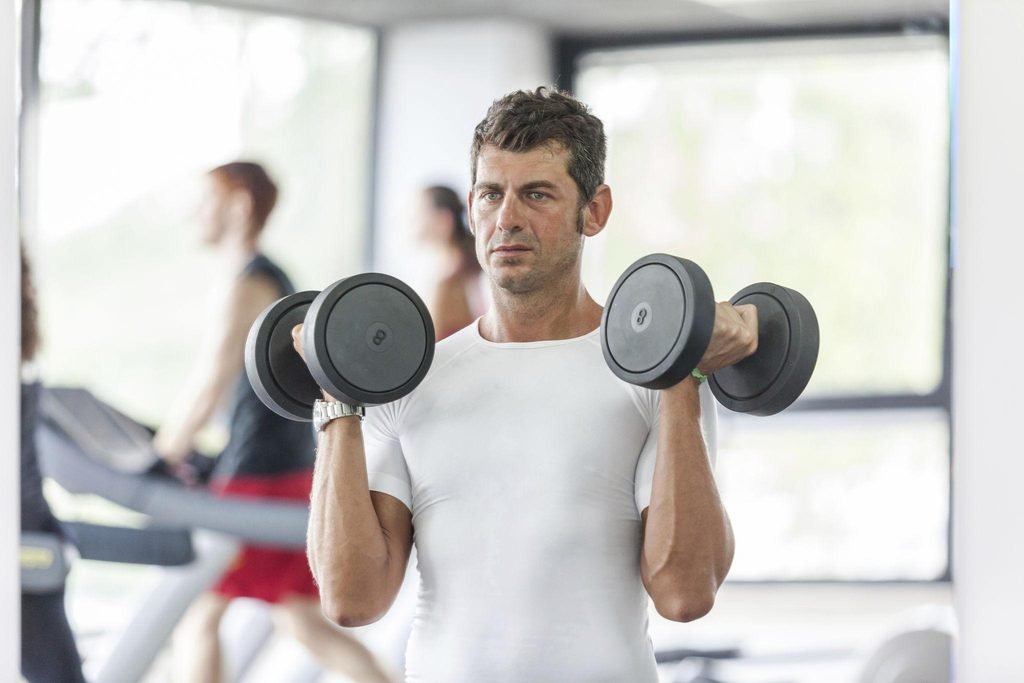
Strength training is a type of physical exercise that uses resistance to make muscles work harder. This resistance can come from dumbbells, barbells, resistance bands, weight machines, or body weight.
Strength training is important because muscles support movement, maintain posture, protect joints, and help people perform everyday activities.
It is beneficial for both men and women and can be adapted for beginners and older adults.
Benefits of Strength Training
1. Builds Muscle Strength
Strength training makes muscles stronger by challenging them against resistance. Strong muscles make everyday activities such as lifting objects, climbing stairs, carrying groceries, and standing easier.
2. Improves Bone Health
Resistance exercises place healthy stress on bones, helping maintain bone strength. This is particularly important as people grow older.
3. Supports Healthy Weight Management
Muscle tissue uses energy even when the body is resting. Building and maintaining muscle contributes to overall energy expenditure.
4. Improves Body Posture
Strengthening the muscles of the back, abdomen, shoulders, and hips can support better posture and body stability.
5. Protects Joint Function
Stronger muscles help support joints and improve movement control. Appropriate strength training can help people maintain mobility and physical function.
6. Improves Balance and Stability
Exercises that strengthen the legs and core muscles can improve balance and help reduce the risk of falls, especially in older adults.
7. Supports Healthy Blood Sugar Levels
Working muscles use glucose for energy. Regular resistance exercise can improve insulin sensitivity and support blood sugar management.
8. Improves Confidence
As people become stronger and more physically capable, they may experience greater confidence and satisfaction with their physical abilities.
4. Different Types of Strength Training Exercises
There are many exercises that can help develop muscle strength. Beginners should start with simple movements and gradually increase resistance as their strength improves.

1. Squats
Squats strengthen the thighs, hips, and gluteal muscles. They also help improve lower-body strength and mobility.

2. Push-Ups
Push-ups strengthen the chest, shoulders, triceps, and core muscles. Beginners can perform modified push-ups against a wall or on their knees.

3. Bicep Curls
Bicep curls use dumbbells or resistance bands to strengthen the muscles in the upper arms.

4. Planks
Planks strengthen the abdominal and core muscles and help improve body stability.

5. Resistance Band Rows
This exercise strengthens the back, shoulders, and arm muscles.

6. Lunges
Lunges strengthen the legs and hips while improving balance and coordination.
Strength training does not always require heavy weights. Beginners can use their own body weight and gradually progress to resistance bands or light dumbbells.
5. Combine Walking and Strength Training

Combining walking and strength training is an excellent way to develop a balanced fitness routine.
Walking mainly improves cardiovascular endurance, while strength training focuses on muscular strength and physical function.
Both activities complement each other and provide different health benefits.
Why Combine Both Activities?
- Walking strengthens cardiovascular fitness.
- Strength training develops muscular strength.
- Walking improves stamina and endurance.
- Resistance exercises help maintain bone density.
- Both activities support healthy weight management.
- Both improve physical and mental well-being.
- Together, they support healthy aging.
A balanced routine should also include flexibility and balance exercises.
6. Recommended Weekly Exercise Routine
The World Health Organization recommends that adults generally aim for:
- 150–300 minutes of moderate-intensity aerobic physical activity per week, or 75–150 minutes of vigorous-intensity activity.
- Muscle-strengthening activities involving major muscle groups on at least two days per week.
The following is an example of a simple weekly exercise schedule.
Monday
Walking and strength
30-minute brisk walk + strength training
Tuesday
Cardio
30-minute brisk walk
Wednesday
Walking and strength
20-minute walk + strength training
Thursday
Cardio and flexibility
30-minute walk + gentle stretching
Friday
Walking and strength
30-minute brisk walk + strength training
Saturday
Cardio
40-minute comfortable walk or cycling
Sunday
Recovery
Rest or gentle stretching
This schedule is an example, not a strict requirement. Beginners should start with shorter sessions and gradually build up their activity level.
7. Warm-Up and Cool-Down Before and After Exercise


Warming up and cooling down are important parts of an exercise routine.
Importance of Warming Up
A warm-up prepares the body for physical activity by gradually increasing heart rate and blood circulation.
Examples of warm-up activities include:
- Walking slowly for five minutes.
- Arm circles.
- Gentle leg swings.
- Shoulder movements.
- Marching in place.
- Gentle dynamic stretching.
A warm-up can help prepare muscles and joints for exercise.
Importance of Cooling Down
Cooling down allows the body to gradually return to its resting state after exercise.
Examples include:
- Walking slowly for five minutes.
- Gentle calf stretches.
- Hamstring stretches.
- Shoulder stretches.
- Deep, relaxed breathing.
Cooling down helps the body transition from exercise to rest.
8. Exercise and Weight Management
Regular exercise plays an important role in maintaining a healthy body weight.
Physical activity helps the body use energy and supports the balance between calories consumed and calories used.
Walking burns calories, while strength training helps develop and maintain muscle mass.
Combining exercise with healthy eating habits can support long-term weight management.
Useful habits include:
- Walking regularly.
- Performing strength exercises.
- Eating balanced meals.
- Drinking enough water.
- Avoiding excessive sugary drinks.
- Getting sufficient sleep.
- Maintaining consistency.
It is important to remember that weight management is not only about appearance. Maintaining muscle strength, cardiovascular fitness, and overall health is equally important.
9. Mental Health Benefits of Regular Exercise

Exercise benefits both the body and the mind. Physical activity can improve mood, reduce stress, and support emotional well-being.
A. Reduces Stress
Exercise can help reduce tension and provide a healthy way to manage everyday stress.
Walking outdoors, stretching, and participating in recreational activities can help people relax.
B. Improves Mood
Physical activity stimulates the release of chemicals in the brain associated with mood regulation and well-being.
People often feel happier and more relaxed after completing a workout.
C. Supports Better Sleep
Regular physical activity can improve sleep quality and help establish a healthier sleep routine.
D. Improves Concentration
Exercise increases blood flow and supports normal brain function. It may help improve attention, memory, and mental alertness.
E. Builds Self-Confidence
Achieving fitness goals and noticing improvements in strength and endurance can increase confidence and motivation.
10. Exercise for Different Age Groups
Exercise is beneficial throughout life, but the type and amount of physical activity should be appropriate for age and physical ability.
Children
Children should participate in regular active play, running, cycling, swimming, and sports. These activities support growth, coordination, strong bones, and healthy development.
Teenagers
Teenagers benefit from activities such as walking, swimming, cycling, sports, and age-appropriate strength exercises. Proper technique and supervision are important when using weights.
Adults
Adults should combine aerobic exercise, such as brisk walking, with muscle-strengthening activities. This combination supports cardiovascular health, muscle strength, and overall fitness.
Older Adults
Older adults benefit from walking, gentle resistance training, balance exercises, and stretching. These activities help maintain independence, mobility, and muscle strength.
People with existing health conditions or physical limitations should seek professional advice about suitable exercise programs.
11. Safety Tips for Exercising Regularly
Exercise provides many benefits, but it is important to perform activities safely.
Follow these precautions:
- Start slowly if you are new to exercise.
- Wear comfortable clothing and suitable shoes.
- Warm up before physical activity.
- Learn the correct technique for strength exercises.
- Avoid lifting weights that are too heavy.
- Drink enough water.
- Allow muscles time to recover.
- Avoid exercising through sharp or unusual pain.
- Choose safe walking areas.
- Exercise in cooler hours during hot weather.
- Take rest days when needed.
- Consult a healthcare professional before beginning vigorous exercise if you have a medical condition or significant health concerns.
If you experience chest pain, faintness, or severe shortness of breath during exercise, stop and seek medical attention.
12. Overcoming Common Barriers to Exercise
Many people want to exercise regularly but face challenges that make it difficult to maintain a routine.
Common Challenges
- Busy work or study schedules.
- Lack of motivation.
- Limited access to gyms.
- Bad weather.
- Financial limitations.
- Physical discomfort.
- Lack of exercise knowledge.
Practical Solutions
Make exercise part of your daily schedule: Choose a regular time for walking or strength training.
Start with small goals: Begin with 10 minutes of walking rather than trying to complete a long workout immediately.
Exercise at home: Bodyweight exercises such as squats, wall push-ups, and planks can be performed without gym equipment.
Walk with friends or family: Exercising with others can make physical activity more enjoyable.
Use stairs: Choose stairs instead of elevators when appropriate.
Track your progress: Record walking time, distance, and strength improvements.
Choose enjoyable activities: Walking, dancing, cycling, swimming, and sports are all useful forms of exercise.
Stay consistent: Regular moderate activity is generally more beneficial than occasional intense workouts followed by long periods of inactivity.
13. The Relationship Between Exercise, Nutrition, and Hydration


Exercise works best when combined with balanced nutrition and adequate hydration.
The body needs nutrients to provide energy, repair muscles, and recover after physical activity.
Important nutritional habits include:
- Eat fruits and vegetables for vitamins, minerals, and fiber.
- Include lean protein to support muscle repair and growth.
- Choose whole grains for energy.
- Include healthy fats in moderate amounts.
- Drink water before, during, and after exercise.
- Eat enough food to meet your energy requirements.
After strength training, a meal containing protein and carbohydrates can help support recovery.
Sleep is also important because the body repairs and adapts during periods of rest.
14. Long-Term Benefits of an Active Lifestyle
Making exercise a lifelong habit can provide important benefits over time.
- Better cardiovascular health.
- Stronger muscles and bones.
- Improved balance and coordination.
- Better mobility and flexibility.
- Reduced risk of several chronic diseases.
- Improved blood sugar regulation.
- Better mental well-being.
- Increased stamina and endurance.
- Greater independence in older age.
- Improved overall quality of life.
Regular exercise is an investment in future health. Even small amounts of physical activity can make a positive difference when performed consistently.
Conclusion
Regular exercise, including walking and strength training, is essential for maintaining a healthy and active lifestyle. Walking is a simple and effective activity that improves heart health, increases stamina, supports weight management, and benefits mental well-being. Strength training builds muscles, strengthens bones, improves posture, and supports balance and physical independence.
Combining these two activities provides a balanced approach to fitness because they improve different aspects of physical health. Adding stretching, balance exercises, and adequate rest can make an exercise routine even more effective.
People do not need expensive equipment or complicated workout programs to remain active. Walking in a nearby park, using stairs, performing bodyweight exercises at home, and lifting light weights are practical ways to stay physically fit.
The most important factor is consistency. Start with simple activities, gradually increase exercise time and intensity, and choose activities that are enjoyable and suitable for your physical condition.
Remember that regular movement is one of the best investments you can make in your health. Walk every day, strengthen your muscles, stay active, and make exercise a permanent part of your lifestyle.









Leave a Reply