
Introduction
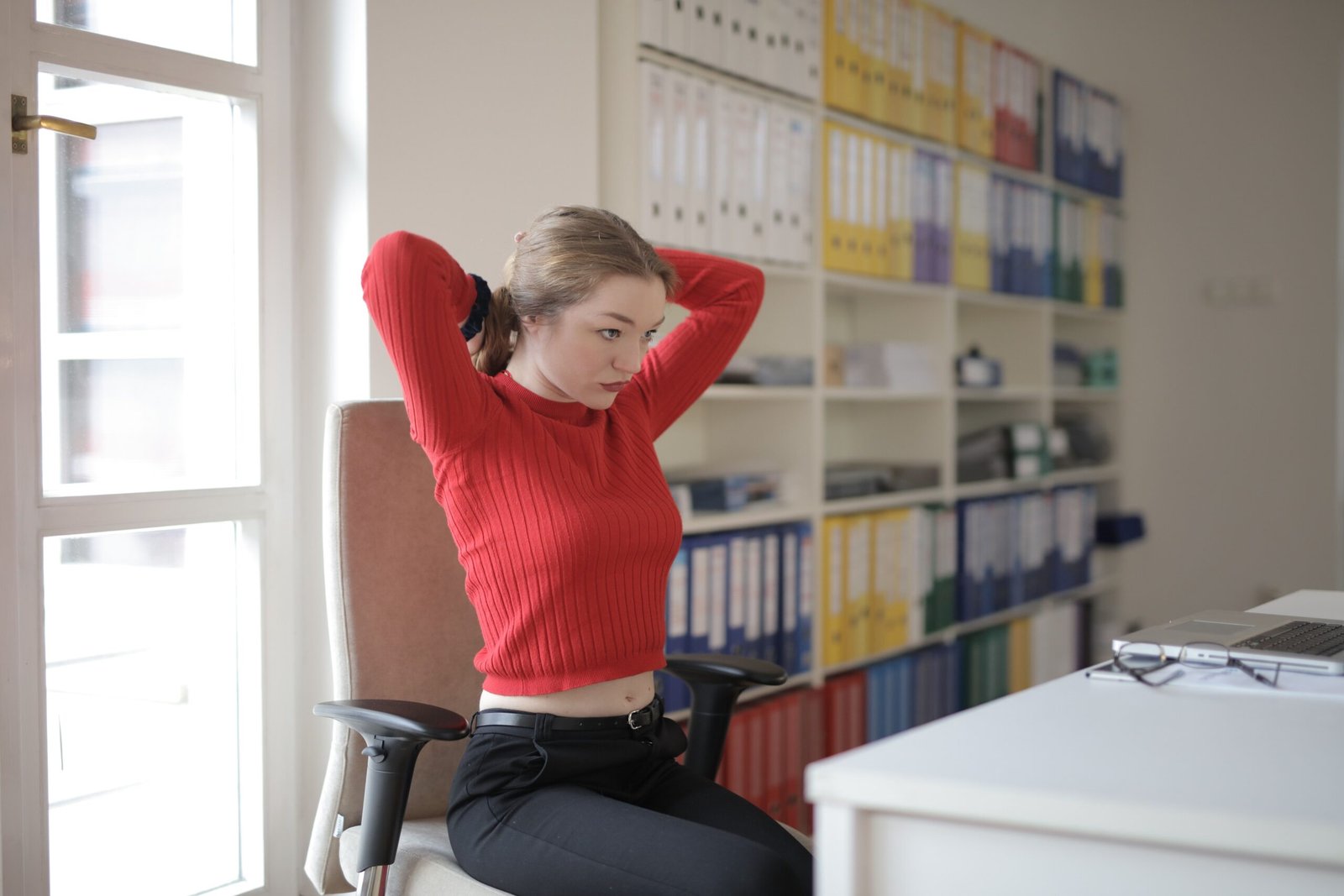
Staying active is one of the most important habits for maintaining a healthy body and mind. In today’s modern world, many people spend most of their day sitting. Students sit in classrooms, office workers sit in front of computers, drivers spend hours behind the steering wheel, and many people spend their free time watching television or using mobile phones. Although sitting is a normal part of daily life, sitting for long periods without movement can negatively affect our health.
Physical activity does not necessarily mean going to the gym, running long distances, or participating in sports. Simple activities such as walking, stretching, standing, climbing stairs, and doing household chores can help keep the body active. Making small changes to our daily routine can improve our physical fitness, mental well-being, and overall quality of life.
The message “Stay Active: Avoid Sitting for Long Periods” reminds us that movement is essential for good health. We should try to include physical activity throughout the day instead of remaining in one position for several hours.
1. Understanding the Importance of Staying Active
The human body is designed to move. Our muscles, bones, joints, heart, and lungs all work together to help us perform different physical activities. Regular movement keeps these body systems functioning properly.
When we remain inactive for long periods, our muscles may become weak, our joints may feel stiff, and our bodies may become less efficient at using energy. A sedentary lifestyle can also increase the risk of several health problems.
Staying active helps the body in many ways:
- It strengthens muscles and bones.
- It improves blood circulation.
- It supports heart and lung health.
- It helps maintain a healthy body weight.
- It improves flexibility and balance.
- It increases energy levels.
- It supports better sleep.
- It reduces stress and improves mood.
Being physically active does not require expensive equipment or special facilities. Even simple movements performed regularly can make a meaningful difference.
2. What Is a Sedentary Lifestyle?
A sedentary lifestyle is a way of living in which a person spends most of their waking hours sitting or lying down while using very little energy.
Some common sedentary activities include:
- Watching television for several hours.
- Playing video games continuously.
- Using mobile phones for long periods.
- Working at a desk throughout the day.
- Sitting in classrooms without movement breaks.
- Travelling for long distances in cars or buses.
- Spending excessive time on computers.
- Reading or studying for hours without standing up.
Technology has made life easier and more convenient, but it has also reduced the amount of physical movement in our daily routines.
For example, people can now order food online instead of walking to a nearby shop. Students can attend online classes, and employees can work remotely without leaving their homes. Although these activities offer convenience, they can also encourage prolonged sitting.
A sedentary lifestyle does not mean that a person never exercises. Someone may visit the gym for an hour but still spend the remaining part of the day sitting. Therefore, it is important to combine planned exercise with regular movement throughout the day.
3. Health Risks of Sitting for Long Periods
Sitting for long periods without breaks may affect different parts of the body. The risks can increase when prolonged sitting becomes a regular habit and is combined with insufficient physical activity.
A. Weight Gain and Obesity
When we sit for extended periods, we use less energy than when we walk or move around. If we regularly consume more calories than our bodies use, the extra energy may be stored as fat.
Over time, this can contribute to weight gain and obesity. Excess body weight can increase the risk of various health conditions, including type 2 diabetes, high blood pressure, and heart disease.
Regular movement helps the body use energy and supports a healthy weight.
B. Heart Problems
The heart is responsible for pumping blood throughout the body. Physical activity strengthens the cardiovascular system and helps improve circulation.
Long periods of inactivity are associated with an increased risk of cardiovascular diseases. People who spend most of their day sitting may have a higher risk of developing heart-related problems, particularly when they do not exercise regularly.
Walking, cycling, swimming, and other physical activities can support heart health.
C. Back and Neck Pain
One of the most common problems associated with prolonged sitting is discomfort in the back and neck.
Sitting in an incorrect position can place pressure on the spine and surrounding muscles. Looking down at a mobile phone for long periods can also cause neck discomfort.
Poor posture may contribute to:
- Lower back pain.
- Neck stiffness.
- Shoulder tension.
- Muscle fatigue.
- Reduced flexibility.
Taking movement breaks, maintaining proper posture, and performing gentle stretches can help reduce discomfort.
D. Poor Blood Circulation
When a person sits for too long, the muscles in the legs remain inactive. This reduces the regular muscle contractions that help blood return from the legs toward the heart.
Prolonged sitting may contribute to swelling, discomfort, and poor circulation. In some situations, especially during long journeys or in people with additional risk factors, immobility can increase the risk of blood clots.
Standing up and walking regularly helps activate the leg muscles and supports circulation.
E. Increased Risk of Type 2 Diabetes
Physical activity helps the body regulate blood sugar levels. When muscles are active, they use glucose for energy.
Long periods of inactivity are associated with an increased risk of insulin resistance and type 2 diabetes.
Breaking up sitting time with light physical activity can support better blood sugar regulation, particularly when combined with a balanced diet and regular exercise.
F. Weak Muscles and Bones
Muscles need regular use to remain strong. When we do not move enough, our muscles may gradually lose strength and endurance.
Weight-bearing activities such as walking, climbing stairs, and resistance exercises help maintain muscle strength and support bone health.
Regular movement is particularly important for older adults because it helps maintain mobility, balance, and independence.
4. Benefits of Taking Regular Movement Breaks
Taking short breaks from sitting can provide several benefits. Even a few minutes of movement can help reduce stiffness and make us feel more comfortable.
Improved Blood Circulation
Standing and walking activate the muscles of the legs and help blood circulate throughout the body.
Better Posture
Movement breaks allow the body to change position and reduce the strain caused by remaining in the same posture.
Increased Energy
Sitting continuously can make people feel tired and sluggish. A short walk or stretching session can help refresh the body and mind.
Improved Concentration
Movement breaks can help students and office workers feel more alert. They may also reduce mental fatigue and support productivity.
Reduced Muscle Stiffness
Changing positions and stretching regularly can help reduce stiffness in the neck, shoulders, hips, and legs.
Better Mental Health
Physical activity stimulates the release of chemicals in the brain that contribute to improved mood. Walking, dancing, cycling, and other activities can help reduce stress and anxiety.
5. Simple Ways to Avoid Sitting for Long Periods
It is not necessary to make major changes to your lifestyle immediately. Small, consistent habits can help you become more active.
A. Take Short Walking Breaks
Try to stand up and walk around regularly during your working or studying hours.
For example, after completing a study session, walk around your room or home for a few minutes. If you work in an office, walk to get a glass of water or take a short walk during your break.
A practical reminder is to avoid sitting continuously for an hour whenever possible.
B. Stand While Talking on the Phone
Instead of sitting while making phone calls, try standing or walking around.
This simple habit adds movement to your daily routine without requiring additional time.
C. Use the Stairs
Whenever practical and safe, choose stairs instead of elevators or escalators.
Climbing stairs is a useful physical activity because it works the muscles of the legs and increases the heart rate.
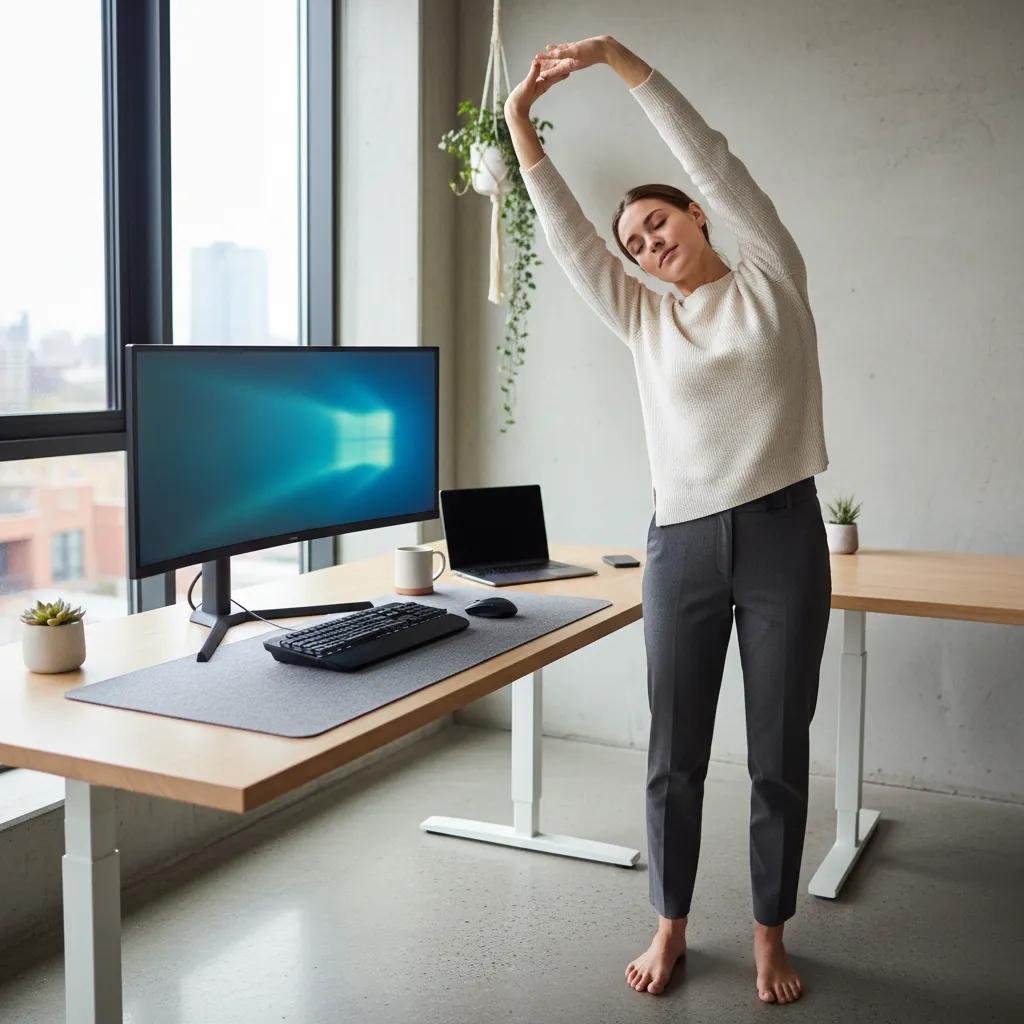
D. Stretch Your Body Regularly
Stretching helps maintain flexibility and reduce muscle stiffness.
Some simple stretches include:
- Neck rotations.
- Shoulder rolls.
- Arm stretches.
- Gentle back stretches.
- Leg stretches.
- Ankle circles.
Perform these movements gently and avoid stretching to the point of pain.
E. Walk During Breaks
Instead of spending every break on your mobile phone, use some of that time to walk.
You can walk around your home, workplace, school, or nearby park.
Walking is one of the easiest and most affordable ways to remain physically active.
F. Do Household Activities
Household chores can also help increase daily physical activity.
Examples include:
- Sweeping and mopping floors.
- Washing dishes.
- Cleaning rooms.
- Gardening.
- Organising cupboards.
- Washing clothes.
- Preparing meals.
These activities involve movement and help reduce unnecessary sitting.
G. Limit Screen Time
Excessive use of televisions, computers, tablets, and mobile phones can encourage prolonged sitting.
Try to take regular breaks from screens. During leisure time, choose activities such as walking, playing outdoor games, gardening, or spending time with family.
6. Staying Active at School and College
Students often spend many hours sitting in classrooms, libraries, and study areas. Although studying is important, physical movement is also necessary for maintaining good health.
Students can adopt the following habits:
- Stand up and stretch between study sessions.
- Walk around during breaks.
- Participate in sports and physical education.
- Walk to nearby places when practical.
- Use stairs instead of elevators.
- Avoid using mobile phones continuously during free time.
- Take short movement breaks while studying at home.
Students can also follow a study routine that includes movement.
For example, after studying for 40–50 minutes, take a short break to stand, stretch, and walk around.
This can help reduce tiredness and improve concentration.

7. Staying Active at the Workplace
Office employees and people who work from home often spend long periods sitting in front of computers.
A few simple adjustments can make the workplace healthier.
- Set reminders to stand and move.
- Take walking breaks between tasks.
- Use a standing desk if available.
- Walk during lunch breaks.
- Stand while reading short documents.
- Keep frequently used items at a reasonable distance so that you occasionally change positions.
- Perform gentle shoulder and neck movements.
- Walk to speak with colleagues when appropriate instead of always sending messages.
A comfortable and properly arranged workstation is also important. The computer screen should be positioned at a suitable height, and the chair should support the back.
Standing desks can be useful, but standing continuously for hours is not ideal either. The best approach is to alternate between sitting, standing, and moving.
8. The Role of Exercise in an Active Lifestyle
Avoiding prolonged sitting is important, but it should be combined with regular exercise.
Walking
Walking is a simple and accessible form of exercise. It can improve cardiovascular fitness, support weight management, and strengthen the muscles of the legs.
Cycling
Cycling is an enjoyable activity that improves stamina and strengthens the lower body.
Swimming
Swimming works several muscle groups and improves cardiovascular fitness. It is also a low-impact activity.
Yoga
Yoga combines movement, stretching, breathing, and relaxation. It can improve flexibility, balance, and mental well-being.
Dancing
Dancing is a fun way to stay active. It improves coordination, increases energy expenditure, and can help improve mood.
Playing Sports
Activities such as football, cricket, badminton, basketball, and volleyball encourage regular movement and develop teamwork.
9. Recommended Physical Activity for Different Age Groups
Different age groups have different physical activity needs.
| Age group | Recommended activity |
|---|---|
| Children (3–5 years) | Active play throughout the day |
| Children and teenagers (5–17 years) | Average of 60 minutes of moderate-to-vigorous activity daily |
| Adults (18–64 years) | 150–300 minutes of moderate activity weekly, or 75–150 minutes of vigorous activity |
| Older adults (65+ years) | Regular aerobic activity, strength exercises, and balance activities according to ability |
These recommendations are based on general World Health Organization physical activity guidance.
Adults should also perform muscle-strengthening activities involving major muscle groups at least twice a week, if their health and physical ability allow.
Older adults should choose suitable activities according to their health conditions, fitness levels, and mobility.
10. The Importance of Mental Health
Staying active is not only beneficial for physical health. It also supports emotional and psychological well-being.
People who engage in regular physical activity often experience improvements in mood, confidence, and stress management.
Reduces Stress
Walking and other forms of exercise can help reduce tension and provide a healthy way to manage everyday stress.
Improves Mood
Physical activity can stimulate the release of endorphins and other brain chemicals associated with positive feelings.
Supports Better Sleep
Regular movement can help improve sleep quality and make it easier to establish a healthy sleeping routine.
Improves Self-Confidence
Achieving physical activity goals can increase confidence and create a sense of accomplishment.
Supports Brain Function
Physical activity supports brain health and may improve attention, memory, and cognitive function.
Taking a short walk outside can also provide a refreshing break from daily responsibilities.
11. How Technology Can Help Us Stay Active
Although technology can encourage inactivity, it can also help people develop healthier habits.
Modern devices and applications offer different tools to encourage movement.
Examples include:
- Fitness trackers that count daily steps.
- Smartwatches that remind users to stand.
- Mobile applications that record physical activity.
- Exercise videos that provide guided workouts.
- Online fitness programmes.
- Digital calendars that schedule walking breaks.
For example, a person can set an alarm every 45 minutes as a reminder to stand up and move.
However, technology should be used wisely. Spending excessive time checking fitness statistics or using mobile applications should not replace actual physical activity.
12. Creating a Daily Routine to Stay Active
Developing a daily routine makes it easier to avoid prolonged sitting.
The following example demonstrates how a person can include movement throughout the day.
A simple daily activity schedule
- 6:30 AM – Morning walkStart the day with a 15–20-minute walk.
- 7:00 AM – Light stretchingPerform gentle stretches to prepare the body for the day.
- 9:00 AM – Study or workSit comfortably and maintain proper posture.
- 10:00 AM – Movement breakStand, walk, and stretch for a few minutes.
- 12:00 PM – Active breakWalk around instead of spending the entire break sitting.
- 2:00 PM – Afternoon movementTake a short walk or perform some gentle exercises.
- 5:00 PM – Physical activityParticipate in cycling, sports, brisk walking, or another enjoyable activity.
- 8:00 PM – Light movementWalk gently after dinner if comfortable.
- Before bedtimeReduce screen time and prepare for a relaxing night’s sleep.
Example schedule; adjust the times and activities to your daily responsibilities and physical ability.
13. Tips for Developing a Habit of Staying Active
Developing an active lifestyle requires consistency, patience, and motivation.
Here are some useful tips:
1. Start slowly: If you are not used to exercise, begin with short walks and gradually increase your activity.
2. Set realistic goals: Choose achievable daily or weekly movement goals.
3. Choose enjoyable activities: Select activities that you genuinely enjoy, such as walking, dancing, cycling, or playing sports.
4. Find an activity partner: Walking or exercising with friends and family can make physical activity more enjoyable.
5. Use reminders: Set alarms to remind yourself to stand and move regularly.
6. Track your progress: Record your walking time, exercise sessions, or daily steps.
7. Be consistent: Regular movement is more beneficial than exercising intensely once in a while.
8. Avoid unnecessary screen time: Spend less leisure time sitting with electronic devices.
9. Make movement part of everyday life: Walk short distances, use stairs, and perform household chores.
10. Listen to your body: Avoid overexertion and choose activities appropriate for your fitness level.
14. The Role of Family and Society
Families, schools, workplaces, and communities can all encourage people to become more active.
Parents can motivate children to play outdoor games instead of spending excessive time watching television or using mobile phones.
Schools can organise sports competitions, physical education classes, and outdoor activities.
Workplaces can encourage employees to take movement breaks and provide facilities that support physical activity.
Communities can create parks, walking tracks, playgrounds, and cycling paths where people can exercise safely.
Public awareness campaigns can also educate people about the risks of prolonged sitting and the importance of physical activity.
When families and communities support an active lifestyle, individuals are more likely to develop healthy habits.
15. Overcoming Common Challenges
Some people find it difficult to remain active because of busy schedules, lack of motivation, limited space, or physical limitations.
However, these challenges can often be managed through small lifestyle changes.
Lack of Time
People with busy schedules can divide physical activity into shorter sessions throughout the day. A few minutes of walking during different breaks can add up.
Lack of Motivation
Choosing enjoyable activities, listening to music while walking, or exercising with friends can make movement more interesting.
Limited Space
People living in small homes can perform simple activities such as marching in place, stretching, standing exercises, and indoor walking.
Bad Weather
During rainy or extremely hot weather, people can walk indoors, use stairs, or follow safe indoor exercise routines.
Physical Limitations
People with mobility difficulties or health concerns can choose suitable movements with guidance from a healthcare professional or physiotherapist.
The most important thing is to find a safe and practical way to move regularly.
16. Building a Healthier Future
An active lifestyle is an investment in long-term health. The habits we develop today can influence our health and independence in the future.
Children who learn to enjoy physical activity may be more likely to maintain healthy habits as adults. Adults who regularly move can improve their fitness and reduce the risks associated with inactivity.
Older adults can benefit from suitable physical activities that help preserve strength, balance, and mobility.
Staying active is not about achieving a perfect body or becoming an athlete. It is about keeping the body healthy, maintaining independence, and improving everyday life.
Every step counts. Even small activities, when performed consistently, can contribute to better health.
Conclusion
Staying active and avoiding sitting for long periods are essential parts of a healthy lifestyle. Although modern technology and busy schedules encourage us to spend more time sitting, we should make a conscious effort to include movement in our daily routines.
Prolonged sitting is associated with several health risks, including obesity, cardiovascular disease, type 2 diabetes, muscle weakness, and poor physical fitness. Regular movement can help reduce these risks and support better physical and mental well-being.
We can remain active by taking short walking breaks, stretching regularly, using stairs, participating in sports, performing household chores, and limiting unnecessary screen time. Students, office workers, older adults, and children can all benefit from incorporating movement into their daily lives.
We should remember that exercise does not always require a gym or expensive equipment. Walking, dancing, cycling, gardening, and playing outdoor games are simple ways to stay healthy.
Most importantly, we should avoid remaining in one position for too long. Instead of sitting continuously, we should stand, stretch, walk, and move throughout the day.
A healthy lifestyle begins with small steps. Move more, sit less, and make physical activity a regular part of your life. Your body will thank you in the long run.






Leave a Reply