

Introduction
Maintaining a healthy body and losing excess weight are common fitness goals for people of all ages. However, busy schedules, expensive gym memberships, and limited access to fitness facilities can make regular exercise difficult. The good news is that you do not need a gym to improve your fitness. A simple 30-minute home workout routine can help you stay active, strengthen your muscles, improve endurance, and support healthy weight management.
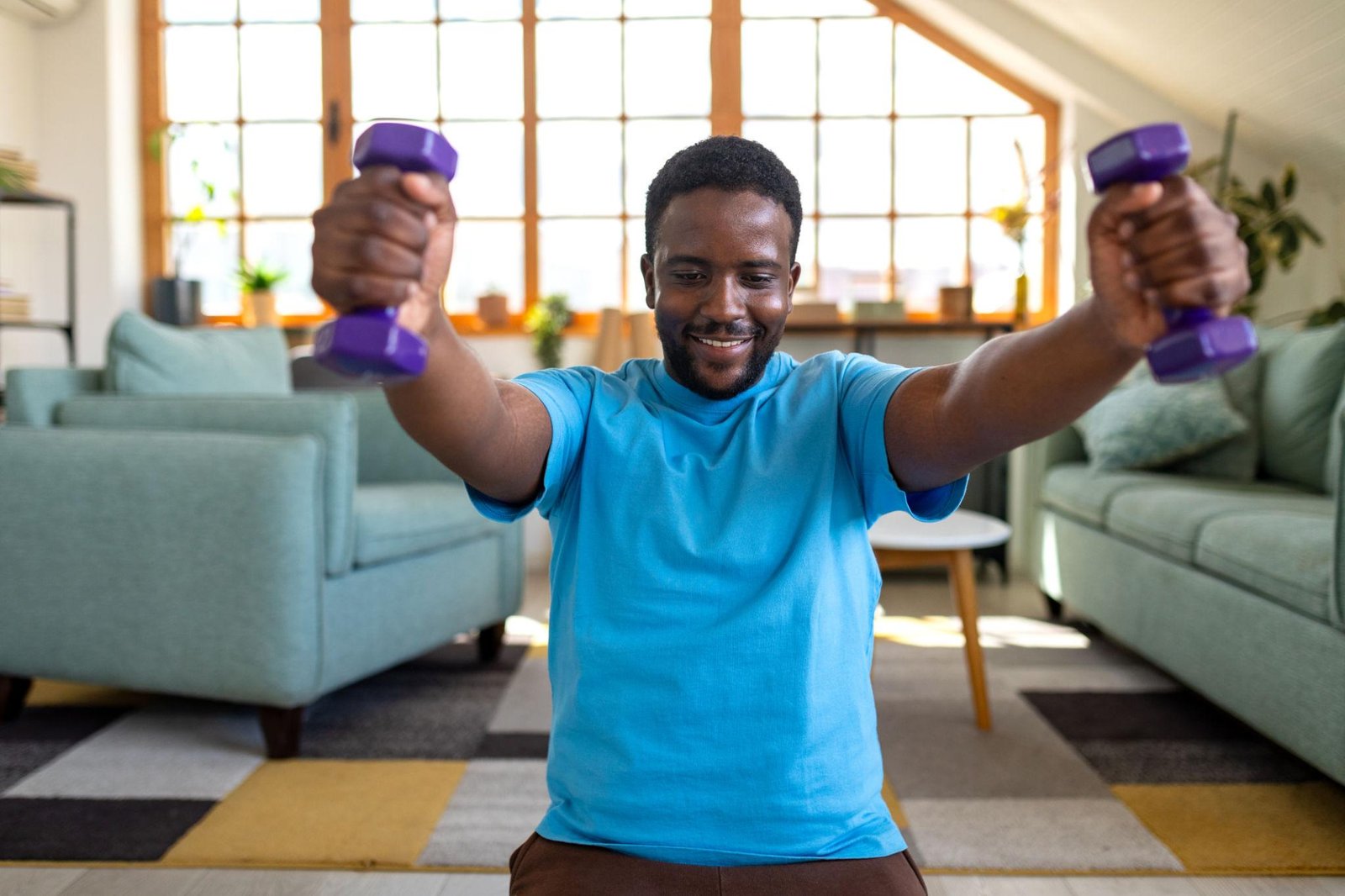
Home workouts are becoming increasingly popular because they are convenient, affordable, and easy to fit into everyday life. Whether you are a student, office worker, homemaker, or someone who spends most of the day sitting, exercising at home can help you develop healthier habits.
A well-planned workout should include cardiovascular exercises, strength training, core movements, and stretching. Combining these activities helps engage different muscle groups while improving your overall physical fitness.
The most important thing to understand is that weight loss does not happen overnight. It requires consistency, balanced nutrition, sufficient sleep, and regular physical activity. Instead of following extreme exercise programs, choose a routine that you can comfortably maintain.
This complete guide explains how to follow a 30-minute daily home workout routine for weight loss, which exercises to perform, how to structure your weekly schedule, and what lifestyle changes can help you achieve better results.
Why Is a 30-Minute Home Workout Effective?
You do not need to spend several hours exercising to improve your health. A carefully planned 30-minute session can provide meaningful physical activity, especially when performed consistently.
Here are some important reasons to include short workouts in your daily routine.
1. Helps Increase Daily Calorie Expenditure
Physical activity requires energy. When you perform exercises such as jogging in place, squats, jumping jacks, and mountain climbers, your body uses energy to complete these movements.
Regular exercise can increase your daily calorie expenditure and contribute to weight management. When combined with an appropriate eating pattern, it can help create the calorie deficit needed for weight loss.
2. Improves Muscle Strength
Weight loss is not only about reducing body weight. Maintaining muscle strength is also important for overall health.
Bodyweight exercises such as push-ups, lunges, squats, and planks help activate different muscle groups. Strength training can help preserve muscle mass while you work toward reducing excess body fat.
3. Supports Heart Health
Cardiovascular exercises increase your heart rate and challenge your heart and lungs.
Activities such as brisk walking, dancing, cycling, and low-impact cardio can improve cardiovascular endurance when performed regularly.
4. Fits Easily Into a Busy Schedule
One of the biggest advantages of a 30-minute workout is convenience.
You can exercise before breakfast, after work, or whenever you have free time. There is no need to spend additional time travelling to a fitness centre.
5. Encourages a Healthy Lifestyle
Regular workouts can improve your mood, help manage everyday stress, and support better sleep.
Developing a consistent exercise habit can also encourage healthier eating and greater awareness of your overall well-being.
The Best 30-Minute Home Workout Structure
To make your exercise session effective, divide your 30 minutes into different stages.
Each stage has a specific purpose, from preparing your body for physical activity to improving endurance and allowing your muscles to relax afterward.

| Workout stage | Time | Purpose |
|---|---|---|
| Warm-up | 5 minutes | Prepare muscles and joints |
| Cardio training | 10 minutes | Improve endurance |
| Strength training | 10 minutes | Strengthen major muscles |
| Cool-down | 5 minutes | Relax and stretch |
You can adjust the exercises and intensity according to your current fitness level. Beginners should start slowly and take additional rest whenever necessary.
Part 1: Warm-Up Exercises (5 Minutes)
A warm-up is an essential part of every workout. It prepares your body for exercise by gradually increasing movement and blood circulation.
Skipping the warm-up and immediately performing intense exercises may make your workout uncomfortable.
Try these simple movements before beginning your main routine.
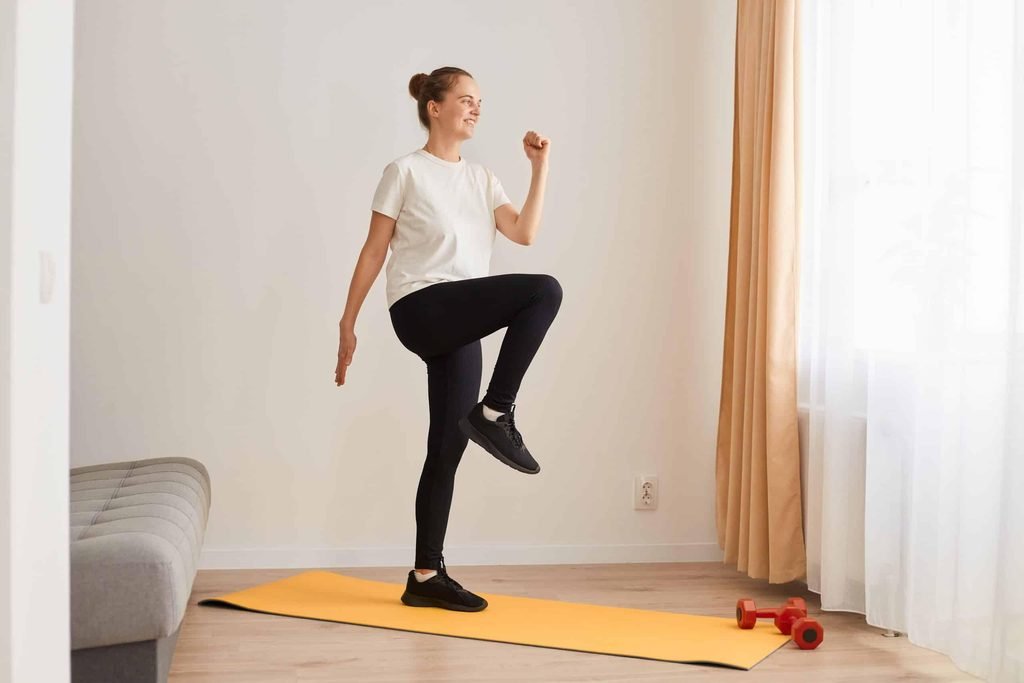
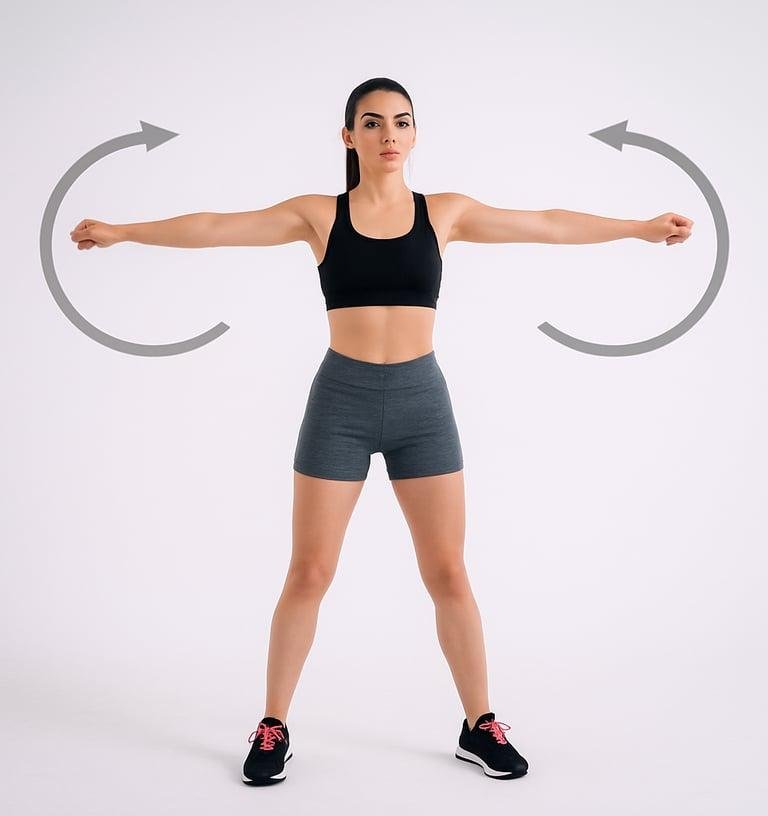
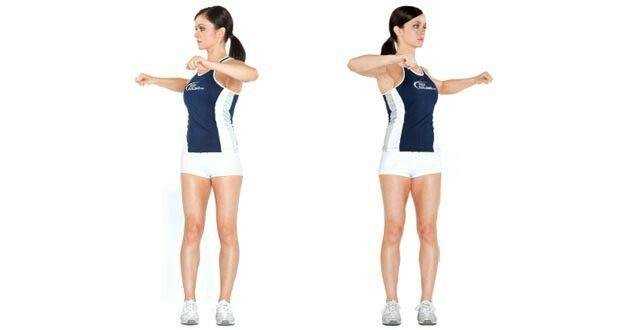
Marching in Place
Marching in place is an easy way to begin your workout. Stand upright, lift your knees alternately, and swing your arms naturally. Continue for approximately one minute.
Arm Circles
Extend your arms sideways and make small circular movements. Gradually increase the size of the circles. Perform the movement for approximately 30 seconds.
Standing Side Steps
Step to your right and bring your left foot toward it. Repeat in the opposite direction. Continue moving from side to side for one minute.
Gentle Squats
Stand with your feet shoulder-width apart and slowly bend your knees. Lower your hips slightly before returning to standing. Perform this movement for one minute.
Gentle Knee Raises
Stand straight and lift one knee at a time toward your waist. Continue alternating for approximately 90 seconds.
Part 2: Cardio Workout for Weight Loss (10 Minutes)
Cardiovascular training is an important part of a home weight-loss routine. It helps increase your heart rate, improve stamina, and increase energy expenditure.
You can perform these exercises in a small space without purchasing any equipment.
1. Jumping Jacks

Jumping jacks are a popular full-body cardiovascular exercise that activates your legs, shoulders, and core.
How to perform:
- Stand straight with your feet together.
- Keep your arms beside your body.
- Jump and spread your legs apart.
- Raise your arms above your head.
- Jump again and return to your starting position.
- Continue at a steady pace.
Recommended duration: 40 seconds, followed by 20 seconds of rest.
Main benefits:
- Improves cardiovascular endurance.
- Activates several muscle groups.
- Improves coordination.
- Increases physical activity.
If jumping is uncomfortable, use a low-impact version by stepping your feet outward one at a time.
2. High Knees
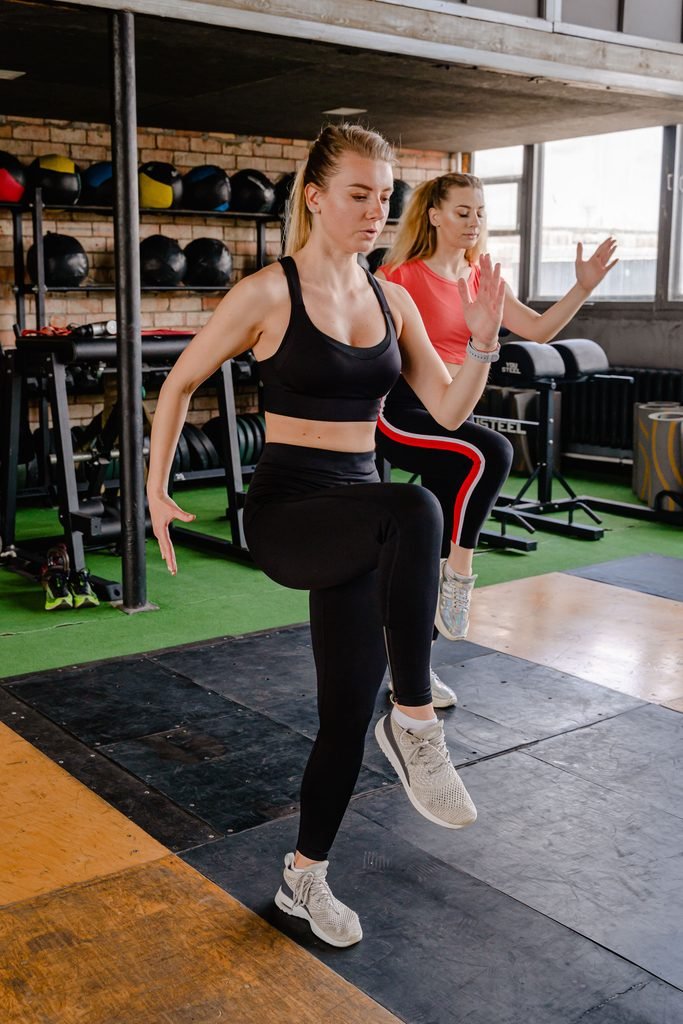
High knees are an effective exercise for increasing your heart rate while strengthening your lower-body muscles.
How to perform:
- Stand upright with your feet slightly apart.
- Lift your right knee toward your waist.
- Lower your right foot.
- Raise your left knee.
- Continue alternating your legs.
- Move your arms naturally.
Recommended duration: 40 seconds, followed by 20 seconds of rest.
Main benefits:
- Develops lower-body endurance.
- Improves coordination.
- Engages your abdominal muscles.
- Supports cardiovascular fitness.
Beginners can perform slow marching knee raises instead of running.
3. Mountain Climbers

Mountain climbers combine cardiovascular activity with core strengthening.
How to perform:
- Begin in a high plank position.
- Place your hands directly below your shoulders.
- Bring your right knee toward your chest.
- Extend your right leg backward.
- Bring your left knee forward.
- Continue alternating.
Recommended duration: 30–40 seconds, followed by rest.
Main benefits:
- Strengthens your core.
- Improves physical endurance.
- Activates your shoulders and legs.
- Challenges your cardiovascular system.
Maintain a stable upper-body position throughout the exercise.
4. Butt Kicks

Butt kicks are a simple cardiovascular movement that activates your hamstrings and other lower-body muscles.
How to perform:
- Stand comfortably.
- Begin jogging slowly in place.
- Bend your right knee and bring your heel toward your glutes.
- Repeat with your left leg.
- Continue alternating.
- Swing your arms naturally.
Recommended duration: 40 seconds, followed by 20 seconds of rest.
Main benefits:
- Activates the hamstrings.
- Improves coordination.
- Increases heart rate.
- Develops lower-body endurance.
5. Low-Impact Side Steps

Side steps are a great option for people who want cardiovascular exercise without jumping.
How to perform:
- Stand with your feet together.
- Step your right foot sideways.
- Bring your left foot toward your right foot.
- Repeat in the opposite direction.
- Continue alternating sides.
- Add gentle arm movements for extra activity.
Recommended duration: 2 minutes.
Main benefits:
- Encourages continuous movement.
- Improves coordination.
- Activates your legs and hips.
- Provides a beginner-friendly cardio option.
Part 3: Strength Training for Full-Body Fitness (10 Minutes)
Cardio is useful for improving endurance, but strength training is equally important.
Building and maintaining muscle strength helps support healthy body composition, improves physical function, and makes everyday movements easier.
Include the following exercises in your routine.
1. Bodyweight Squats

Squats are excellent for strengthening the lower body.
How to perform:
- Stand with your feet shoulder-width apart.
- Keep your chest lifted.
- Push your hips backward.
- Bend your knees and lower your body.
- Keep your feet flat on the floor.
- Push through your feet to return to standing.
Recommended: 12–15 repetitions.
Benefits: Strengthens the quadriceps, hamstrings, and glutes while improving balance.
2. Wall Push-Ups

Wall push-ups are a beginner-friendly exercise for developing upper-body strength.
How to perform:
- Stand facing a wall.
- Place both hands against the wall at shoulder height.
- Step backward slightly.
- Bend your elbows and move your chest toward the wall.
- Push through your hands to return to the starting position.
Recommended: 10–15 repetitions.
Benefits: Strengthens the chest, shoulders, and triceps.
3. Reverse Lunges

Reverse lunges help strengthen your legs and improve coordination.
How to perform:
- Stand straight.
- Step your right foot backward.
- Bend both knees comfortably.
- Lower your body while maintaining balance.
- Push through your front foot to stand.
- Repeat with the opposite leg.
Recommended: 10 repetitions per leg.
Benefits: Strengthens your glutes, quadriceps, and hamstrings.
4. Glute Bridges

Glute bridges are an effective exercise for strengthening your hips and glutes.
How to perform:
- Lie on your back.
- Bend your knees and place your feet flat on the floor.
- Keep your arms beside your body.
- Tighten your abdominal muscles.
- Lift your hips upward.
- Squeeze your glutes gently.
- Slowly lower your hips.
Recommended: 12–15 repetitions.
Benefits: Develops hip strength and improves lower-body stability.
5. Plank Hold

Planks are useful for strengthening your abdominal muscles and improving core stability.
How to perform:
- Lie face down on the floor.
- Place your forearms underneath your shoulders.
- Lift your body using your forearms and toes.
- Keep your back straight.
- Tighten your abdominal muscles.
- Hold the position while breathing normally.
Recommended: 20–30 seconds.
Benefits: Improves core strength, balance, and posture.
Beginners can perform the plank with their knees on the floor.
Part 4: Cool-Down Exercises (5 Minutes)
After completing your workout, take time to relax and stretch your muscles.
A cool-down allows your heart rate to gradually decrease and helps you transition from exercise to rest.


Try the following stretches:
- Quadriceps stretch: Hold your foot behind you gently for 20–30 seconds on each side.
- Hamstring stretch: Extend one leg and gently lean forward for 20–30 seconds.
- Shoulder stretch: Bring one arm across your chest and hold gently.
- Calf stretch: Place one foot behind the other and gently lean forward.
- Deep breathing: Take slow, comfortable breaths for one minute.
Avoid bouncing or forcing your body into uncomfortable positions.
Weekly 30-Minute Home Workout Schedule
Following a structured weekly routine can help you maintain consistency and avoid excessive training.
Instead of performing the same intense workout every day, alternate between cardio, strength training, and recovery activities.
| Day | Exercise routine |
|---|---|
| Monday | Full-body cardio and strength |
| Tuesday | Low-impact cardio and stretching |
| Wednesday | Full-body strength training |
| Thursday | Brisk walking and mobility |
| Friday | Cardio and core workout |
| Saturday | Full-body home workout |
| Sunday | Rest or gentle walking |
If you are new to exercise, begin with two or three workout sessions per week. Increase your activity gradually as your stamina improves.
Healthy Eating Habits That Support Weight Loss
Exercise is only one part of successful weight management. Your eating habits play an important role in determining your progress.
A balanced diet provides the nutrients your body needs for energy, muscle recovery, and overall health.
Eat Protein-Rich Foods
Protein helps maintain muscle mass and supports muscle recovery after exercise.
Good protein sources include eggs, chicken, fish, milk, yogurt, lentils, beans, and chickpeas.
Include Fruits and Vegetables
Fruits and vegetables provide vitamins, minerals, and fiber.
Add seasonal fruits, leafy vegetables, carrots, cucumber, and other nutritious foods to your daily meals.
Choose Whole Grains
Whole grains provide carbohydrates and fiber that support energy levels and digestion.
Consider oats, whole-wheat roti, brown rice, and whole-grain bread.
Drink Plenty of Water
Drink water throughout the day, particularly before and after physical activity.
Avoid relying on sugary drinks to satisfy thirst.
Manage Portion Sizes
Even nutritious foods contribute calories, so portion sizes matter.
Build balanced meals with vegetables, protein, whole grains, and moderate amounts of healthy fats.
Common Weight-Loss Workout Mistakes to Avoid
Many people start exercising with enthusiasm but struggle to maintain their routines.
Avoiding these common mistakes can help you develop healthier habits.
- Doing too much too soon: Start with manageable exercises and increase intensity gradually.
- Skipping warm-ups: Prepare your muscles before challenging movements.
- Ignoring recovery: Allow your body enough time to recover from demanding workouts.
- Focusing only on belly exercises: Abdominal exercises strengthen your core but do not specifically eliminate belly fat.
- Following extreme diets: Avoid starving yourself or skipping meals to achieve rapid weight loss.
- Using incorrect exercise techniques: Focus on proper posture and controlled movements.
- Expecting overnight results: Sustainable changes require patience and consistency.
How to Stay Motivated During Your Weight-Loss Journey
Staying motivated is often more challenging than starting a workout routine.
The best way to maintain consistency is to create realistic goals and make exercise a regular part of your lifestyle.
- Choose a convenient time for exercising.
- Prepare your workout clothes in advance.
- Keep a record of your exercise sessions.
- Start with achievable weekly targets.
- Listen to music if it helps you stay motivated.
- Celebrate improvements in strength and stamina.
- Find a family member or friend to exercise with.
Remember that missing one workout does not mean you have failed. Simply return to your routine when you can.
Safety Tips for Home Exercise
Before starting any workout, make sure your exercise area is safe and comfortable.
- Use a non-slippery surface.
- Wear comfortable clothing and appropriate footwear.
- Keep enough space around you.
- Drink water regularly.
- Avoid movements that cause pain.
- Choose low-impact alternatives if jumping is uncomfortable.
- Stop if you experience chest pain, dizziness, or unusual shortness of breath.
- Seek professional guidance if you have an existing injury or medical condition.
Conclusion
A 30-minute daily home workout routine is a practical way to improve your fitness, strengthen your muscles, increase physical activity, and support healthy weight management.
By combining cardiovascular movements, strength exercises, core training, and stretching, you can create a balanced fitness routine without expensive gym equipment.
However, successful weight loss requires more than exercise alone. Healthy eating, adequate sleep, hydration, and regular recovery are equally important.
Start with simple exercises, choose movements that match your fitness level, and gradually increase your workout intensity. Focus on building sustainable habits instead of expecting immediate results.
Your fitness journey does not need to be complicated. A small amount of daily effort, repeated consistently, can help you develop a healthier and more active lifestyle.
Start your 30-minute home workout today, stay committed to your goals, and make every movement count!





Leave a Reply