
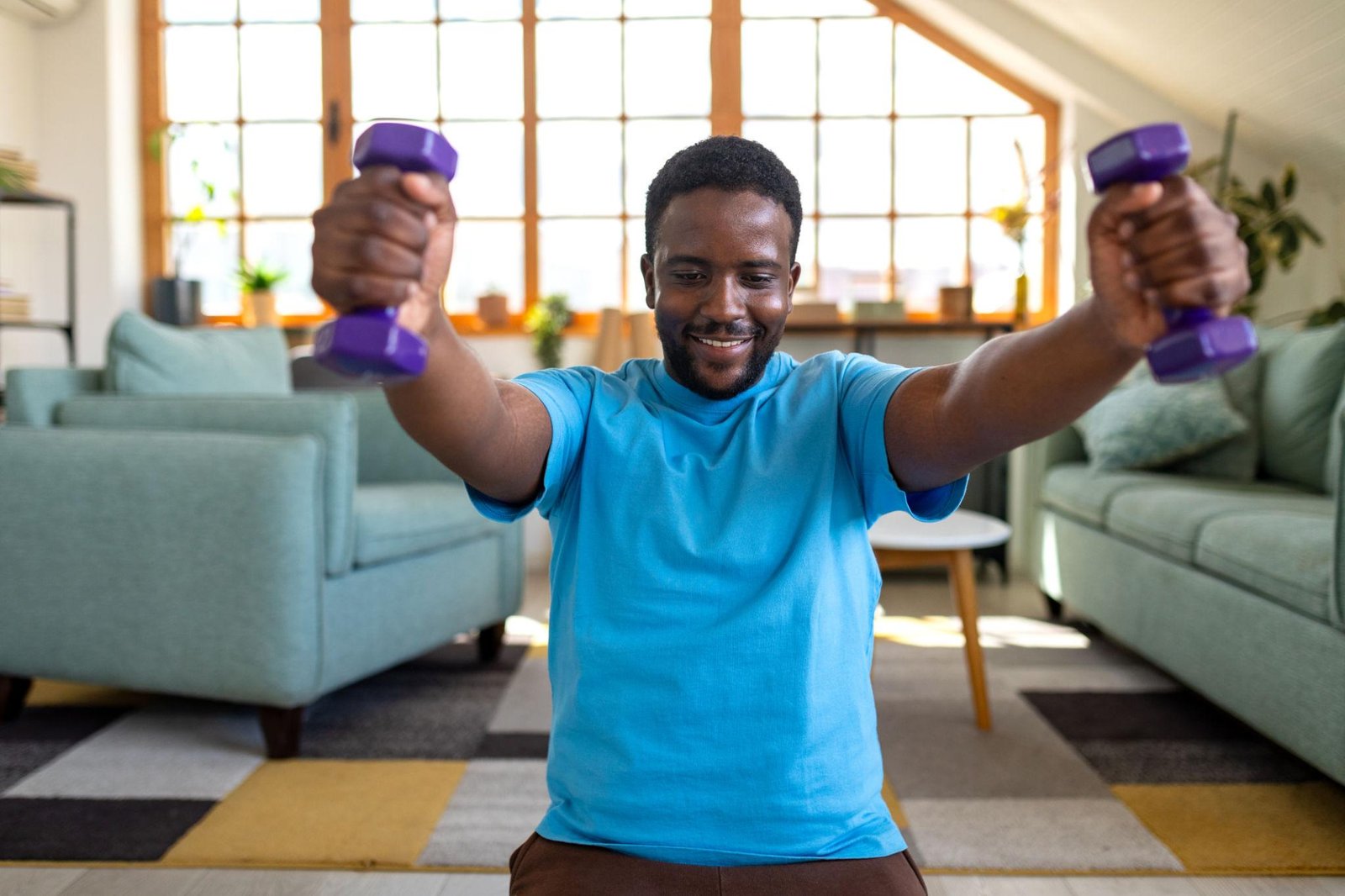
Getting fit doesn’t necessarily mean joining an expensive gym or purchasing complicated fitness equipment. You can start your fitness journey right at home with simple exercises that improve strength, flexibility, endurance, and overall health.
Home workouts are an excellent option for beginners because they allow you to exercise at your own pace, choose a convenient schedule, and build healthy habits without feeling intimidated. Whether your goal is to lose weight, build muscle, improve cardiovascular health, or simply become more active, the right home workout routine can help you achieve your fitness goals.
The best part? Most beginner-friendly exercises require little or no equipment. A comfortable workout space, a yoga mat, and a little motivation are enough to get started.
In this guide, we’ll explore the 15 best home workouts for beginners to get fit, along with their benefits, instructions, and practical tips for building a consistent fitness routine.
Why Are Home Workouts Good for Beginners?
Before exploring the exercises, it’s important to understand why home workouts are an effective way to begin your fitness journey.
- Convenience: Exercise whenever it fits your schedule.
- Affordable: Most exercises don’t require expensive gym memberships or equipment.
- Privacy: You can exercise comfortably without worrying about other people watching.
- Flexibility: Choose exercises according to your fitness level and personal goals.
- Consistency: Having a workout routine at home makes it easier to develop long-term healthy habits.
Regular physical activity can also support better sleep, improve mood, increase energy levels, and reduce the risk of several chronic diseases.
15 Best Home Workouts for Beginners
1. Jumping Jacks
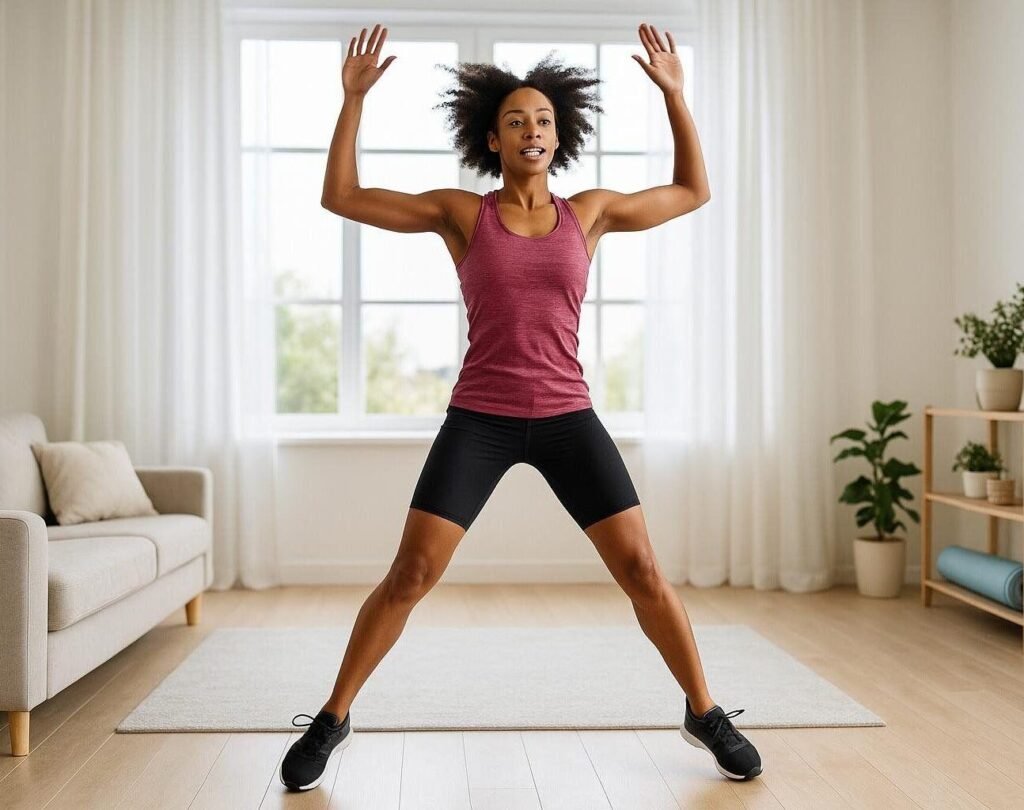
Jumping jacks are one of the easiest ways to warm up your body and increase your heart rate. This full-body cardiovascular exercise activates several muscle groups while improving coordination and endurance.
How to perform:
- Stand straight with your feet together and arms beside your body.
- Jump while spreading your feet apart.
- Raise your arms overhead simultaneously.
- Jump again to return to the starting position.
- Repeat at a comfortable pace.
Beginner recommendation: Perform 2 sets of 20 repetitions.
Benefits:
- Improves cardiovascular fitness.
- Increases heart rate.
- Warms up the muscles.
- Supports calorie expenditure.
- Improves coordination.
If jumping feels uncomfortable, perform step jacks by moving one foot sideways at a time instead.
2. Bodyweight Squats
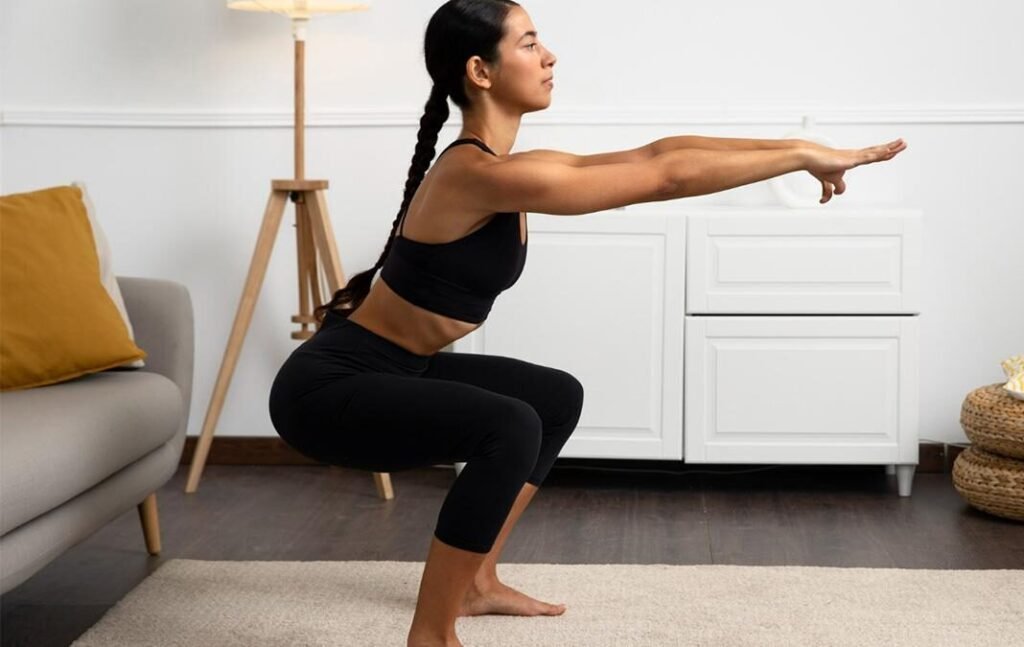
Squats are excellent for strengthening your lower body. They primarily target the quadriceps, glutes, and hamstrings while engaging your core muscles.
How to perform:
- Stand with your feet approximately shoulder-width apart.
- Keep your chest lifted and back neutral.
- Slowly bend your knees and push your hips backward.
- Lower your body as if sitting in a chair.
- Push through your feet to return to standing.
Beginner recommendation: Perform 2 sets of 10–12 repetitions.
Benefits:
- Strengthens leg muscles.
- Builds stronger glutes.
- Improves balance and mobility.
- Supports everyday movements.
- Develops lower-body strength.
Beginners can use a sturdy chair behind them as a target while learning proper squat technique.
3. Push-Ups
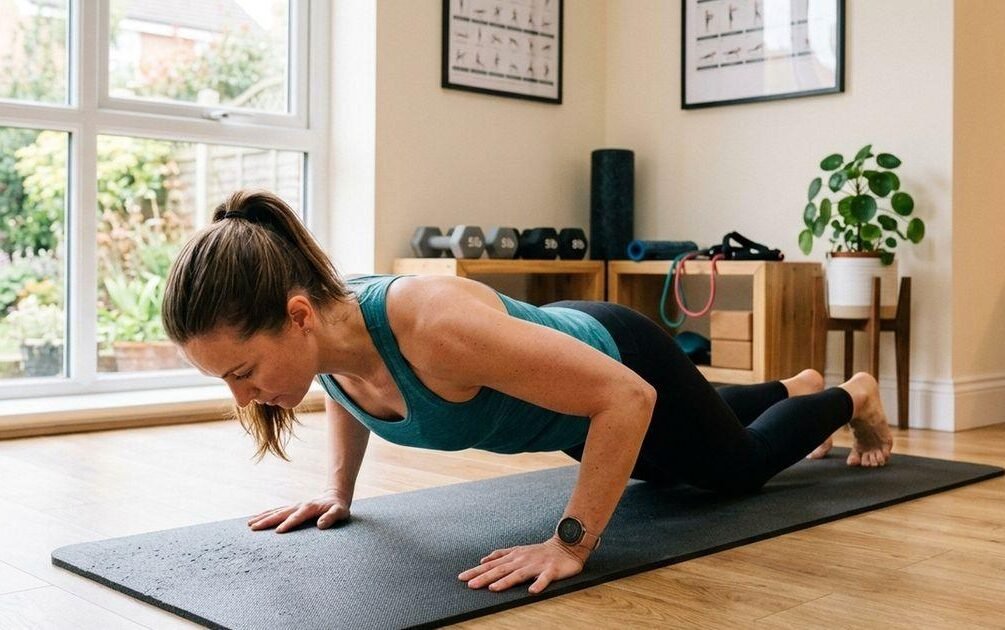
Push-ups are a classic upper-body exercise that strengthens the chest, shoulders, triceps, and core.
Traditional push-ups may be difficult for beginners, so starting with wall push-ups or knee push-ups is perfectly acceptable.
How to perform a beginner push-up:
- Place your hands slightly wider than shoulder-width apart.
- Keep your body aligned from your shoulders to your knees.
- Slowly bend your elbows.
- Lower your chest toward the floor.
- Push yourself back to the starting position.
Beginner recommendation: Perform 2 sets of 5–10 repetitions.
Benefits:
- Strengthens chest muscles.
- Develops shoulder stability.
- Builds arm strength.
- Improves core control.
- Supports upper-body fitness.
Focus on controlled movements rather than trying to complete too many repetitions.
4. Plank
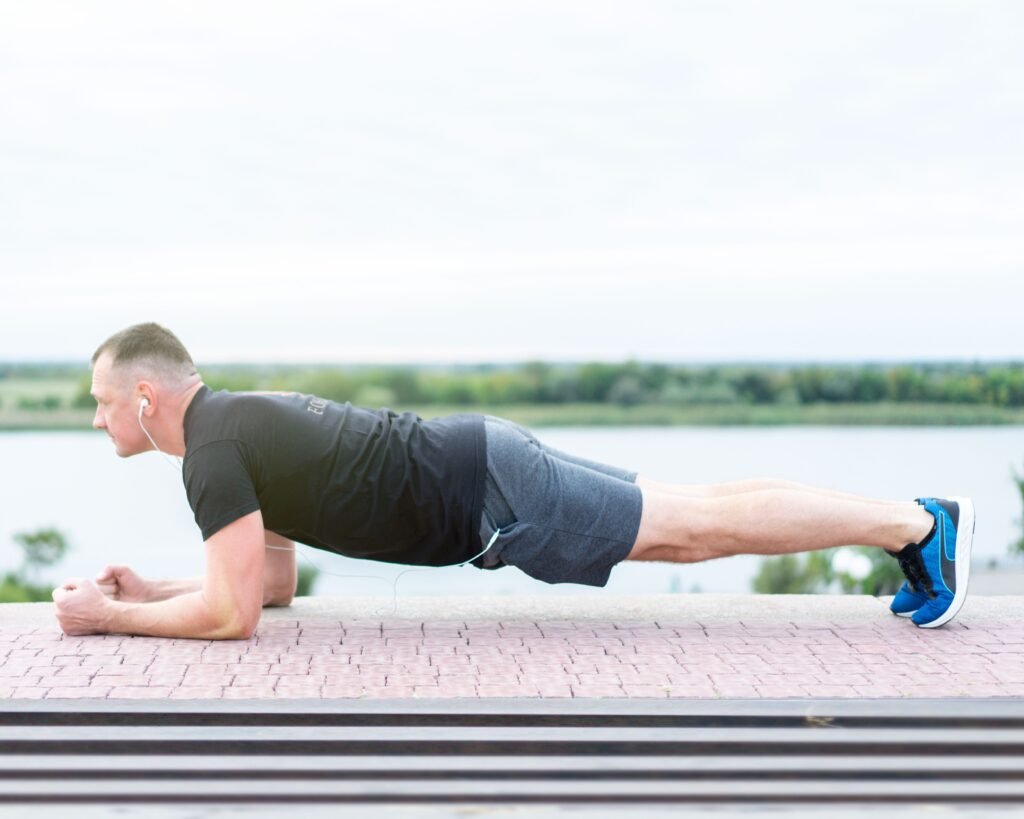
The plank is an excellent exercise for strengthening your abdominal muscles and improving core stability.
Unlike traditional abdominal exercises, planks require you to maintain a stable body position while engaging multiple muscles simultaneously.
How to perform:
- Lie face down on an exercise mat.
- Place your forearms on the floor.
- Lift your body by supporting yourself on your forearms and toes.
- Keep your back straight and abdominal muscles engaged.
- Hold the position while breathing normally.
Beginner recommendation: Hold for 15–20 seconds and repeat twice.
Benefits:
- Strengthens abdominal muscles.
- Improves core stability.
- Supports better posture.
- Develops muscular endurance.
- Helps improve body control.
Beginners can start with a knee plank to make the exercise easier.
5. Glute bridges
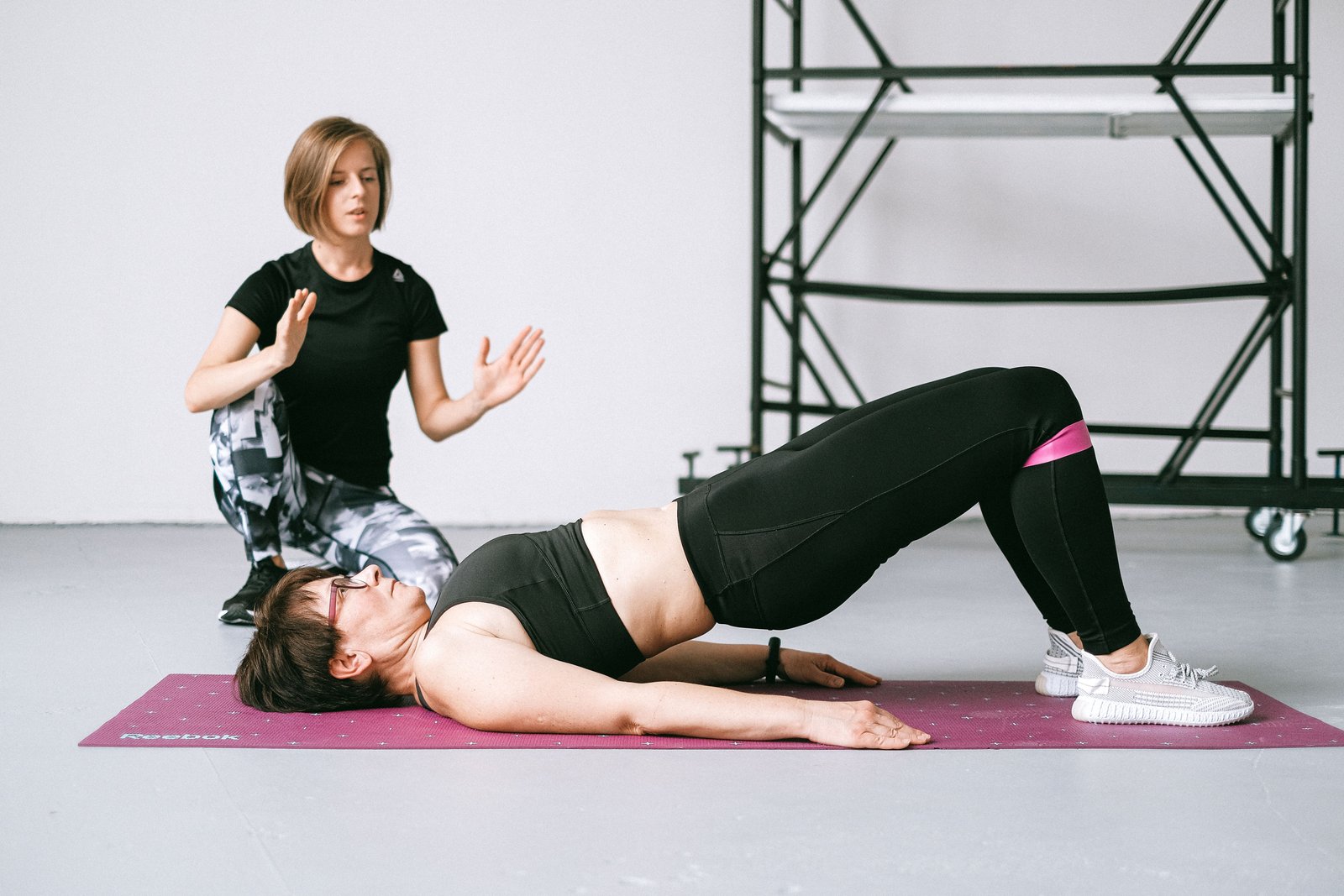
Glute bridges are simple but effective exercises for strengthening your glutes, hamstrings, and core.
They are especially useful for people who spend long hours sitting because they encourage hip movement and strengthen the muscles around the pelvis.
How to perform:
- Lie on your back with your knees bent.
- Keep your feet flat on the floor.
- Place your arms beside your body.
- Tighten your abdominal and glute muscles.
- Lift your hips until your body forms a straight line from shoulders to knees.
- Slowly lower your hips.
Beginner recommendation: Perform 2 sets of 12–15 repetitions.
Benefits:
- Strengthens glute muscles.
- Improves hip stability.
- Activates hamstrings.
- Supports lower-body strength.
- Encourages better movement patterns.
Avoid arching your lower back while lifting your hips.




Leave a Reply